

I still chuckle at the client who desired a ‘library, yoga studio, and command center’ all crammed into a 9 sqm corner — I almost suggested she shrink herself instead of the furniture! That little calamity illustrated how limitations ignite creativity, leading me to maintain a folder of effective space planning examples tailored for compact apartments. Small spaces necessitate clever choices: one smart idea can replace five cumbersome items.
1. Harness Natural Light: A Window-Forward Desk
I consistently recommend positioning the desk to take advantage of the best natural light, even if it requires a layout reassessment. A slender desk by the window brightens the area and diminishes the need for harsh ceiling lights; the tradeoff may be sacrificing a wall outlet, which can be remedied with a tidy cord channel and a power strip.
Expert tip: opt for a desk that has a shallow depth and built-in cable management — your back will thank you during those lengthy video conferences.
2. Elevated Solutions: Floor-to-Ceiling Storage
When floor space is at a premium, consider utilizing vertical storage. I’ve implemented open shelves, closed cabinets, and pegboards arranged upwards to form a functional work wall that accommodates supplies, greenery, and personal touches. This method appears intentional rather than cluttered, although pay attention to weight limits and the necessity for mounted rails for heavier items.
Budget tip: modular shelving can be gradually installed — kick things off with essentials and add components over time.
save pin
3. Foldable and Concealable: Murphy Desks and Convertible Units
Murphy desks are my ultimate tool for studio apartments. During a recent renovation, I crafted a slim cabinet that unfolds into a full workspace; when closed, it transforms into a stylish accent piece with hidden storage. The tricky part is sourcing robust hardware — flimsy hinges can diminish the quality, so it's worth investing a little more in that area.
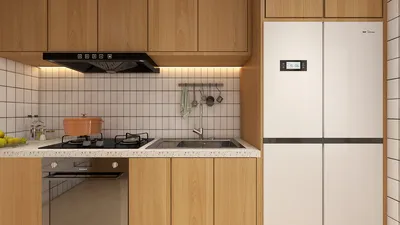
If your kitchen and workspace intersect, think about a strategic layout that shares counters and lighting for efficiency in both areas, taking inspiration from compact kitchens and smart designs.
save pin
4. Define Spaces with Rugs, Lighting, and Color
I approach tiny apartments like theatrical sets: a strategically placed rug, an elegant pendant light, and a contrasting wall hue can effectively delineate a visual ‘office’ space without needing to move walls. This affordable yet impactful strategy requires caution; overusing patterns might visually compress the space. Incorporating layered lighting (task, ambient, accent) enhances the atmosphere and keeps virtual meetings looking polished.
save pin
5. Visualize Before Commitment: Mockups and 3D Models
Prior to finalizing built-ins or an expensive desk, I often sketch and produce quick 3D renderings to evaluate sightlines and clearance. Visualizing a compact office in 3D eliminates guesswork — you'll observe potential issues, like a chair swing colliding with a door, long before making a purchase. Though the modeling may take time, a simple render can save considerable hassle and expenses in the long run.
Curious about the outcome? I frequently examine 3D render examples when discussing layouts with clients, helping them envision the space before we proceed with the build.
save pin
FAQ
Q1: How can I fit a full desk in a studio apartment?
A1: Opt for a slim, shallow desk (40–50 cm deep) or a fold-down variant. Leverage vertical storage to free floor space and prevent cluttering the desk between uses.
Q2: What’s the ideal lighting arrangement for an apartment office?
A2: Layer lighting effectively; incorporate task lighting at the desk, ambient overhead fixtures, and a warm accent lamp. Adding a dimmer switch is an affordable improvement that increases versatility.
Q3: How can I minimize noise in a compact office?
A3: Utilize soft elements—like rugs, curtains, and upholstered panels—to absorb sound. White noise machines or fans can cover up sporadic household noise without being bothersome.
Q4: Are standing desks feasible in small spaces?
A4: Absolutely, many compact sit-stand desks are designed to be shallow and fit perfectly; pick one with a modest footprint and locking height options to avoid wobbling while working standing up.
Q5: How do I ensure ergonomics in a tiny office?
A5: Focus on chair support, adjust the monitor to eye level, and keep the keyboard at elbow height. For authoritative advice on ergonomics and healthy workplace setups, see the recommendations from NIOSH: https://www.cdc.gov/niosh/topics/ergonomics/.
Q6: What’s the most budget-friendly way to create storage?
A6: Wall-mounted shelves and hooks are great, repurpose kitchen organizers for office supplies, and consider under-desk drawers. Thrifted or second-hand cabinets can be refurbished for a personalized style.
Q7: Is it possible to combine a home office with a guest bed?
A7: Definitely — look for a wall bed with a built-in desk or a sofa-bed paired with a nearby slim desk. The key is ensuring an easy conversion: quick folds and accessible bedding storage are crucial.
Q8: How do I visualize my apartment office before making furniture purchases?
A8: I create scaled layouts or use basic mockups to assess clearance and sightlines; even elementary 3D images are beneficial in avoiding errors. Reviewing examples and mockups can alleviate risks and increase confidence before spending.
save pin
Discover the magic of home design with Homestyler! This intuitive online platform offers a user-friendly design tool, stunning 3D renderings, a vast array of design projects, and insightful video tutorials. Whether you're a novice or a DIY expert, you'll find inspiration to transform your space effortlessly!
Design Now for FREE
































