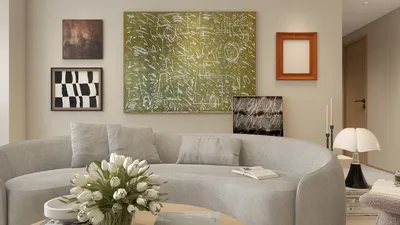


In designing pooja corners for studios and micro-apartments, prioritizing every square inch for dual functionality is essential, while ensuring that the sacredness of the space is preserved. Achieving this requires a compact and stable surface layout with thoughtful vertical design, strategic lighting, and unobstructed flow, enabling daily rituals to occur effortlessly. In smaller homes, a dedicated altar table—mindfully selected for its proportions, materials, and lighting—can be more effective than a fixed niche, offering adaptability as life evolves, which is precisely where tools like Homestyler can assist in optimizing space utilization.
Scale and comfort significantly impact the ambiance. Studies consistently highlight that the quality of the environment influences mood and concentration: colors can have profound effects on emotional well-being (for insights, refer to the color psychology overview by Verywell Mind), while lighting quality contributes to comfort and health, aligning with WELL v2 standards (aiming for 300–500 lux for general activities, and a warm 2700–3000 K light temperature for calming settings). Adhering to IES guidelines, I focus on ensuring adequate visibility around diya lighting and mantra reading, while managing glare, flicker, and shadows. For effective spatial planning, I leave a clearance of 30–36 inches in front of the table for kneeling or standing, complemented by an 18-inch lateral space to facilitate safe candle operations.
Just as surface area is crucial, effective storage solutions are imperative. Items essential for worship—such as incense, matches, bells, and oils—require discreet, cool, and dry storage options. In limited square footage scenarios, I employ depth discipline (with 12–16 inches sufficient for most murtis and frames), layered wall storage, and a strategic hierarchy: items that are sacred should occupy the top surface, while daily essentials are kept in drawers, and lower compartments are reserved for extra lamps and seasonal decorations. For those dealing with fluid apartment layouts, utilizing a room layout tool like Homestyler can be invaluable for testing clearances and sightlines before finalizing a table arrangement.
Innovative Table Designs That Maximize Space
• Wall-Mounted Folding Ledge: A 24–30 inch wide, 12–14 inch deep mounted folding table with hidden brackets. Open for daily rituals and fold away for cleaning or gatherings. Consider adding a slim drawer underneath for easy access to matches and wicks, while ensuring the backsplash behind the diyas is made of non-combustible material.
• Slim Console with Drawers: A console measuring 30–36 inches in height and 12–16 inches in depth promotes smooth circulation in corridors. Opt for a felt-lined drawer to minimize noise and protect delicate items, and include a slightly elevated rear ledge (2 inches) to prevent frames from tipping over.
• Corner Triangular Altar: Corner spaces can be transformed into functional areas. A triangular top measuring 20–24 inches can feature a central murti flanked by diyas. Above, install a vertical column of floating shelves for garlands and framed mantras. Design the front edge to be rounded for safety in tight pathways.
• Nested Stools as a Tiered Mandir: Employ two nesting tables to create flexible tiers for festivals. On regular days, tuck the bottom table away; during pooja, bring it forward for offerings while keeping the main surface free for lamps.
• Window-Sill Extension: If your window sill has depth, customize an 8–10 inch extension with a low guard rail to create an elegant altar. Make use of UV-filtering sheer curtains and avoid placing any flammable materials within 12 inches of the flame.
Proportion and Dimensions Matter
Maintaining depth discipline is vital for a tranquil environment. Most idols fit comfortably within a depth of 10–12 inches; however, larger bronzes or framed artworks may require 14–16 inches. To ensure stability, aim for a visual ratio of 1:1.6 width to height for the main setup, and add one taller element (like a bell or lamp) to introduce rhythm without overcrowding. For kneeling rituals, a table height of 24–26 inches is ideal; for standing, a height of 30–34 inches alleviates the need to stoop. It’s crucial to ensure the top can support adequate weight—especially for wall-mounted pieces, verifying the anchoring capacity is essential against the combined weight of icons and lamps.
Illumination: Warmth, Safety, and Ritual Perspective
I layer three different light sources: a flame (diya) serves as the centerpiece; a low-glare, warm LED strip (2700–3000 K) positioned beneath a shelf lights up icons; and a dimmable ambient ceiling light completes the setup. I follow WELL v2 recommendations, aiming for task lighting within the range of 300–500 lux, using diffusers to temper glare and prioritizing circadian comfort by avoiding blue-heavy lights in the evening. It is advisable to place non-combustible trays beneath diyas, ensure 6–8 inches of clearance above flames, and keep wires organized and away from heat.
Selecting Materials that Honor Tradition and Space Limitations
Opt for materials that represent purity while being easy to maintain: solid wooden tops treated with natural oils, stone or quartz trivets for safety with lamps, and brushed brass elements that provide a warm ambiance. In humid regions, it’s pertinent to avoid thin veneer edges near flames and choose hardwood edging or rounded stone. For sustainability, seek out FSC-certified woods and low-VOC finishes. Additionally, to minimize noise in echo-prone spaces, incorporating a small wool rug or felt panels behind the table can absorb sounds from bells and soften the overall auditory landscape.
Harnessing Color Psychology for a Calm Atmosphere
In confined spaces, color can either be an overwhelming factor or a soothing element. Utilizing soft neutrals with warm undertones—such as ivory, sand, or muted saffron—creates a visually subtle altar that respects traditions. According to insights from Verywell Mind’s color psychology perspectives, warm hues can foster comfort and vitality, while cooler shades promote tranquility and concentration; I often apply a warm neutral backdrop enriched by a single accent (like marigold cloth or deep vermilion thread) to maintain focus on the ritual without causing visual distractions.
Strategic Layout Approaches
• Vertical Shelving: Install one shelf, 10–12 inches deep, above the table for secondary icons; a second, slimmer shelf of 6–8 inches can be added above for flowers and bells, ensuring 12 inches of vertical space between shelves to prevent heat accumulation near diyas.
• Concealed Cable Path: Create a routed channel at the back for LED wiring; use a clip rail to discreetly hold incense lighters and scissors out of sight.
• Ritual Triangle: Position the main murti centrally, place the diya to the forward-right, and position incense to the forward-left to keep smoke away from photographs, thus minimizing soot on the background.
• Visibility Considerations: Ensure that the altar is perceived as a cohesive vignette rather than clutter when viewed from entryways or seating; tools like Homestyler can be invaluable for visualizing angles before committing to a customized table.
Strategic Placement and Flow in Compact Residences
If an entirely separate room for worship isn't an option, create a serene nook in a quiet corner of your living room or bedroom, choosing locations away from heavy traffic. Maintain a clearance of at least 30 inches in front for kneeling or standing. Avoid placements directly above or beside return air vents to minimize flicker and smoke drift. In open-concept areas, consider a low screen or plant to gently delineate the worship zone without obstructing airflow.
Focus on Safety and Upkeep
Safety concerns mainly revolve around heat and soot. Use stone or metal trays underneath lamps, ensuring flammable decor (like fabrics or dry garlands) remains 12 inches away from flames. Employ a snuffer instead of blowing to extinguish flames to avoid splattering hot oils. Clean surfaces weekly with a mild, non-acidic cleanser, and polish brass components monthly. Store oils upright in a cool drawer while lining with a washable mat; if camphor is used, assign a metal dish to keep it on the lower level for accessibility.
Adapting for Festival Flexibility
Design your altar with flexibility for festivals—such as Diwali, Navratri, or Ganesh Chaturthi—by incorporating a pull-out shelf (10 inches) or a nested additional table. Maintain a foldable backdrop panel wrapped in cotton for quick assembly; attach it using concealed magnets. Organize seasonal pieces in labeled storage containers to facilitate a peaceful setup and take-down process.
Navigating Space Constraints in Micro Apartments
When dealing with severely limited space, a shallow niche within a bookshelf or the end panel of a wardrobe can serve as an ideal setting for a compact altar. A cabinet, 10–12 inches deep, with a flip-down door that doubles as a table can be created, incorporating soft-close hinges and an internal LED strip. If you're looking to refresh your apartment's overall design, utilizing a room design visualization tool like Homestyler can be beneficial for simulating pathways, light, and sightlines before making any commitments.
Practical Checklist for Real-World Applications
• Ensure table depth does not exceed 12–16 inches unless a specific idol requires additional space.
• Maintain a clear floor area of 30–36 inches in depth and 18 inches laterally.
• Utilize warm LED lights (2700–3000 K); aim for approximately 300–500 lux for task lighting.
• Employ a non-combustible tray beneath flames; ensure 6–8 inches of clear space is maintained above.
• Include a drawer for daily essentials; establish separate storage for oils and candles.
• Feature one accent color set against a calming neutral background.
• Organize cable management and employ diffusers to control glare effectively.
• Ensure an expansion plan for festivals (including pull-out or nesting options).
Resources for Informed Decision-Making
I align my lighting and wellness choices with established guidelines to ensure comfort and safety. The WELL v2 framework advocates for balanced illumination and glare management to promote occupant well-being, while IES standards provide insights into task visibility and safe lighting practices. For guidance on emotional impact through color, Verywell Mind’s color psychology resource offers a succinct overview.
Frequently Asked Questions
For rituals performed while kneeling, a height of 24–26 inches is conducive to comfort; for standing, 30–34 inches is ideal to prevent discomfort. If multiple family members partake, focus on the most frequently used height and provide a low stool for kneeling.
Most requirements can be addressed at a depth of 12–14 inches, reserving 16 inches for larger idols or framed pieces. Shallower depths enhance circulation and facilitate cleaning.
Layering includes a warm LED strip (2700–3000 K) beneath a shelf for illuminating icons, a dimmable ambient light source, and the diya for focal warmth. Aim for about 300–500 lux on the altar's surface, utilizing diffusers to mitigate glare.
Maintain a stone or metal tray beneath flames, ensuring 6–8 inches of clearance overhead, keeping fabric and paper 12 inches away, and positioning lamps at the front for optimal airflow. Use a snuffer to extinguish flames and avoid splattering.
Select solid wood surfaces with oil treatments, and utilize quartz or stone trivets for heat resistance along with brass accents for durability. Avoid utilizing thin veneers near flames. Opt for low-VOC finishes and seek FSC-certified wood wherever possible for ecological responsibility.
Incorporate warm neutrals (like ivory or sand) as a foundation, complemented by a singular accent such as saffron or marigold to create a balanced atmosphere. Warm colors provide comfort and concentration without visually constricting the space.
Integrating a drawer for daily items along with a slim cabinet for oils and candles is advisable. Consider folding doors that can be transformed into functional surfaces during festival times.
Yes, carve out a serene corner away from TV glare and busyness. Ensure the area maintains a clear space of 30–36 inches directly in front. A low divider or potted plant can naturally delineate the sacred area.
Position the incense to the forward-left to redirect smoke away from photographs and wall surfaces. Utilizing low-smoke varieties and ensuring proper ventilation can also help manage dispersal; avoid locations near HVAC returns.
Establish a visual hierarchy by placing icons and lamps on the top level while using a pull-out or nested surface for offerings; limit decorative items to a single accent piece to prevent clutter.
Yes, provided it is securely anchored to the wall using appropriate brackets, and the combined weight of icons and accessories does not exceed the hardware's rated capacity. Always check wall type and utilize suitable anchors accordingly.
Utilize a nested table or pull-out shelf to accommodate temporary expansions. Store seasonal items in labeled boxes within the lower cabinet for a streamlined and efficient setup.
Plan for a minimum of 30 inches; 36 inches offers added comfort if spatial conditions allow. Maintain 18 inches of lateral space for safe movement.
Consider adding a small wool rug, felt panels, or soft backdrops to absorb sound. Drawer liners can also help minimize noise generated by bells and utensils.
Certainly, reinterpret a portion of your bookshelf or a wardrobe as a 10–12 inch deep altar with a hinged, fold-down door and integrated lighting. This structure remains concealed when not in use, coming to life during rituals.
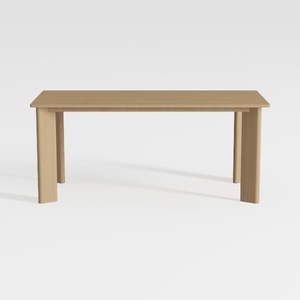

Minimalist Solid Oak Dining Table 3D Model
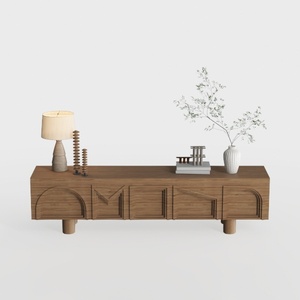
Minimalist Carved Solid Wood TV Stand Console Table 3D Model
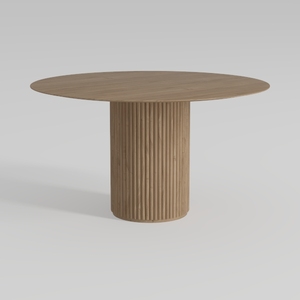
Minimalist Solid Oak Fluted Round Dining Table 3D Model
Homestyler is your go-to online home design platform! With its user-friendly design tool, stunning 3D renderings, and a wealth of design projects and DIY video tutorials, you'll effortlessly create and inspire your dream space. Start designing today and transform your home!
Design jetzt kostenlos
































