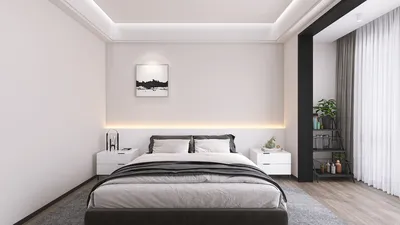


A small footprint doesn’t have to restrict your productivity. By selecting an appropriate desk and optimizing your layout, even a compact space of 36–60 square feet can transform into an effective home office. My experience shows that productivity is driven by factors such as ergonomics, lighting, and storage—equally as important as aesthetic appeal. Research, like Gensler’s U.S. Workplace Survey, indicates that focused work is crucial for performance, with dedicated and organized settings significantly enhancing it. Furthermore, Steelcase research highlights that the right posture support and task fit play a critical role in sustaining concentration. A strategically placed, compact desk with the right chair and lighting often outperforms a larger, poorly designed workspace. Incorporating tools like Homestyler can aid in visualizing such designs.
Making evidence-based adjustments can lead to significant improvements. The WELL v2 Light concept suggests targets for illuminance and glare control, which are vital for health; aligning this with IES task-lighting directions, I aim for 300–500 lux at the workspace for screen-related tasks. Using a color temperature of 3000–4000K helps minimize eye strain. On the psychological front, light shades of blue and green are associated with calmness and focus, as pointed out in color psychology resources, which I implement with subtle accents in finishes or wall colors instead of overwhelming a small area. For comprehensive ergonomic and setup guidelines, resources from Herman Miller and Steelcase are incredibly useful.
Every inch in a small office matters, which means the design of the desk, vertical storage, and circulation spaces are essential considerations. I recommend a minimum of 30–36 inches for chair pull-back whenever feasible and maintain walkways at least 28–30 inches wide in tight spaces. For layouts, especially in compact studios, utilizing a room layout tool, like Homestyler, helps simulate adjacency, viewing angles, and reach zones to eliminate uncertainty while planning cable routes, monitor arms, and door clearance before making any purchasing decisions.
Floating, Wall-Mounted Desks for Micro Nooks
When floor space is limited, a wall-mounted writing desk or a fold-down secretary can create more circulation. I prefer designs that measure 30 inches wide and 18–20 inches deep for laptops, or up to 36 by 20 inches for a compact monitor. These designs often incorporate concealed cable channels, and under-shelf LED lighting (3000–3500K) helps reduce glare. Pair these with a task chair that features a low-profile caster base, allowing it to slide under the desk and maintain a knee clearance of around 24 inches in width and 18–20 inches in depth.
L-Shaped Corners That Work Like Built-Ins
L-shaped desks can unlock previously unusable areas and provide dual-surface functions—one side for your monitor and the other for writing or sketching. My preference is for asymmetric L shapes when one side can accommodate a printer or filing areas. Maintain the main work surface depth at 24 inches to comfortably fit a keyboard and monitor, reducing the return depth to 18–20 inches to allow for better floor flow. If your room has an unusual bay or angled walls, a custom top over modular base cabinets achieves a polished, integrated appearance without high costs associated with full cabinetry. Before finalizing, I recommend using Homestyler's room layout tool to check for chair movement and drawer space relative to your design.
Narrow Desks for Hallway Offices
Hallways and alcoves can effectively serve as workspaces if you consider spatial flow. A 14–18 inch deep desk with a built-in cable trench keeps surfaces clear and minimizes visual bulk. I prefer under-mount keyboard trays to maximize usable depth for monitors. Installing a low-glare sconce 42–48 inches above the desktop and supplementing with a small-angle task light that achieves 300–500 lux at the work area is ideal. Select matte finishes to lessen veiling reflections in tight spaces.
Standing Desks That Truly Fit Small Rooms
Compact sit-stand desks measuring around 36–42 inches wide can support healthy habits without overwhelming a small room. Aim for a height range of 26–50 inches and consider an anti-fatigue mat only if there's sufficient circulation. Effective cable management is key—utilize a vertical spine and clamp-on power strips. Place the desk near a window to benefit from natural light, angling screens 90 degrees to the window to reduce glare while using 3500K desk lighting for consistent contrast even on overcast days.
Write-Top Workstations with Hidden Storage
Desks equipped with lift-top compartments or shallow drawers simplify organization. I recommend drawers no deeper than 3–4 inches to prevent knee obstruction, keeping frequently used items within an 18-inch reach zone while seated. Using a matte light-neutral surface (L* 70–80) maintains brightness without causing glare. If working with a laptop and portable monitor, a clamp arm and vertical dock will help conserve valuable surface area.
Window-Ledged Desks with Controlled Light
A narrow desk positioned beneath a window maximizes daylight while conserving floor space. Installing diffusing shades helps maintain a gentle vertical illuminance for the eyes. I aim for a correlated color temperature of 3000–4000K for supplementary LEDs to blend harmoniously with fluctuating natural light. For windowsill heights that are low, choose desks featuring integrated modesty panels and cable slotting to keep sightlines clear to adjacent areas.
Closet Conversions and Pocket Offices
Transforming a closet into a pocket office can contain clutter while offering psychological separation for better focus. Utilize a work surface that is 20–24 inches deep along with shallow side shelves, and run power through surface raceways. Ventilation is key—consider louvered doors or a quiet fan to prevent heat from accumulating due to equipment. I recommend painting the back wall in a low-saturation color (such as a soft green-gray or muted blue) to create a calming effect without visually shrinking the space.
Drop-Leaf and Foldaway Desks for Flex Rooms
Multipurpose rooms benefit from furniture that can be easily stored. A drop-leaf desk can compress to 12 inches deep and expand to 24 inches when needed. Wall-mounted folding models should have strong hinges and at least two concealed brackets; ensure that your wall can support these before installation. Keep a lightweight, stackable task stool or chair available to minimize setup hassle.
Desk + Shelving Hybrids to Build Vertical Capacity
When horizontal space is limited, consider vertical storage solutions. A ladder desk or shelves framed by shallow shelving (10–12 inches deep) keeps books and supplies within reach while minimizing floor space. Ensure the top shelf is above eye level, maintaining headroom, and use warm 3000–3500K LED strips that dim by 10–20% for comfortable ambient lighting.
Materials and Finishes That Keep Small Spaces Calm
In small environments, the choice of materials influences the overall tone and visual consistency. I recommend using low-sheen laminates, engineered wood, or powder-coated metal frames for their durability and easy maintenance. Limit the color palette to two main finishes along with a subtle accent to reduce perceptions of clutter. For improved acoustic comfort, felt pinboards or cork panels can absorb noise from surrounding living areas.
Ergonomics Without the Bulk
A compact desk should still prioritize ergonomic design. Ensure a minimum knee clearance width of 24 inches; a desk height of 27–29 inches suits most needs, with chair adjustment to maintain elbows around 90 degrees and feet properly supported. Incorporating a compact, adjustable monitor arm helps save space while ensuring the screen's top third aligns with or is slightly below eye level. If space prohibits a footrest, consider a shallow, angled platform that can slide under the chair when not in use.
Color Psychology for Focus in Tiny Offices
Color plays a significant role in small spaces. Soft shades of blue and blue-green can alleviate stress and enhance focus, as detailed in color psychology insights. Keep color saturation low to avoid visual fatigue; incorporate brighter colors through items like stationery or desk lamps rather than large wall areas. If the workspace is also a living area, use a neutral backdrop with a single colored wall behind the desk to provide an anchor without overwhelming the room.
Lighting Layers That Respect Scale
A multi-layered lighting approach outperforms relying solely on overhead lights. Combine a task light achieving 300–500 lux at the desktop with soft ambient lights to lessen contrast impacts. Select lampshades or diffusers to hide LED bulbs while maintaining consistent color temperature across various lighting sources. For video calls in confined spaces, introducing a fill light at 15–20% output opposite your monitor can soften shadows without overexposing the scene.
Planning Your Small Desk Layout
Before making any purchases, take measurements and visualize circulation flow. Draft plans for chair movement, door swings, and outlet locations. Experiment to see if a left- or right-handed return configuration aligns better with your workflow. For uniquely shaped spaces, a layout simulation tool like Homestyler can help you test a variety of configurations, shelf heights, and lighting placements while assessing glare angles.
FAQ
Q1. What is the minimum desk depth for a small home office?
A desk depth of 18–20 inches is suitable for laptops; however, 24 inches is recommended for those using a full keyboard and a 24–27 inch monitor. If opting for a narrower desk, adding a keyboard tray and a monitor arm can help maximize usable space.
Q2. How can I reduce eye strain at a compact desk?
Maintain 300–500 lux at the work surface with an effective task light in the 3000–4000K range. Position screens perpendicular to the windows and deploy blinds for diffusing natural light, aligning with WELL v2 and IES lighting recommendations.
Q3. Are sit-stand desks worthwhile in small spaces?
Absolutely, provided the width stays around 36–42 inches and that cable management is kept tidy. Movement fosters comfort and focus; just make sure the mat and chair stow away without impeding circulation.
Q4. What chair works best with a tiny desk?
Select a compact, adjustable task chair featuring a low-profile base and breathable mesh back. Look for adjustable lumbar support and armrests; fixed arms may clash with narrow desks, so consider armless or height-adjustable options.
Q5. How do I store equipment without crowding the desktop?
Implement vertical shelving (10–12 inches deep), utilize a clamp-on monitor arm, and consider a pegboard or rail for peripherals. Shallow drawers (3–4 inches) can provide additional storage, while a rolling pedestal can fit beneath the desk and be easily moved when needed.
Q6. What colors help small offices feel calm and focused?
Soft blues and muted blue-greens in low saturation can enhance calmness and concentration; warm neutral tones keep spaces bright without glare. Use brighter accents sparingly to avoid clutter in limited areas.
Q7. How can I improve acoustics in a small work nook?
Introduce a felt pinboard, cork panel, or small rug to absorb higher frequencies. In closets or alcoves, consider lining one panel with acoustic felt tiles to enhance sound quality. Keep noisy devices, such as printers, off the desktop and place them on padded shelves instead.
Q8. What’s the best way to light a hallway office?
Merge a narrow-beam task light for your workspace with a wall sconce for ambient light. Ensure both sources share a similar color temperature (around 3500K) and select matte finishes to minimize glare in tight passages.
Q9. Can a compact desk handle dual monitors?
Yes, a dual-arm mount can be used on a 24-inch deep surface with each monitor limited to 24–27 inches. Angle them slightly inward, centering the primary monitor while positioning the secondary monitor off to the side for optimal reach and mouse space.
Q10. How do I plan cable management in a tight setup?
Install a power strip under the desk, use a singular vertical cable spine, and navigate peripherals through a grommet or clamp channel. Label cords and keep excess slack coiled above the floor for easier cleaning.
Q11. Are fold-down desks stable enough for daily work?
Opt for models with sturdy wall brackets, strong hinges, and at least two mounting points secured into studs or solid material. Keep loads light and use a lightweight, rigid chair to reduce lateral stress on the surface.
Q12. How do I keep the space flexible for non-work hours?
Employ a drop-leaf or foldaway desk, a compact rolling file, and a covered charging station. Use a fabric panel or curtain to visually close off the office during downtime, signaling mental off-hours effectively.
Built on technology originally developed at Autodesk, Homestyler empowers anyone to design beautiful, realistic spaces in minutes. Join over 18 million users who have already discovered a smarter way to plan, visualize, and bring their dream homes to life — all from the comfort of a browser.
Minimalist Oak Fabric Upholstered Dining Bench 3D Model

Minimalist Solid Oak Wood Dining Bench 3D Model


Minimalist Solid Wood Arched Corner Bookshelf 3D Model
Discover the magic of home design with Homestyler! This intuitive online platform offers a powerful design tool, stunning 3D renderings, a plethora of design projects, and helpful DIY video tutorials. Transform your ideas into reality effortlessly and creatively, no matter your experience level!
Diseño ahora GRATIS
































