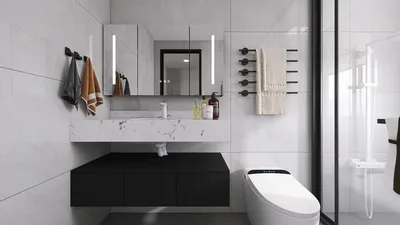


I’ve created interiors where every square inch is utilized effectively, particularly when accommodating pet spaces, including litter boxes, which can be challenging. The aim is to design a discreet, well-ventilated, and easily maintainable environment that aligns with both the cat’s habits and the flow of a compact living area. In smaller apartments, considerations such as containment, air circulation, and ergonomics are just as crucial as the overall aesthetic appeal.
Ventilation and cleanliness are essential components of a comfortable living space. According to the WELL v2 standards, maintaining high indoor environmental quality—especially regarding air and odor management—is vital for occupant comfort. Many design projects benefit from strategic exhaust or filtered airflow around pet zones. Research from Steelcase indicates that streamlined routines enhance well-being; this concept applies to home life, emphasizing reduced physical strain during cleaning tasks (for instance, easy access and upright scooping). For more details on achieving high indoor environmental quality, you can explore the WELL Building Standard resources at WELL v2.
Key Considerations for Small-Space Litter Areas
The litter area should effectively address four main aspects: odor control, acoustic privacy, visual harmony, and feline comfort. Cats tend to prefer secluded spots without excessive noise or darkness. Positioning a litter box near moderate traffic—rather than in a sealed storage space—can promote regular use while minimizing social pressure. Aim to provide a clear 28–32 inches of front access for humans, maintaining a base width of 20–24 inches for easy removal and cleaning of the box without bumping into nearby furniture.
Strategies for Ventilation, Lighting, and Odor Management
Humidity can exacerbate odor issues. Installing a micro-exhaust fan or a compact air purifier about 24–36 inches from the litter box can help mitigate ammonia smells without causing drafts. For lighting, it’s important to avoid glare since cats are sensitive to bold contrasts. Aim for soft, diffused light around 150–300 lux; this level is adequate for visibility during cleaning while creating a comfortable environment for pets. Warmer color temperatures (2700–3000K) provide a calming effect and reduce harsh visual stimuli; excessive glare may lead to avoidance behaviors. It's best to minimize the use of scented products, as regular scooping is more effective.
Effective Concealed Solutions
1) Bench-integrated cabinet: Consider designing a shallow lift-front bench along an entry wall that discreetly conceals the litter box, with an access cutout for the cat. Line the cavity with washable HDPE panels, incorporate a small mat, and use a rear perforation to facilitate airflow.
2) Under-sink niche: In a vanity with open shelving, designate the lowest compartment for the litter box, slightly elevating the floor by 1–1.5 inches to avoid water runoff during cleaning. Ensure easy access with a removable kick plate, and confirm plumbing clearances for unobstructed movement.
3) Corner wardrobe insert: Transform the bottom section of a wardrobe into a well-ventilated compartment featuring a grommeted panel to enable airflow. Magnetic doors can be beneficial for quick access. Maintaining consistent litter depth and protecting edges with silicone seams can assist with odor management.
Smart Arrangements for Compact Living Spaces
The location of the litter box affects feline behavior and overall household dynamics. Avoid placing it near noisy appliances like laundry machines or dishwashers, and steer clear of tight alcoves. Ideally, keep it a respectful distance from bedrooms to minimize nighttime odor interference, while still being conveniently located near a water source for cleaning. Tools like a room layout planner can be invaluable in visualizing spacing and traffic flow before making permanent decisions.
room layout tool
Considerations for Containment and Material Selection
Opt for a high-sided litter box (≥ 7–8 inches) for cats that dig, featuring a front entry lip of 4–5 inches for senior cats. Use durable, puncture-resistant liners and avoid materials that retain odor. For surrounding surfaces, choose HDPE or sealed marine-grade plywood for cabinets, and utilize epoxy paint or semi-gloss finishes for easy cleaning on interior panels. Incorporate silicone seams in corners for enhanced odor control, and use a ribbed mat at the exit to capture granules without discomfort for paws. Maintain a 3–4 inch buffer within the cabinet to prevent litter from nearing walls.
Acoustic Considerations
The noise generated from scooping and granules can be bothersome in small homes. To minimize sound, line cabinet interiors with thin acoustic felt on non-contact surfaces. Additionally, ensure that any door hardware is soft-close. If the litter box is near a corridor, a fabric runner can help dampen noise and trap loose litter.
Ergonomic Solutions and Maintenance Workflow
Adjust the box height so that cleaning occurs at mid-thigh level for most adults, which can reduce back strain compared to floor-level options. Keep a compact caddy equipped with a scoop, deodorizer, bags, and wipes within easy reach. It’s essential to plan a straight path from the box to the trash without navigating any doors that require an extra hand. Following Steelcase’s principles of minimizing task friction, aim for fewer movements, less bending, and consistent routines.
Understanding Behavioral Cues and Color Dynamics
Cats react positively to consistent routines and low-stress environments. Neutral and warm colors (like beige and soft taupe) contribute to a calming atmosphere, whereas high-contrast designs should be avoided. Bright reds can increase feline arousal. To encourage reliable use, promote gentle illumination and stable placement of the box. If a cat hesitates to enter, consider widening the entryway, reducing visual barriers, and testing slightly brighter ambient light while avoiding glare.
Strategies for Multi-Cat Households
In homes with multiple cats, aim for one litter box per cat plus one additional box, even in compact spaces. Consider vertical stacking solutions within cabinetry or utilizing a split layout: one box positioned near the hallway and one within a guest bathroom. Separate entries can help reduce territorial guarding, and it's important to ensure individual ventilation for each compartment to prevent odor build-up.
Maintaining Hygiene in a Small Footprint
A consistent weekly deep clean is essential for managing odor. Remove the box, clean the cavity with a diluted enzyme cleaner, and reset mats. Change charcoal filters every quarter and follow HEPA filter guidelines per manufacturer specifications. Ensure a consistent litter level, as cats typically prefer 2–3 inches of depth for effective digging and covering behaviors.
Common Questions
A space of roughly 20–24 inches in width and 28–32 inches of clearance in front is recommended. This allows enough room for scooping and removing the box without disrupting circulation.
While covered boxes can contain scatter, they may also trap odors. If you opt for a covered design, incorporate passive ventilation and maintain a more frequent cleaning schedule, as many cats may prefer an open setup due to increased airflow.
Maintain ambient lighting around 150–300 lux with a warm color temperature (2700–3000K). Soft and diffuse lighting can help minimize glare and facilitates inspection during cleaning.
Avoid placing the box in tight closets lacking ventilation, next to noisy appliances, or in direct sunlight. Opt for a semi-private location that encourages airflow and allows for easy human access.
Regular scooping, proper ventilation techniques, and utilizing charcoal filtration can significantly reduce odors. A small air purifier positioned 24–36 inches away from the litter box can effectively lessen ammonia smells without producing drafts.
Useful materials include HDPE panels, sealed marine-grade plywood, and epoxy-coated interiors, along with silicone-sealed corners. These materials resist moisture and are easy to clean.
Raise the box to a mid-thigh level, keep maintenance tools in a nearby caddy, and ensure a direct path to trash receptacles. Avoid layouts that necessitate awkward twisting or kneeling.
For households with several cats, plan for one box per cat plus an extra—aim for three in total. If space is limited, utilize two boxes in separate areas and a third within a ventilated cabinet to alleviate territorial challenges.
Yes, if you ensure surface protection and adequate ventilation. Elevate the storage area slightly to prevent water runoff and incorporate a removable kick plate for easy cleaning access.
Utilizing soft-close doors, felt lining on cabinet interiors, and fabric runners can significantly reduce clattering sounds. Minimizing metal-on-metal contact with scoops and cleaning tools will also help.
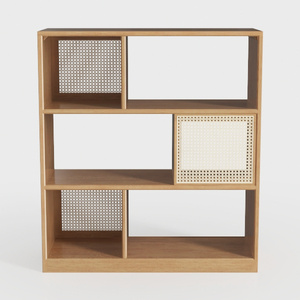
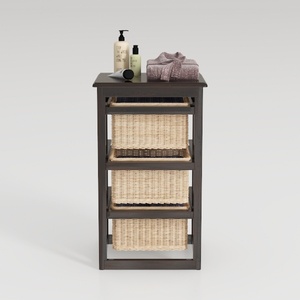

Homestyler is your go-to online home design platform! With its user-friendly design tool, stunning 3D renderings, and a wealth of DIY video tutorials, you'll effortlessly create and visualize your dream spaces—perfect for anyone looking to refresh their home decor!
立即免费设计
































