

Incorporating glass ceilings into living rooms can transform an average space into a bright and airy environment—given the right management of daylight, heat gain, sound comfort, and structural integrity. I perceive glass ceilings through a triad lens of light quality, human comfort, and architectural rhythm. Not only does daylight enhance our mood, but research by Gensler correlates natural light access with improved user satisfaction and well-being. The WELL v2 Light framework emphasizes the significance of glare reduction, circadian rhythm support, and visual comfort, which are essential for creating healthy indoor environments. Prioritize structural efficiency and performance before curating aesthetics, utilizing tools like Homestyler for effective design visualization.
For context, the WELL v2 guidelines advocate for glare control and synchronization of light exposure with our circadian rhythms; effective strategies include adjusting visible transmittance, implementing shading solutions, and balancing reflectivity. According to IES recommendations, task lighting in living spaces should achieve approximately 300–500 lux for daily activities, with increased levels designated for reading areas. These benchmarks inform my decisions on glazing dimensions, coating choices, and the layering of supplementary light sources. If you are reimagining your living room layout to accommodate a glass feature, tools like an interior layout planner or room layout tool can assist in visualizing furniture arrangements and glare pathways before making a commitment.
Understanding the Purpose of a Glass Ceiling
My first step involves determining whether the ceiling will flood the room with ambient light, highlight a specific area, or frame outdoor views. Each goal translates into varied geometrical configurations: linear skylights for uniform light distribution, modular squares to establish rhythm, or a central lantern to introduce a dramatic focal point. A reliable ratio I recommend is maintaining a glazing-to-floor-area proportion of 8–12% for standard living areas in temperate climates, increasing to 15–18% only when effective shading and low solar heat gain coefficients (SHGC ≤ 0.3) are used to manage glare and thermal comfort effectively.
Exploring Different Glass Ceiling Concepts
A long, narrow slot along one side of the ceiling permits a gentle shower of daylight. This design minimizes hot spots and promotes visual stability, provided that the slot width remains approximately 1/8–1/6 of the room’s total width. Pair this with matte white ceiling surfaces (LRV 80+) to enhance light diffusion. Additionally, incorporating motorized shades or electrochromic glass allows for midday brightness adjustment.
A raised lantern situated above the central living area adds vertical lift and a unique focal point. I recommend keeping the lantern's footprint within the room’s central third to ensure an even distribution of light. Incorporating slender mullions can help segment the glazing effectively, providing a controlled brightness and classic architectural rhythm.
Utilizing smaller panes or light wells can enhance visual organization and reduce glare by creating smaller, more manageable patches of brightness in the sky view. This approach is ideal for minimalist interiors where clean lines dominate the design. Using laminated, low-iron glass not only promotes clarity but also aids in sound insulation, and integrating built-in blinds within selected modules allows for added versatility.
Instead of implementing a full glass ceiling, one could strategically introduce two to four light wells that align with key seating areas. This design choice maintains thermal efficiency and sound insulation while emphasizing conversation zones or art wall displays. Angling the well walls with high-reflectance paint enhances light diffusion.
Material Selection and Performance Details
Choosing the right glass is pivotal for ensuring comfort. I typically opt for double or triple-glazed units with low-e coatings, warm-edge spacers, and laminated interlayers to promote sound absorption. For living rooms receiving intense sunlight, targeting a SHGC of around 0.2–0.3 and a visible transmittance (Vt) of approximately 0.5–0.65 is ideal. In contrast, for cooler and overcast regions, a marginally higher Vt can enhance winter moods without overwhelming light levels. The frames should be constructed of thermally broken aluminum or wood-clad materials to prevent condensation issues. Always consider a maintenance plan, integrating features like tilt-in cleaning access, concealed gutters, and weep holes for storm readiness.
Managing Glare and Supporting Circadian Rhythms
Daylight can sometimes be counterproductive. Glare tends to escalate when large sky views and reflective surfaces are present. I minimize specular finishes on adjacent ceilings and employ matte paints (sheen ≤ eggshell) to reduce veiling reflections. For the evening ambiance, I incorporate dimmable LEDs at 2700–3000K for a calming effect, complementing this with a 3500–4000K task lighting layer in reading corners. Such a combination aligns with circadian rhythm principles—brighter cooler lighting during the day and warmer tones at night—consistent with the WELL v2 Light objectives without compromising the inviting atmosphere of a living room.
Addressing Thermal and Acoustic Challenges
Extensive glass installations can invite unwanted heat and external noise. Laminated glass featuring acoustic PVB can attenuate outside noise levels by 3–5 dB when compared to standard panes. Deep peripheral reveals and insulated curbing details serve to minimize conduction and drafts. For warmer climates, integrating external shading solutions such as louvers or pergola fins can intercept solar gain before it interacts with the glass; although internal shades can help, they may trap heat within the space.
Ensuring Structural Integrity and Safety
Installing a glass ceiling necessitates meticulous planning of load paths. I collaborate with an engineer during the early phases to align joists or steel structures with mullion grids, ensuring spans are efficient and deflection is kept to a minimum for preserving seal integrity. All overhead glass elements must be laminated for fall protection; using combinations of tempered-laminated glass is standard practice. If the space is situated under a canopy of trees, it’s crucial to specify impact-rated glazing and install leaf guards at the gutters.
Understanding Proportions, Rhythm, and Color Psychology
Ceilings influence emotions just as much as they control light. Cooler colors—subtle grays or bluish whites—surrounding the light aperture can enhance a serene and expansive ambiance. Insights from Verywell Mind suggest that blues and greens foster tranquility and concentration; hence, in living spaces, I typically balance cool ceilings with warm wood or textiles to maintain an inviting atmosphere. Ensuring that mullion lines are aligned with furniture orientations can help reduce visual chaos. A 60/30/10 color rule (base/accent/pop) continues to apply, especially when utilizing the sky as your accent.
Planning Furniture Arrangements Beneath a Glass Ceiling
Position sofas so that primary sightlines turn away from harsh midday glare, generally perpendicular to the predominant sunlight path. If a reading armchair is located beneath a brighter patch, provide an adjustable task lamp to accommodate the 300–500 lux requirement after sunset. Choosing low-reflectance materials for surfaces can help avoid distracting glare. Before finalizing your arrangement, it’s wise to utilize a layout simulation tool to explore circulation and shadow patterns throughout the day, integrating Homestyler for a comprehensive layout experience.
Integrating Lighting Solutions
Daylight benefits from complementary evening lighting. I typically recess linear LED fixtures along the skylight edge to softly illuminate the ceiling at night, restoring the overall sense of space. Adding a dimmable central pendant or clustered lights above the coffee table can help create a sense of hierarchy. Maintaining a CRI of 90+ ensures accurate color rendering, and planning separate circuits for ambient, accent, and task lighting can help tailor moods for hosting, reading, or watching TV.
Material Choices and Sustainability Considerations
Combine glass with natural materials that manage light effectively, such as quarter-sawn oak, matte limewash, and textured plaster. Opt for FSC-certified wood and low-VOC finishes; high-reflectance paints can lessen electric lighting demands, promoting energy savings. When selecting glazing materials, target low-e coatings suited for your climate and consider argon or krypton gas fills. Choosing durable, repairable frames is advisable for minimizing lifecycle impacts versus opting for short-lived systems.
Current Trends in Modern Aesthetics
- Implementing sleek black, ultra-slim mullions creates a striking grid effect across a neutral space.
- Using white frames with rounded internal corners fosters a softer, more organic aesthetic.
- Integrating bronze or warm metallic accents to complement leather and natural stone finishes.
- Conceal blinds flush with the skylight edge for a tidy ceiling line when shades are open.
Budgeting and Project Phasing
Anticipate that structural work, waterproofing, and custom glazing will take a significant portion of the budget. I recommend phasing projects, beginning with ensuring roof robustness and drainage, followed by structural work, glazing installation, and finally, interior finishes and shading solutions. For those on a tighter budget, consider starting with light wells instead of a full ceiling; this can yield 70–80% of the desired effect while minimizing thermal load and overall costs.
Recognizing Common Mistakes
- Exceedingly large apertures without adequate shading may lead to glare and excessive heat.
- Reflective ceiling paints can exaggerate unwanted veiling reflections.
- Overlooking acoustic layering; combining glass with hard flooring can create an echoing space, which can be softened with rugs and fabric panels.
- Installing frames without thermal breaks can result in condensation streaks.
Frequently Asked Questions
For living rooms in temperate climates, begin with a glass coverage of 8–12% of the room’s floor space, increasing only if the glazing is low SHGC with effective shading.
Select low-e double or triple glazing with a SHGC between 0.2 and 0.3 for areas with high sunlight, aiming for a visible transmittance around 0.5–0.65 and laminated interlayers for sound control.
Utilize matte textures on ceilings and walls, incorporate controllable shading options, and arrange seating away from direct sunlight paths. Layer ambient and task lighting for balance.
Laminated glass featuring acoustic PVB coupled with insulated curbs and soft furnishings can significantly reduce sounds from rain. Smaller panel configurations may also help alleviate noise issues.
Yes, by implementing exterior shading (such as fins, louvers, or pergolas), utilizing low SHGC coatings, and integrating ventilated cavities as well as purging strategies at night. Relying solely on indoor shades is insufficient.
Establish points for safe access, incorporate gutters and weep systems, utilize durable seals, and plan seasonal maintenance. Anti-soiling coatings can enhance durability but do not substitute for access.
Lighter, cooler tones enhance the perception of height and tranquility, while warmer materials below keep the space hospitable. Incorporate blue and green shades sparingly for peacefulness, pairing them with warmer textures.
Yes, overhead glass installations affect load distribution and deflection restrictions. It is vital for an engineer to coordinate framing and curb details to ensure proper sealing and waterproofing.
Combine adjustable ambient lighting (2700–3000K), focused task lighting (3500–4000K), and ceiling recessed fixtures to maintain spatial volume. Aim for adequate lighting levels of 300–500 lux in reading areas.
Often, light wells or a central lantern can be crafted to fit between structural joists. Full-width openings usually require extensive reframing and waterproofing upgrades.
Use climate-appropriate low-e coatings, ensure tight seals, insulated framing, and employ nighttime shading. Smaller panes typically have a reduced heat loss effect compared to large singular panels.
Utilize targeted light wells with high-reflectance walls or consider a gridded skylight kit within a limited segment. This provides vertical light effects without incurring excessive costs.
Definitely, but you should filter out harsh, direct noon sunlight using shades. Position greenery at the edges of well-lit zones to ensure they flourish without leaf burn from excessive brightness.

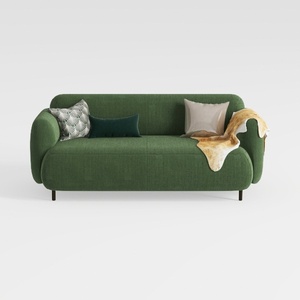

Minimalist Dark Green Fabric Loveseat Sofa with Decorative Pillows 3D Model

Modern Rattan Fabric Upholstered Loveseat Sofa 3D Model
Discover your inner designer with Homestyler! This user-friendly online platform offers a powerful design tool, stunning 3D renderings, and an array of inspiring design projects. Plus, you'll find helpful DIY video tutorials to guide you every step of the way. Transform your space effortlessly!
Desain sekarang Gratis
































