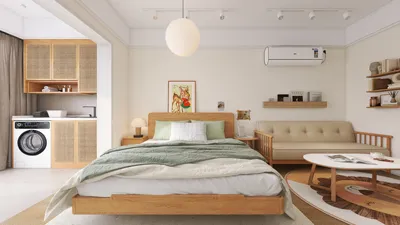


Over the last ten years, I've successfully designed and optimized numerous multi-purpose halls. The key to these effective spaces lies in a well-defined design intention: every square foot must cater to capacity, comfort, and overall experience. For large events such as weddings, community gatherings, or conferences, the distinction between a cramped area and an elegant one hinges on smart spatial ratios, versatile choices, and strategic lighting decisions.
To achieve optimal attendee comfort and performance, the WELL v2 guidelines recommend that ambient illuminance levels be around 300–500 lux in general areas. This prevents fatigue and maintains comfort for visual tasks. Moreover, effective glare control and color rendering are crucial for accurate visual perception. Research by Steelcase indicates that environments that can be adapted lead to greater user satisfaction and improved workflow. Features such as dynamic furniture and flexible layouts significantly enhance engagement. These findings serve as my foundation when customizing banquet hall plans for different functionalities like ceremonies and dining.
Capacity planning begins with understanding human factors. I utilize seating density benchmarks—banquet-style tables typically require about 10–12 square feet per person, including circulation space, while theater-style seating can go as low as 6–8 square feet per individual with intelligent aisle spacing. To ensure effective wayfinding and safety, I adhere to minimum aisle widths of 48–60 inches in high-traffic areas, discreetly integrating service paths behind screens or soft partitions. Research on ergonomics consistently demonstrates that maintaining clear, unobstructed exit routes mitigates bottlenecks and reduces stress during peak transitions, which is crucial in formal settings.
Enhance the Core Layout with Modular Zones
Create the hall with modular zones: entry check-in, pre-function mingling spaces, ceremony stage, dining area, and service corridors. These designated zones can be expanded or compressed based on the nature of the event. Employing furniture on casters, flip-top tables, and stackable chairs allows for quick transitions from theater seating to banquet setups within 30–45 minutes. If frequently planning layouts, leveraging a room layout tool like Homestyler can assist in simulating seating arrangements, aisle spacing, and sightlines prior to the event day.
Opt for Intelligent Table Shapes
Round tables promote social interaction, but they usually occupy more circulation space. For tighter capacity requirements, using rectangular tables sized 30x72 inches or 30x60 inches, organized in staggered arrangements, can achieve 10–15% greater density while still ensuring comfortable movement. For buffet setups, orient tables diagonally to minimize linear queues, enhancing service efficiency and reducing congestion.
Stage and Focal Point: Size, Sightlines, and Adaptability
Finally, a stage that is disproportionately deep wastes valuable floor space, while one that is too shallow can hinder visibility and diminish dignity. I strive for a stage depth of 8–12 feet for small-to-medium ceremonies, with a lift height of 12–18 inches, ensuring good sightlines without an intimidating presence. Keep audio-visual equipment mobile, using slim backdrop systems and lightweight trusses equipped with integrated cable management to minimize visual clutter.
Circulation Ratios That Maintain Event Flow
Banquet arrangements falter when circulation aspects are considered only as an afterthought. Typically, I allocate 20–25% of the hall space to circulation for mixed-use events, tightening this to 15–20% for dining-focused setups or 10–15% for lecture-style seating. Maintain parallel service lanes behind the seating arrangements to allow staff to operate without interrupting guests. Position service doors strategically to limit cross-traffic through the audience, using acoustic curtains for noise reduction.
Lighting: Layered, Glare-Free, and Mood-Responsive
To support various activities such as ceremonies, dinners, and dancing without the need for extensive rigging, ambient, task, and accent lighting should be layered. Following the WELL v2 standards, aim for 300–500 lux in general ambient lighting, then integrate dimmable perimeter cove lighting to accommodate mood shifts throughout the event. Utilize a color temperature of 2700–3000K for warmer social atmospheres while adjusting to 3500–4000K for presentations where alertness is crucial. To mitigate high-angle glare, implement diffusers and shielded downlights, keeping the Unified Glare Rating at a comfortable level. Additionally, ensuring a color rendering index (CRI) of 90+ guarantees that attire and decor look their best in photographs.
Acoustic Comfort Without Excessive Construction
Banquet halls generate noise from conversations, cutlery, and music. In cases where wall construction is limited, introducing acoustic soft surfaces is essential. Consider installing upholstered panels behind the stage, ceiling baffles over dance floors, and heavy curtains along long hard walls. To achieve intelligible speech, maintain a balanced reverberation time around 0.8–1.2 seconds in multi-purpose settings by incorporating a mix of absorptive and diffusive elements rather than concentrating them in specific areas.
Concealed Storage Solutions
Efficient spatial design often depends on hidden storage solutions. Create shallow storage niches (16–24 inches deep) concealed behind decorative wall panels for folded chairs and linens. Employ rolling compartments beneath stages for managing cables and small audio-visual equipment. It's vital to include storage considerations in the initial design, as retrofitting often incurs higher costs than pre-planned installations.
Material Choices: Slim Profiles and Durable Finishes
Using slim metal frames for chairs and compact aprons for tables contributes to a visually light atmosphere while ensuring efficient storage. Opt for resilient finishes such as laminate or compact HPL for buffet stations, stain-resistant performance fabrics for seating, and slip-resistant flooring in service areas. Additionally, it is important to balance reflective values: mid-tone floors (LRV 25–45) effectively control glare while assisting with spill detection.
Understanding Behavioral Patterns for Micro-Decisions
Guests tend to gravitate toward edges. Therefore, strategically place high-top tables and water stations around the perimeter to mitigate congestion in central areas. Divide the photo backdrop and gift tables into separate zones to prevent bottlenecking of guests. Additionally, for rituals, consider establishing a pre-stage holding area with clear sightlines to facilitate smooth transitions.
Effective Signage and Wayfinding for Stress-Free Navigation
Utilize consistent iconography along with contrasting color bands to clearly indicate exits, restrooms, and service corridors. Integrate low-glare, backlit signs at critical decision points rather than at arbitrary intervals; this clarity reduces confusion and allows staff to concentrate on service duties rather than directing guests.
Quick Mode Shifts: Transitioning from Ceremony to Dining
Adopt a design philosophy that allows for quick transitions. In theater arrangements, consider 20–22 inches of chair spacing with 36–42 inch cross aisles. For dining setups, utilize pre-set table carts, align with marked floor grids, and change perimeter lighting settings from 4000K to 3000K. Conduct staff briefings and practice routes before guests arrive to reduce setup time by up to 30%.
Integrating Power, Data, and AV Without Trip Hazards
Incorporate perimeter floor boxes and cable trays beneath stage edges to enhance safety. Utilizing battery-powered uplights can decrease cable runs in high-traffic areas while ensuring at least one alternative AV pathway to prevent last-minute reroutes through seating sections.
Safety and Accessibility Considerations
Ensure that accessible pathways maintain a minimum clear width of 36 inches and appropriate turning circles at key points. Include visual contrast at steps, handrails for ramps, and tactile indicators near exits; these elements are crucial not only for compliance but also for upholding dignity and ease of access.
Using Research to Enhance Design Outcomes
For comprehensive insights into workplace and event environments, Steelcase’s research library provides valuable information on creating adaptable layouts and understanding user behaviors. Additionally, the WELL v2 framework offers lighting and comfort criteria applicable to banquet settings. Engaging with these resources grounds your design decisions in measurable outcomes, ensuring a successful event space.
Frequently Asked Questions
Q1: How can I enhance seating capacity without sacrificing comfort?
A: Transition from round tables to rectangular ones organized in staggered blocks, tighten circulation to 15–20% for dining arrangements, and maintain 48–60 inch principal aisles. Incorporate stackable chairs with slim designs and ensure service paths run behind seating to minimize cross-traffic.
Q2: What are the ideal lighting levels for ceremonies and dining?
A: For general comfort, aim for 300–500 lux ambient as per WELL v2. Use warmer color temperatures of 2700–3000K for dining settings and shift to 3500–4000K during speeches. Incorporate dimmable perimeter cove lights and shielded downlights to effectively manage glare.
Q3: How can I optimize buffet service in compact spaces?
A: Establish two-sided buffet lines positioned diagonally to manage queues efficiently, add water stations along the perimeter, and maintain at least one dedicated service corridor behind seating to streamline staff movement.
Q4: What is the recommended stage size for medium-sized events?
A: Aim for a stage depth of 8–12 feet and a riser height of 12–18 inches. Keep audio-visual gear mobile and utilize slim backdrop options to maximize floor space while ensuring clear sightlines.
Q5: How do I minimize noise without extensive construction?
A: Introduce ceiling baffles above the dance area, upholstered panels behind the stage, and heavy curtains on long hard walls. Strike a balance between absorption and diffusion, aiming for a reverberation time of around 0.8–1.2 seconds.
Q6: What are the recommended standards for accessible pathways and aisle safety?
A: Ensure primary aisles are 48–60 inches wide for high traffic, maintain 36-inch clear widths for accessible paths, provide handrails for ramps, and use contrasting edges for steps, incorporating tactile indicators near exits.
Q7: How do I achieve quick transitions from ceremony to dining?
A: Utilize flip-top tables on carts, stackable chairs, and marked floor grids for alignment, while pre-arranging lighting settings. A brief staff rehearsal for routes typically enhances efficiency, reducing transition times by about 30%.
Q8: What materials facilitate durability and ease of maintenance?
A: Opt for high-grade laminate or compact HPL for buffet stations, stain-resistant fabrics for chairs, and slip-resistant flooring in service areas. Selecting mid-tone flooring can aid in glare control and detection of spills.
Q9: Are rectangular tables always better than round tables for capacity?
A: Not always, however, in venues with limited circulation, rectangular tables often provide 10–15% better density while still allowing adequate aisle widths. Round tables are ideal for fostering social interaction when space allows.
Q10: How should power and AV systems be arranged to avoid tripping hazards?
A: Install floor boxes along the perimeter, route cables under stage edges, and consider using battery-powered uplighting to limit cables in high-traffic spots. Always plan for an alternative AV path to prevent last-minute rerouting that can disrupt seating arrangements.


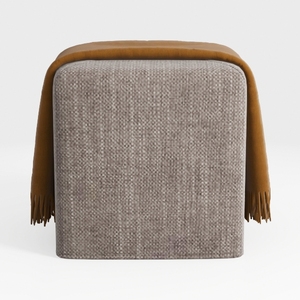
Modern Brown Leather L-shaped Sectional Sofa With Throw Pillows 3D Model
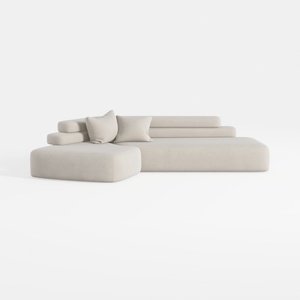
Minimalist Fabric L Shape Sectional Sofa 3D Model
Homestyler is your go-to home design platform, perfect for anyone wanting to create stunning interiors. With its user-friendly online design tool, impressive 3D renderings, and ample DIY video tutorials, you can effortlessly transform your living space, regardless of your design experience.
立即免费设计
































