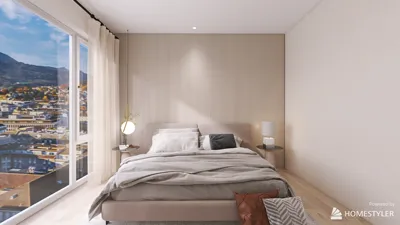


I have designed numerous micro-apartments within the 180–250 sq ft range, and the most effective layouts feel orchestrated rather than congested. In a 200 sq ft studio, every square inch serves a purpose: circulation, natural light, storage, and comfort must all operate on a strict timetable. Recent studies by Gensler indicate that individuals thrive with options and control over their surroundings, a principle that easily translates into home design. Incorporating flexible zones and movable components can greatly enhance functionality. The WELL v2 guidelines (L03-Lighting) highlight the importance of natural light and glare management for occupant comfort, aligning with IES recommendations for ideal task lighting, which suggests maintaining levels of 300–500 lux. This perspective shapes my approach to integrating layered lighting within compact spaces.
Ergonomics take precedence, especially when furniture serves multiple purposes. Research conducted by Herman Miller on seated work identifies a neutral elbow height of 25–27 inches for most tasks, alongside a hip angle of 90–110°. These metrics assist in designing fold-down desks and convertible sofas that prioritize comfort alongside creativity. Studies in color psychology (Verywell Mind) indicate that softer, muted colors can minimize visual clutter, which is particularly beneficial for spaces with walls less than 10 feet apart. These standards ensure that the following ten layouts are tailored for human comfort rather than merely serving as trendy gimmicks.
Before I start sketching, I establish a clear circulation path of 30–32 inches and strive to stack storage up to 84 inches wherever feasible. To visualize furniture footprints or flow prior to finalizing a layout, utilizing a room layout tool such as Homestyler can prevent costly errors by effectively simulating clearances, sightlines, and lighting.
1) The Diagonal Daylight Plan
Position the central sofa or sofa-bed at a 10–15° angle towards the window to create a diagonal sightline. This design draws the eye across the longest vision path, enhancing the sense of space in a 200 sq ft area. A low-profile coffee table, no taller than 14 inches, maintains an unobstructed spread of daylight. Install a task floor lamp behind the sofa at 300–500 lux, and add a dimmable wall sconce opposite to manage glare effectively.
2) Platform Bed with Hidden Zones
Elevate the sleeping space on a platform measuring 10–14 inches high, equipped with two to four deep drawers for added storage. While a queen-size platform can consume space, I recommend using a full-size mattress that allows for a 24–28 inch passing area on one side. A low headboard serves as a partial room divider (42–48 inches high), keeping the living area visually open while grounding the bed.
3) Sliding Wall Micro-Office
Install a ceiling-mounted track with a lightweight panel or fluted polycarbonate screen. When closed, it forms a 36–42 inch pocket for a fold-down desk, while opening it allows it to stack flat. Ensure the desk depth remains between 16–20 inches and chair clearance at 24 inches. A plug-in task light with 4000K LEDs provides neutral color rendering without harsh brightness.
4) Galley Kitchenette with Fold-Out Dining
Arrange appliances and base cabinets along a single wall with a minimum aisle width of 36 inches. A flip-up table measuring 30–36 inches can double as prep space; opt for rounded corners to ease navigation. Mount open shelves at a height of 54–60 inches from the floor to avoid head injuries, and implement under-cabinet lighting at 300–500 lux to ensure safety during food preparation.
5) Sofa-by-Day, Bed-by-Night—But Smarter
Select a tri-fold or click-clack sofa bed designed for a swift one-motion conversion. Position a low-pile rug measuring 5x7 feet to serve as a visual anchor, aligning its longer edge with the window wall to enhance the room's length. Employ side tables with swing arms or nesting capabilities to allow for easy stowage at night. Utilizing a breathable wall paint in warm gray or sage minimizes visual noise, creating a calm atmosphere during evening relaxation.
6) Glass Screen Sleeping Niche
A sleek black metal frame and reeded-glass screen can create a cozy sleeping nook without impediments to natural light. Design it to remain below the soffit to avoid a cramped feeling, ensuring a 2–3 inch transom gap to encourage airflow. Behind the glass, sheer curtains provide privacy and soften stark contrasts. This approach maintains access to daylight while acoustically zoning the space with softer elements.
7) Tall Storage Spine
Construct a single storage wall, 18–24 inches deep, that runs the length of the apartment. Alternate between closed cabinets and open cubbies positioned at eye level to create a visual rhythm and minimize bulkiness. Utilize 12–14 inch deep open shelves for books and plants, reserving deeper slots for wardrobe items and cleaning supplies. Uniform pulls and a consistent finish enhance the architectural feel of this setup, rather than that of typical furniture.
8) Corner Banquette that Works Overtime
An L-shaped banquette measuring 60–72 inches in the brightest corner can serve multiple functions—dining, laptop work, and accommodating guests. Specify seating at 18 inches high and 18–20 inches deep, integrating under-seat storage. A small 24–28 inch round pedestal table can be tucked in close, as the round shape allows easier movement in tight corners. Above, a dimmable pendant light set at 2700–3000K creates a warm evening ambiance without harsh glare.
9) Vertical Loft Moments without a Loft
For ceilings measuring 9 feet or higher, introduce a 12–16 inch deep high shelf band positioned 84–90 inches above the floor to store infrequently used items. Employ brackets at intervals of 24–32 inches to enhance visual symmetry. Incorporate a ladder hook point; however, keep the ladder stored in a closet to maintain a tidy space.
10) Curtain-Track Space Shifter
Ceiling-mounted ripple-fold curtains on a continuous track allow rapid reconfiguration of the room—open for a studio layout, or closed for privacy when guests arrive. Choose acoustically absorptive fabrics with an NRC of 0.4–0.6 to help manage sound. Pair this with a dimmable cove or plug-in up-light to reflect light off the ceiling, thus enhancing the perceived height of the room.
Lighting and Color: Small Space, Big Payoff
Implement three types of lighting: ambient (dimmable ceiling or cove lights), task (desk, kitchen, and reading lights), and accent (picture lights or small spotlights). Aim for a warm color temperature of 2700–3000K in the evenings for relaxation, while using 3500–4000K during working hours. Minimize the use of glossy finishes to avoid harsh reflections; satin and matte surfaces distribute light more evenly. For wall color, opt for lower-chroma shades such as warm grays, sandy beiges, pale olives, or gentle blues to help the room feel spacious. Save high-contrast accents for smaller decorative pieces that can be easily rotated seasonally.
Acoustics and Materials
Hard surfaces can amplify noise in small spaces. To improve sound absorption, layer in a flat-weave rug, lined curtains, and fabric-wrapped pinboards. Choose multi-functional furniture pieces, such as ottomans with storage, coffee tables with lift-tops, and beds featuring drawers. In kitchens, opting for compact induction cooktops can decrease heat output and enhance air quality. Select sustainable materials—like FSC-certified wood and low-VOC finishes—to maintain a healthy living environment.
Ergonomics and Clearances
Ensure primary circulation zones maintain a width of 30–32 inches and allow for at least 18 inches in narrower pathways. Keep door swings organized through pocket or sliding hardware. Wall hooks installed at 66–70 inches from the floor can prevent shoulder strain, while shelves meant for daily use should be installed between 40 and 60 inches off the ground. If working from home, select a desk depth of 16–20 inches paired with a supportive chair; align the monitor's top edge at eye level to minimize neck strain.
Quick Layout Recipe for 200 Sq Ft
- Integrate the storage into a single tall spine and a multi-purpose platform piece.
- Place the sofa on a rug, positioning shorter furniture elements near the window.
- Utilize a single flexible divider such as a curtain track, sliding panel, or glass barrier.
- Incorporate two convertible solutions: a table and a sofa/bed.
- Pre-plan electrical outputs for three-point lighting in each zone.
Common Mistakes I Avoid
- Oversized beds (queen and larger), which can disrupt circulation.
- Dark, vibrant walls that compress the space.
- An excess of small furniture pieces; fewer larger items generally appear more serene.
- Underestimating the need for task lighting; kitchens require bright, consistent illumination.
- Overlooking acoustics; introduce soft surfaces early in the design process, rather than at the end.
FAQ
Utilizing a curtain track or sliding screen can create flexible boundaries. A low headboard or open shelving can define areas while maintaining visibility and access to natural light.
A full-size bed offers a balance between comfort and mobility. If you frequently host friends, a high-quality sofa bed or a full bed with a platform drawer base is a versatile option.
Aim for lighting levels of 300–500 lux on task surfaces. Implement under-cabinet lighting in the kitchen and focused lamps for reading tasks.
Opt for lower-saturation, mid-to-light tones—such as warm grays, sandy hues, pale olives, and misty blues—to minimize visual distractions. Lighten trim and ceilings to give an illusion of increased space.
Absolutely—a fold-down desk measuring 16–20 inches deep paired with a compact task chair can easily fit into a niche sized 36–42 inches. Including a plug-in sconce can further optimize desktop space.
Condense storage into a vertical spine and a platform base to maximize wall area and create visual rhythm. Combining closed cabinets with a few open shelves can provide relief from bulk.
Add elements such as a flat-weave rug, lined curtains, and a fabric board. Soft furnishings enhance absorption and reduce echo without adding visual clutter.
Murphy beds provide a full mattress while clearing floor area during the day, yet they require secure anchoring and clearances. A high-quality sofa bed often suffices for a 200 sq ft space.
Use warm lighting tones of 2700–3000K in the evenings and 3500–4000K for focused tasks. Dimming capabilities can facilitate mood changes and reduce glare levels.
Utilize painter's tape to map out clearances or turn to an interior layout planner like Homestyler to simulate circulation paths, furniture placement, and lighting before making decisions.

Nathan James Mason Modern Farmhouse Storage

Haddockway Wooden Coat Rack Stand with 8 Hooks New

Minimalist Solid Oak Wall Mounted Floating Shelf 3D Model
Discover your home's potential with Homestyler! This user-friendly online design platform offers a fantastic design tool, stunning 3D renderings, and a wealth of DIY video tutorials. Perfect for both beginners and experienced designers, it makes creating your dream space simple and enjoyable!
Progetta ora GRATIS
































