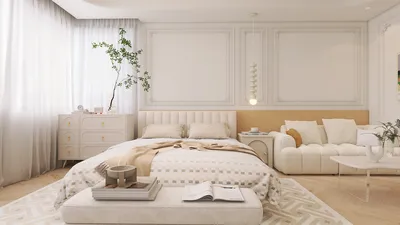


The future is continually evolving towards smaller and smarter living spaces, as current renters face challenges like clutter, noise, and the fatigue associated with inefficient micro-living solutions. I conceptualize a 50 square foot layout as a meticulous interface where each choice influences the overall function. According to the National Association of Home Builders (NAHB), the average size of new homes has stabilized while the demand for accessory and micro-unit living is surging—indicating that compact living is not just a trend but a forecasted necessity. My exploration of the 50 square foot floor plan acts as an experimental lab, transforming everyday actions into optimized signals that make long-term living feel manageable and light, aided by tools like Homestyler.
Pivot Wall Studio (Fold–Slide Interface)
Design Logic: A singular pivot wall hosts a fold-down desk, slide-out dining area, and a Murphy bed panel—converting a simple surface into a dynamic schedule-aware engine suitable for micro units.
Flow: Enter → the pivot wall is set to 'day' mode (desk facing forward) → midday dining slide-out → evening flips to sleeping; an if–else operation with minimal friction ensuring smooth transitions.
Sightlines: Low-level storage keeps the visual field uncluttered, with the pivot surface serving as the main interface; mirrors on the opposite wall enhance depth without added visual distraction.
Storage: Toe-kick drawers combined with overhead rail shelves function as a quick-access cache: essentials near the pivot point, while deeper storage options lie along the periphery.
Furniture Fit: A Murphy bed panel in twin-size, alongside an 18–20 inch deep desk and a 24 inch dining leaf; each measurement adheres to the spatial limitations of a 50 square foot area.
Verdict: This layout anticipates flexible living for five years—one wall operates as if firmware updates were applied without the need for additional space.
save pin
Perimeter Ring + Central Node
Design Logic: All functionalities stay close to the perimeter, allowing a 30–36 inch central node to remain open; this void serves as a pathway for movement rather than wasted space.
Flow: Entrance → left kitchenette section → rear bathroom space → right storage area → looping back; this circular route minimizes collisions and cognitive load.
Sightlines: Vertical zoning along the walls creates layers of information: low open shelves, mid-height closed fronts, and high translucent bins to soften the overall appearance.
Storage: The perimeter serves as a primary cache, with organized bins labeled for easy retrieval; seasonal items are stored high while daily necessities remain readily accessible.
Furniture Fit: A narrow bench (12–14 inch depth) along one side serves as both seating and staging area; a flip-up table at the center collapses to maintain the open node.
Verdict: This ring design offers tiny footprint users a clear interface hierarchy—prioritizing movement and functionality over objects—setting the stage for future adaptability.
save pin
Diagonal Sightline Studio
Design Logic: A diagonal layout from the entryway to the window enhances spatial perception, transforming 50 square feet into an elongated visual corridor rather than a confined space; it resembles well-crafted code expressed in minimal syntax.
Flow: Entry → follow the diagonal path → window perch; functions radiate off the diagonal layout like subroutines—preparation, work, relaxation—each maintaining clear connections and returns.
Sightlines: The diagonal design prevents direct blockage; open corner shelving keeps the endpoint luminous, serving as a guiding interface for orientation and calmness.
Storage: A corner tower with rotating tiers maximizes high-density storage; drawers beneath the perch provide low-latency access for daily items.
Furniture Fit: A window perch at 16–18 inch height, a corner desk fitting into 20–22 inch depth, and stackable stools contribute as modular elements.
Verdict: The diagonal layout optimizes micro-space efficiency, remaining coherent as habits develop over time, similar to a well-documented codebase.
save pin
Final Takeaway
A 50 square foot layout is not a limitation; it’s a refined interface designed for contemporary convenience, where movement, storage, and sightlines merge into a comfortable living experience. In the realm of compact studio designs and micro-apartment planning, the most effective outcomes arise from adhering to strict dimensions while maintaining flexible functional flows. Through these designs, I recognize that the future favors intentionality over excess, and my focus on meticulous spatial planning continues to reshape how my clients experience their lives, often leveraging tools like Homestyler for optimal results.
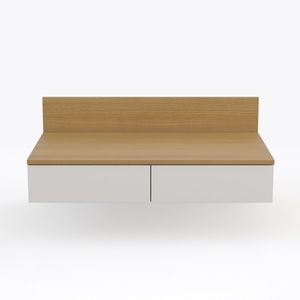
Modway EEI-6312-WHI-NAT Kinetic 49" Wall-Mount Off
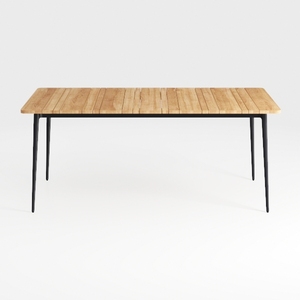
Branch Daily Desk - Functional at Home Office Desk
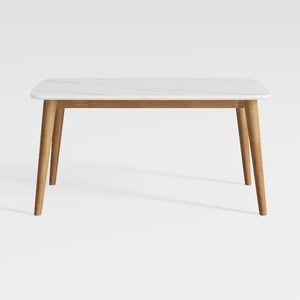

Modern Minimalist Faux Marble Solid Wood Dining Table 3D Model
Homestyler is your go-to online home design platform! With an easy-to-use design tool, stunning 3D renderings, a wealth of design projects, and helpful DIY video tutorials, you can effortlessly turn your vision into reality—ideal for both beginners and experienced designers alike!
立即免费设计
































