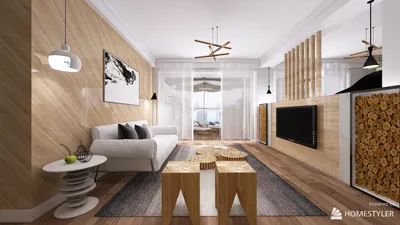


Maroon granite introduces a bold and contemporary atmosphere in your kitchen—it's not only rich and vibrant but also sophisticated. By leveraging its deep tones, I create a strong foundation in the space, layering in lighter finishes, ergonomic lighting, and various textures to ensure the kitchen remains inviting and highly functional for both cooking and entertaining. Its impressive qualities, including compressive strength and scratch resistance, make this granite an ideal choice for active households, while the maroon color infuses visual warmth without being overly dark.
When discussing kitchen design, durability must be paired with health-conscious lighting and thoughtful ergonomics. The WELL v2 framework emphasizes the importance of glare control, suitable illuminance, and circadian support within residential areas, making its guidelines an excellent reference for kitchen lighting (WELL v2 Light concept). To achieve ideal task illumination on countertops, the Illuminating Engineering Society recommends aiming for light levels between 300 and 500 lux, which should be complemented by lower ambient lighting to reduce contrast (IES standards). These standards inspire me to devise a layered lighting scheme that highlights the richness of the maroon granite without compromising on comfort.
Material Strategy: Maximizing the Impact of Maroon Granite
Using maroon granite effectively involves treating it as the standout feature rather than overwhelming the space with too many competing elements. I often counterbalance it with soft white or light taupe cabinetry, satin-brushed hardware, and matte or low-sheen finishes to lessen glare from the polished stone. For backsplashes, honed limestone or artisanal tile with subtle variations can provide tactile contrast without competing visually. If you favor a monochromatic approach, prioritize texture over color, adding fluted panels, ribbed glass, or brushed metal accents to preserve depth without adding clutter.
Color Psychology: Invoking Warmth, Appetite, and Concentration
Rich colors like maroon convey warmth, stimulate appetite, and generate social energy, which explains their popularity in dining spaces. Studies in color psychology show that reds can elevate arousal and attract attention, so I recommend softening this intensity with neutral tones on ceilings and walls while limiting the use of maroon granite to horizontal surfaces to prevent overwhelming sightlines (color psychology overview). A well-balanced color scheme is crucial for fostering a pleasant atmosphere whether one is cooking during the day or hosting guests in the evening.
Ergonomics & Workflow
In terms of layout, I focus on the kitchen work triangle—comprising the sink, stove, and refrigerator—to streamline the workflow while maintaining necessary safety buffers. For extended preparation activities, I ensure a minimum of 36 inches (914 mm) of clear countertop space on either side of the sink, and aim for aisle widths of 42 inches (1067 mm) for single-cook spaces and 48 inches (1219 mm) for those with two cooks. When considering different designs, utilizing a layout simulation tool like Homestyler can help visualize traffic patterns and work areas before finalizing decisions on stone cuts.
Light Environment: Enhancing the Depth of the Stone
The way lighting is arranged significantly influences how maroon appears—too cool might make it look dull, whereas overly warm light may give it a brownish tint. I prefer using 2700–3000K for ambient pendants and 3000–3500K for under-cabinet task lighting to accentuate the stone's rich red and black flecks without creating harsh shadows. Continuous LED strips with a high Color Rendering Index (CRI ≥90) are preferable for accurate color representation on the countertop. To minimize reflective glare on polished granite, I recommend recessed fixtures with angled beam spreads to ensure light grazes the surface instead of reflecting directly into one's eyes.
Finish Options: Polished, Honed, or Leathered
Maroon granite with a polished finish showcases vibrant clarity and intricate patterns. Conversely, a honed finish reduces reflectivity and offers a contemporary feel, while a leathered finish introduces texture that naturally conceals fingerprints. My selection of finishes often depends on available natural light and maintenance habits: darker kitchens with inadequate sunlight benefit from a honed or leathered surface to eliminate glare issues. Choosing the edge profile—whether eased, bevel, or bullnose—also impacts both aesthetic appeal and safety; eased edges tend to look sleek and are less prone to chipping than sharper designs.
Cabinetry and Metals: Harmonizing Pairings
Choosing cabinets in off-white, stone gray, or warm putty tones helps neutralize the intensity of maroon while brightening the overall space. For a modern touch, integrating flat-front designs with brushed stainless accents provides a crisp counterbalance. In warmer color schemes, the use of antique brass or aged bronze hardware highlights the red undertones without making the palette feel gaudy. It's best to avoid high-gloss finishes alongside polished granite; opting for satin or matte cabinet finishes maintains balance and visual harmony.
Backsplash & Wall Design
For those who prefer minimalism, a continuous granite backsplash measuring 4–8 inches allows for sleek lines and easy maintenance. If you're aiming for a statement wall, matte ceramic or handcrafted zellige tiles arranged in a stacked bond of 2x6 or 3x12 can provide rhythmic design elements without competing visually. If the granite slab features strong veining or speckles, pairing it with a subdued backsplash can help to avoid overwhelming the senses. Painting the walls in warm neutral tones—such as soft ivory, mushroom, or ash—creates a visual bridge between the cabinetry and the stone.
Island Design & Seating
A maroon granite island serves as the centerpiece of the kitchen. I ensure a minimum overhang of 12 inches (305 mm) for comfortable seating and discreetly include sturdy support brackets within wooden framework for cantilevers. If the granite slab has intense visuals, a waterfall edge effectively frames it like a sculptural element. To complement the palette, I select stools with upholstered seats made of performance fabric; metal frames can echo appliance finishes while maintaining sleek profiles. For comfort, I allocate 24 inches (610 mm) of depth for knee space.
Acoustic Comfort
Reflective surfaces can amplify sound, leading to an echoing ambiance. I counteract this effect using acoustic textiles such as rugs, upholstered seating, and soft window treatments which absorb higher frequencies. Even minor adjustments, like adding felt pads under bar stools and cork liners in drawers, can effectively minimize incidental noise, creating a more enjoyable conversation environment around the island.
Sustainability & Maintenance
Natural granite boasts longevity and repairable properties. For effective maintenance, honed or leathered surfaces should be sealed annually, while polished finishes require care every 12–18 months, depending on usage. It's best to choose sustainable, low-VOC sealers and pair them with pH-neutral cleaners to safeguard the stone's microstructure. Additionally, consider sourcing slabs from quarries with strong environmental practices and plan cuts mindfully to reduce waste; for instance, utilizing offcuts for shelves or small tables enhances the material's utility.
Lighting Control & Smart Integration
Dimming capabilities and scene presets are crucial for creating the right ambiance. I program task lighting to 100% during preparation, set ambient lighting to a lower 40–60% for dining, and configure accent lights to 20–30% to draw attention to the stone's natural textures. Implementing occupancy sensors near pantry areas supports energy efficiency, while independent circuits for under-cabinet lights allow precise control over the warmth of light cast on the maroon granite.
Spatial Ratios & Visual Balance
The nature of maroon is bold; thus, proportion is key. I restrict the stone's visual presence to about 30–40% of the overall finish palette in compact kitchens while allowing for up to 50% in larger, well-lit areas. Lighter finishes on vertical planes help maintain an impression of higher ceilings. Repetition—such as incorporating maroon within the island and a smaller countertop—establishes rhythm without overwhelming the fixture style.
Real-World Detailing
During installations, I request digital slab mapping prior to fabrication to ensure seamless movement across seams, particularly on L-shaped counters. I also coordinate outlet placements in the backsplash so they align with grout lines or low-contrast plates, which helps the eye focus on the stone. If stainless steel appliances are present, I mirror that finish with a streamlined stainless reveal at the island toe-kick, creating cohesion throughout the design.
Common Pitfalls and Fixes
- Over-darkening: Introduce lighter flooring or reflective backsplashes to balance out the space.
- Glare Issues: Transition from polished to honed or leathered finishes and adjust color temperatures to the range of 3000–3500K.
- Visual Clutter: Limit high-contrast designs and select a singular star material to maintain focus.
- Cold Ambiance: Incorporate warm metals and textile elements to soften both the sound and the tone of the kitchen.
FAQ
Can I use maroon granite without making the space feel dark? Yes, by balancing it with light cabinets, implementing high-CRI task lighting within the 3000–3500K range, and choosing reflective backsplashes, it's possible to manage the heaviness. Limit the granite’s presence to horizontal surfaces and apply matt finishes to walls to avoid glare.
What is the recommended lighting for countertops? Aim for 300–500 lux on the workplane for food preparation, according to industry guidance, while incorporating independent dimming options for ambient lighting. Please reference IES standards for precise illumination guidelines.
What is the impact of red in the kitchen? Reds can foster a warm and energetic atmosphere. To maintain visual balance, consider pairing maroon with neutral colors and refrain from saturating vertical surfaces. For further insights, consult color psychology resources.
Which finish is best for granite? A polished finish maximizes brightness and clarity, a honed finish minimizes glare for well-lit areas, and leathered versions conceal fingerprints while providing grip. The best choice depends on your specific lighting conditions, maintenance preferences, and overall comfort levels.
How can I optimize the kitchen workflow? Adhere to recommended aisle widths of 42–48 inches based on user needs and ensure that the kitchen work triangle remains compact. Utilize a room layout planner like Homestyler to visualize traffic flows prior to making fabrication commitments.
Does stainless steel clash with warm tones? It doesn't have to—stainless can offer a cool contrast. Enhance this by selecting brushed hardware and stainless accents within a warm-neutral cabinet palette to unify the design.
How often should I maintain granite surfaces? Typically, polished finishes require care every 12–18 months, while honed or leathered options need annual maintenance. Adjust your schedule based on usage and the type of cleaners being used, preferring low-VOC, water-based products whenever possible.
Can I use a strong-veined slab with bold patterns? Yes, but ensure adjacent surfaces remain subdued (through matte paints or plain tiles) and that under-cabinet lights offer dimming capabilities to modulate reflectivity effectively.
Which edges are suitable for durability? Eased or lightly beveled edges resist chipping and provide a comfortable feel. Save sharp square edges for spaces that see limited traffic, or where you desire clean lines without heavy use.
How can I improve sound quality in the kitchen? Introduce soft, sound-absorbent furnishings such as rugs, upholstered chairs, and fabric window treatments. Adding felt pads beneath the furniture also reduces high-frequency noise, thus facilitating easier conversation.
What cabinet colors work well with maroon granite? Soft whites, warm taupes, or muted grays establish an inviting contrast. If opting for darker cabinets, ensure your lighting is bright and consider a honed stone finish to prevent the space from feeling excessively heavy.
Can I achieve a modern look with maroon granite? Certainly! Pair it with flat-front cabinetry, slim metal hardware, and linear lighting installations. A waterfall island made of maroon granite can lend a sculptural and contemporary feel to the space.
Homestyler is your go-to online home design platform! With its easy-to-use design tool, stunning 3D renderings, a variety of design projects, and helpful video tutorials, you can effortlessly create your dream space. Get inspired and start designing today!
立即免费设计
































