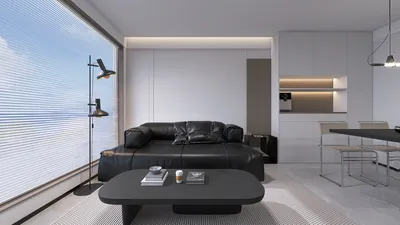


I depend on living room CAD blocks to transform initial ideas into accurate, construction-ready plans. When meticulously sourced and organized, these blocks streamline decision-making, coordinate teams, and maintain design integrity from draft to execution. Research by Steelcase shows that utilizing well-structured spatial tools can decrease repetitive planning activities by as much as 20% in standard project workflows, a finding that aligns with my own observations when utilizing standardized and tagged blocks. On a more personal level, the choice of colors influenced by layout visualization is crucial; as Verywell Mind highlights, warm colors can enhance the feeling of coziness, a concept I often explore alongside furniture arrangement guided by CAD blocks using Homestyler.
Precision is not solely about appearance; it has physiological and behavioral implications as well. The WELL v2 framework emphasizes the necessity of comfortable postures and unobstructed movement for fostering well-being. Similar findings from IFMA's planning studies often link cluttered routes to decreased satisfaction and safety. In the context of CAD design, crucial features like aisle widths, viewing distances, and functional zones need to be embedded within blocks to uphold essential ratios. This consideration becomes even more critical in compact areas—research from Gensler indicates that clear layouts enhance the perception of spaciousness and task focus, a principle I support with pre-dimensioned seating and storage blocks incorporating necessary clearances.
Effective living room blocks serve as a compact toolkit, featuring standardized scales, annotated clearances, and material specifications that carry through from initial sketches to construction documents. I predominantly keep two different libraries: one that offers photorealistic visuals for client presentations, and another that is a simplified, measurement-focused collection for technical drawings. The former aids in gaining client approval, while the latter helps avoid tolerance discrepancies. When exploring various iterations, utilizing a room layout tool like Homestyler can significantly speed up the testing of aspects such as traffic patterns, sightlines, and furniture placements.
Core Dimensions and Ratios
I begin with understanding human factors and visual ergonomics. For seating arrangements, I target circulation paths of 750–900 mm (approximately 30–36 inches) and ensure coffee table edges are 350–450 mm from seat fronts for easy reach. In terms of TV viewing, I verify the distance against the size of the display; a general guideline is to maintain a distance of 1.2–1.6 times the screen diagonal in typical living rooms, while also addressing glare through lamp positioning and window treatments. The WELL v2 Light concept advises minimizing glare discomfort; in my CAD models, I indicate lighting fixtures with shielding angles and note dimming capabilities to support adaptable ambient lighting levels.
Categories of CAD Blocks That Enhance Daily Operations
- Seating: sofas, sectionals, and lounge chairs with various footprint configurations (compact, standard, spacious). Ensure inclusion of arm clearance and reclining space.
- Tables: coffee tables, side tables, and consoles with specific leg placements and knee clearance.
- Media: low cabinets, wall-mounted units, and TV displays with marked center-line heights and guidance for cable management.
- Storage: bookshelves, credenzas, and wall cabinets detailing door swing arcs.
- Lighting: floor lamps, wall sconces, ceiling fixtures, and task lighting, annotated with approximate beam spreads.
- Rugs and spatial zoning: standard dimensions (1600×2300 mm, 2000×3000 mm, 2400×3400 mm) noted for furniture overlap targets (30–50%).
Understanding Ergonomics and Behavioral Patterns
Living rooms often function as a blend of social space, passive entertainment area, and occasional work zone. Insights from Herman Miller that focus on posture variation support the necessity for diverse seating heights and back angles to alleviate fatigue. I ensure at least one high-back chair with lumbar support and a side table is within 450 mm reach. In terms of social interaction geometry, conversational clusters should maintain a distance of 2.1–2.7 m between seating centers to allow natural voice levels without increasing volume, thus reducing the acoustic strain in rooms with hard surfaces.
Designing Lighting Layouts Utilizing CAD Blocks
Lighting blocks are essential and should incorporate lumen specifications, beam angles, and dimming options. I strive for ambient lighting levels of 150–300 lux in living spaces and up to 300–500 lux in reading areas. Following IES standards, balanced lighting layers help in minimizing glare and shadows; CAD symbols labeled with color temperature ranges (2700–3000K for warm lighting and 3000–3500K for task lighting) ensure consistency across various suppliers. I also make note of potential reflection sources—such as TV screens and shiny surfaces—and strategically place lights to avoid distracting hotspots.
Enhancing Acoustic Comfort and Material Selection
Soft furnishings help reduce reverberation in environments with hard flooring. Elements like rugs, upholstered chairs, fabric wall panels, and bookshelves serve to diffuse and absorb sound. I label my CAD blocks with the intended materials (e.g., a dense wool rug or the depth of curtain stacks) to indicate my acoustic strategy early in the design process, especially in open-plan living-dining areas. Mitigating parallel hard surfaces and varying the height of tall storage units can also help interrupt echo effects.
Incorporating Color Psychology in Blocks
Color notes embedded in blocks can assist in guiding palette choices. According to Verywell Mind's insights into color psychology, warm neutrals provide comfort, muted greens offer tranquility, and deep blues can create a formal atmosphere. I label the emotional intent behind color use—cozy, tranquil, vibrant—so that future visualizations maintain consistency, steering clear of overly intense colors in smaller spaces to avoid a constricted feel.
Maintaining Scale, Tolerance, and Documentation Discipline
I keep my master blocks in scales of 1:50 and 1:20, locking in vital dimensions. Door swings, cable pathways, and skirting overlaps are clearly defined to reduce site requests for information. Sectional sofas can lead to tolerance challenges; I detail corner module radii and leg offsets to prevent conflicts with rugs and cable placements. Prior to issuing final drawings, I conduct a layout simulation with multiple circulation alternatives and evaluate any bottlenecks.
Workflow: Transitioning from Library to Layout
1) Establish the primary purpose of the room, whether it's for conversation, media, or multifunctional use.
2) Choose seating blocks based on footprint categories and ergonomic profiles.
3) Position rug blocks to create spatial rhythm, then place tables and media units.
4) Integrate lighting with glare annotations and height markings.
5) Conduct circulation tests and assess viewing angles.
6) Document materials and acoustic strategies.
7) Export clear drawings accompanied by a legend explaining block specifications.
Common Mistakes and Strategies to Avoid Them
- Overcrowding: having too many pieces limits flexibility—opt for modular blocks that allow for easy removal.
- Overlooking cable management: plan for media blocks preemptively and show any necessary penetrations.
- Incorrect rug scaling: small rugs disrupt cohesion; select sizes that permit at least the front legs of seating to rest upon them.
- Glare on displays: avoid placing direct downlights within the screen's reflection cone; utilize bounce light or wall fixtures instead.
- Focusing too much on symmetry: balance often proves more effective than symmetry in non-uniform spaces; incorporate asymmetrical storage to contrast heavier elements.
FAQ
Q1: What is the recommended circulation space between a sofa and coffee table?
A: Aim for a clearance of 350–450 mm for comfortable reach and 750–900 mm for primary walk-through areas. These measurements correspond with standard ergonomic guidelines employed in residential layout design.
Q2: How should I size a rug to support a seating arrangement?
A: Ensure at least the front legs of sofas and chairs are placed on the rug. Common dimensions such as 2000×3000 mm or 2400×3400 mm are suitable for medium-sized areas; note overlap targets of 30–50% in your blocks.
Q3: What is a practical distance for TV viewing?
A: For living rooms, a distance of 1.2–1.6 times the screen diagonal generally offers comfort. This should be paired with measures to control glare, such as lamps with shades and adjustable lighting.
Q4: What color temperatures are ideal for living spaces?
A: Color temperatures of 2700–3000K are suited for warm ambient lighting, whereas 3000–3500K is preferable for reading areas. IES standards recommend layered lighting designs to minimize glare and enhance visual comfort.
Q5: How can CAD blocks assist with acoustic comfort?
A: Incorporate specifications for soft materials such as rugs, curtains, and upholstered seating, along with bookcase blocks for sound diffusion. Early tagging informs selections that reduce echo and reverberation.
Q6: What ergonomic features should seating blocks exhibit?
A: Optimal seat height ranges between 430–460 mm, appropriate lumbar support design, and armrest space. Research from workplace ergonomics, such as that from Herman Miller, affirms the significance of posture variation through mixed seating types.
Q7: How can I mitigate glare on a TV within my CAD plans?
A: Identify light angles and reflection zones, avoid direct downlights near the screen, and position sconces or redirected light sources either behind or adjacent to seating areas.
Q8: What clearances are needed around doorways?
A: Maintain an unobstructed space of 900–1000 mm wherever feasible in living rooms to prevent congestion, particularly near main entrances. Door swing arcs should be explicitly defined within blocks.
Q9: Any tips for designing small living rooms?
A: Employ compact seating blocks, wall-mounted media solutions, and integrated storage options. Ensure minimum circulation space is upheld and make use of multifunctional tables with rounded edges to minimize snag risks.
Q10: How do I document standards for block usage within teams?
A: Develop a legend detailing scale, clearance protocols, lighting annotations, and color or intent tags. Maintain a revision history and lock essential dimensions to prevent discrepancies.
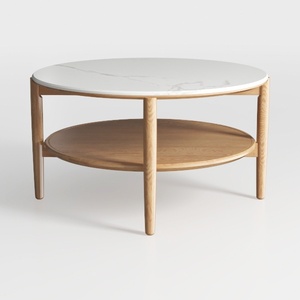
Minimalist Marble Top Solid Oak Round Two Tier Coffee Table 3D Model
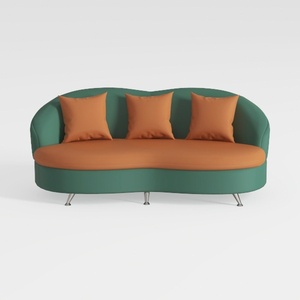

Modern Two Tone Fabric Curved Sofa With Throw Pillows 3D Model
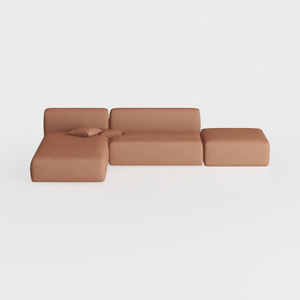
Minimalist Brown Fabric Modular Sectional Sofa 3D Model
Looking to transform your home? Homestyler is your go-to online design platform! With an easy-to-use design tool, stunning 3D renderings, and a treasure trove of design projects and DIY video tutorials, you’ll have everything you need to create your dream space effortlessly.
立即免费设计
































