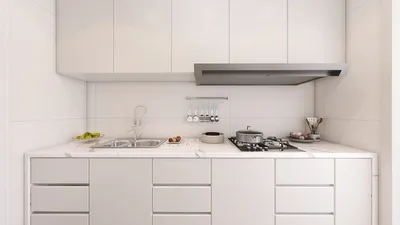


In my opinion, corners are often undervalued when it comes to kitchen design. Utilizing the right materials, proportions, and illumination can transform these tight spaces into efficient workstations that minimize movement, declutter the visuals, and enhance the cooking experience. Research consistently demonstrates that organizing kitchen reach zones can significantly ease routine tasks; reducing unnecessary actions leads to increased perceived efficiency and satisfaction. As noted by Steelcase, better-structured environments result in fewer cognitive interruptions and smoother transitions between tasks, principles I apply in my home design using tools like Homestyler.
When designing corner storage, comfort and ergonomics are critical. The WELL v2 framework links physical comfort and easy access to overall well-being, guiding my decisions on the positioning of pull-outs, shelf heights, lighting, and user-friendly hardware. Illumination levels are also essential, as shadows in corners can obscure items. Therefore, I follow IES lighting recommendations to layer effective task lighting, such as under-cabinet strips and low-glare pucks, ensuring clear visibility in awkward corners without the risk of glare.
My Strategies for Corner Storage
In various living spaces—from apartments to spacious kitchens—I rely on a select group of solutions that tackle the majority of corner issues. My priority is workflow (prep, cook, clean), followed by how frequently items are accessed, and then their size.
For blind corners, modern pull-outs with synchronized trays are perfect for bringing those hard-to-reach areas forward. I typically reserve these for medium-weight kitchen essentials such as mixing bowls, meal-prep bins, and lightweight appliances under 25 lbs. It’s important to keep the rail height just below the shelf thickness to avoid snagging handles. Testing different layouts can be made simpler with a digital mockup from platforms like Homestyler, allowing you to visualize clearances and conflicts with adjacent appliances easily.
For optimal accessibility, shelves that pivot fully out of the cabinet make it easier to access items without awkward bending. I place heavier cookware, like Dutch ovens, here since the shelf design minimizes lifting effort. Ensure there’s a clear arc of at least the shelf radius plus an extra inch to prevent knob collisions.
Rather than using the typical L-shape, a diagonal face can accommodate two deep drawers, which are ergonomically superior for frequently used items like food storage containers, baking sheets, or snack bins. It’s best to position the top drawer at a height of 30-36 inches from the floor for most adults; taller individuals may prefer a height of up to 38 inches.
In larger kitchens, I often recommend a floor-to-ceiling corner pantry that uses a 45-degree door. Inside, I combine adjustable shelves that are 12-14 inches deep with a vertical pull-out for oils and condiments. Integrated vertical lighting, such as 90+ CRI strips in the 2700-3000K range, is essential for ensuring labels are legible and colors are true. Adequate, low-glare illumination is key in a pantry to minimize visual search time, adhering to IES standards.
The toe-kick area is perfect for flat items like pizza stones, cooling racks, and even pet bowls. I recommend soft-close slides and integrated finger pulls for convenience. Keep the height between 3-4 inches; anything taller risks overloading and awkward bending.
A tambour or lift-up door can transform dead counter corners into an appliance garage for essentials such as the coffee maker, toaster, and blender. Installing a dedicated outlet and low-luminance task lighting helps prevent glare on stainless steel surfaces, keeping main prep areas clear and streamlining morning workflows.
When enclosed storage feels cumbersome, I often switch to floating corner shelves, perfect for displaying ceramics, bowls, and greenery. Using a warm, matte finish helps absorb light and reduce reflections. Maintaining a consistent vertical rhythm of 12-14 inches between shelves also contributes to visual harmony throughout the space.
Principles of Ergonomics and Human Factors
Effective corner storage minimizes bending, twisting, and reaching. I categorize items based on usage frequency: daily essentials should be placed at mid-thigh to eye level, while seasonal or heavier items can be housed in assisted-motion storage. In line with the WELL v2 Comfort guidelines, I ensure to avoid sharp edges on cabinet doors and drawer fronts at hip height, also opting for soft-close hardware to limit disruptive noises that affect the kitchen's atmosphere. Thoughtful acoustic solutions, including felt bumpers and soft pads beneath appliances, reduce clatter and maintain a ‘social kitchen’ ambiance.
Proper Corner Lighting Techniques
Corners tend to absorb light, so I combine under-cabinet LED strips (300-500 lux on the work surface) with small pucks inside corner cabinets to eliminate dark areas. A warm-white color temperature ranging from 2700-3000K creates an inviting atmosphere in dining zones, while 3000-3500K is ideal for focused preparation tasks. To prevent visible diode hotspots, I recess strips behind a diffuser and test positioning with glossy surfaces to avoid glare.
The Psychological Impact of Color in Corners
Corners can significantly affect how spacious a kitchen feels. Lighter, desaturated shades can visually push boundaries outward, while deep, dark corners may compress the space. I typically anchor base cabinets in a slightly darker neutral tone while applying lighter shades to upper cabinets in the corner to balance visual weight. Accent colors can be used behind open corner shelves, but it’s best to keep saturation low to prevent visual clutter, especially in compact kitchen settings where overstimulation can lead to cognitive fatigue.
Selecting Materials That Perform Well
Durability is vital in high-use corners. I prefer matte polyurethane or super-matte laminates that conceal fingerprints effectively. For shelf surfaces, high-pressure laminates with ABS edging are superior to painted MDF in busy areas. Textured melamine inside cabinets offers better grip than slick finishes, preventing items from sliding when cabinet doors swing open.
Enhancing Workflow: Preparing, Cooking, Cleaning
Every decision regarding corner design should facilitate the essential triangle of prep, cooking, and cleaning. Place frequently needed prep items, such as mixing bowls and colanders, in the corner closest to the prep counter. Cooking tools like pots and lids should be stored in swing shelves nearest the cooktop, while cleaning supplies can be efficiently stored in a small corner pull-out near the sink, ensuring they are separated from food areas. If you’re redesigning an L or U-shape kitchen, I recommend using a planning tool to verify door swings, aisle width, and appliance clearances to ensure everything fits seamlessly before selecting hardware.
Effective Strategies for Small Kitchens
2024-2025 Trends I’m Utilizing
Installation Tips to Avoid Common Issues
Maintaining corner fixtures requires minimal effort: regularly vacuuming rails, wiping down gaskets, and avoiding overloading shelves beyond their recommended limits. For shelves that begin to sag, adjusting cam locks and adding hidden angle brackets can provide extra support. LED strips benefit from proper heat management, and investing in aluminum channels can significantly enhance their lifespan.
Frequently Asked Questions
LeMans or kidney-shaped swing shelves effectively bear weight and bring items fully into the reach zone, reducing strain compared to blind pull-outs.
Aim for a lighting level of around 300-500 lux on the shelf surface using diffused LED strips or low-glare pucks, ideally in the 2700-3000K range for warm, inviting residential kitchens.
Yes, as long as the mechanism fully extends and the surrounding appliance clearances are appropriate. It is better to focus on a single high-quality unit rather than multiple budget options to avoid friction and sagging issues.
Super-matte laminates and matte polyurethane paints outperform glossy finishes as they diffuse reflections and conceal smudges effectively in tight corners.
Incorporate a tambour or lift-up door with a horizontal grain, matching the backsplash color, and integrate under-cabinet lighting for a visually open corner space.
Typically, maintaining a spacing of 12-14 inches between shelves allows for comfortable access to tall items while achieving a balanced vertical rhythm.
Yes, plinth drawers are great for flat items. Keeping the height between 3-4 inches with soft-close slides prevents slamming near the floor.
Store everyday items within mid-thigh to eye level, utilize assisted-motion shelves for heavier materials, and keep seldom-used items in high corners to minimize bending and twisting movements.
Design your layout to model door swings alongside pull-outs. Always check handle projections, ensuring there’s at least an inch of buffer in the swing arc.
Utilize lighter upper cabinets in corners while keeping base cabinets a bit darker, reserving vibrant accent colors for smaller elements to enhance the visual perception of space.
While residential building codes offer some flexibility, adhering to IES guidelines ensures comfortable and uniform task lighting that reduces eye strain and streamlines activity in corners.
Construct a quick digital mockup using a layout simulation tool to confirm clearances, door movements, and workflows before investing in hardware.
Homestyler is your go-to online platform for home design! With its easy-to-use design tool, stunning 3D renderings, and a wealth of inspiring design projects and DIY video tutorials, you can effortlessly transform your space into a dream home—no prior experience needed!
Desain sekarang Gratis
































