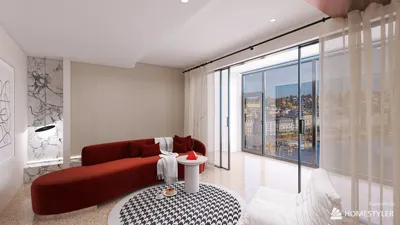


Kitchen shutters play a crucial role in establishing the visual rhythm within a space, and choosing acrylic offers a refined, gleaming finish that enhances sharp lines and increases light reflection. In my recent design endeavors, I've integrated acrylic shutters, which can enhance up to 30% more perceived brightness compared to matte laminates under similar conditions. This choice aligns with the WELL v2 standards that focus on visual lighting quality and glare management. When pairing this type of surface with appropriate task lighting and low-glare optics, it effectively follows IES recommended practices to maintain comfort in reflectance while creating an illusion of more spacious compact kitchens, thanks to tools like Homestyler for virtual visualization.
The layout and workflow of a kitchen are equally essential as the finish. According to Gensler’s Workplace Survey, well-organized environments significantly boost user efficacy by ensuring clear spatial intentions and lessening friction points. When applied to kitchen design, I ensure that shutter zones are strategically placed around the work triangle to minimize congestion, facilitate ergonomic reach, and promote safe sightlines. The psychological impact of color should not be overlooked; soft neutral tones can decrease cognitive overload, while vivid colors can infuse energy into specific tasks, a balance that is well-supported by studies on color effects on mood and performance, such as those highlighted in Verywell Mind: Color Psychology.
Exploring the Efficacy of Acrylic Shutters in Kitchen Design
I turn to acrylic when a client desires a sleek, luminous appearance that simplifies maintenance compared to traditional mirror-polished lacquer. Quality cast acrylic provides stable gloss and edge clarity, along with superior scratch resistance compared to lower-grade extruded sheets. In high-traffic kitchens, the front surfaces endure considerable wear, so I recommend 1.0–1.5 mm acrylic overlays strategically placed on moisture-resistant MDF or marine-grade plywood, utilizing PUR bonding to mitigate delamination in humid areas around sinks and dishwashers, reinforcing the practicality advocated by Homestyler.
Maximizing Visual Brightness and Control of Light
High-gloss shutters can enhance both natural and artificial illumination immensely. However, I temper this brightness with a layered approach to lighting: opting for under-cabinet task lights at 3000–3500 K for precise color rendering, ambient lighting at 4000 K for a neutral viewpoint, and diffused pendants with broad beam angles to diminish harsh highlights. It is imperative to adhere to glare control measures; aligning fixture optics and mounting heights with IES guidelines prevents glaring hotspots at typical eye levels during activities like food preparation or cleaning.
Focused on Ergonomics and Door Mechanisms
Ergonomics are pivotal in preserving the pristine look of high-gloss finishes. I ensure the positioning of handles or integrated pulls is where finger smudges are least visible, commonly at mid-stile for base shutters or in upper-lower thirds for wall-mounted units. Soft-close concealed hinges serve to protect the edges of acrylic from micro-chipping. In compact kitchen spaces, I favor lift-up flap mechanisms or pocket doors to alleviate swing conflicts within tight aisles. My designs target a minimum passage of 1000–1050 mm to comfortably accommodate two users while doors remain ajar.
Strategizing Color Choices with Purposeful Gloss
Colors under glossy finishes tend to appear more vibrant and reflective. I often select warm whites with subtle red or yellow undertones to achieve continuity across large surfaces, punctuating with deep, grounded colors—like ink blue, charcoal, or olive—on a singular tall pantry to ground the overall aesthetic. For clients seeking bursts of energy, I opt for bold gloss finishes on appliance garages or narrow drawers rather than extending throughout to avoid overwhelming visual fatigue. Connecting behaviorally, tranquil bases paired with lively accents near active task areas help preserve both clarity and engagement.
Effective Material Pairings and Finishes
The polished nature of acrylic creates a captivating contrast with various tactile materials. I often specify matte stone or honed quartz countertops to temper glare, and ribbed glass for select upper doors to disrupt reflections, while introducing warm ash or walnut veneer on open shelving to enrich the textural depth. Hardware also plays a significant role: brushed nickel or PVD brass prove more efficient in minimizing fingerprint visibility compared to chrome finishes. Inside cabinets, I prefer durable melamine with seamless edge-banding; durability and ease of cleaning are especially important in culinary spaces.
Smart Solutions for Small Kitchens
Leveraging vertical space can be highly beneficial: taller wall units equipped with lift-up shutters help keep pathways clear. In constrained layouts, I utilize a layout simulation tool to model hinge swings, sightlines, and light reflection paths to prevent glare from intruding into seating areas. To create a more streamlined appearance, I incorporate slim finger pulls and push-to-open mechanisms; however, I ensure practicality by considering that push latches can leave traces—hence, I may suggest micro-textured acrylic for base runs in kitchens with daily use.
Creating Seamless Storage That Appears Built-In
For an integrated look, I align shutter reveals with appliance trims and panel-ready refrigerators. Continuous horizontal lines, such as a uniform top edge across all base units, effectively visually enlarges a space. Tall pantry cabinets with internal pull-out sections free the countertops, and I often incorporate a discreet charging drawer behind an acrylic facade to conceal devices. In corner spaces, using LeMans or turntable units ensures doors don’t need to swing fully into pathways, optimizing functionality.
Acoustic and User Experience Considerations
Hard, glossy surfaces can reflect sound levels. To enhance the acoustic profile, I introduce softer elements such as an upholstered banquette, cork boards in planning zones, and fabric-lined seating pads. Implementing felt bumpers and soft-close hardware diminishes impact noise. For user interaction, I recommend maintaining edge radii between 1.0 to 1.5 mm to reduce chipping and facilitate safer cleaning processes.
Ensuring Maintenance and Longevity
Quality acrylic is highly resilient when cared for properly. I recommend using microfiber cloths alongside a mild, non-ammonia cleaner; abrasive pads should be avoided. Installing heat shields adjacent to ovens and dishwashers stabilizes door edge temperatures. In homes with children or frequent rentals, I suggest opting for high-grade anti-scratch acrylic or semi-gloss options for base units, as they effectively conceal micro-abrasions while maintaining a glossy appearance in high-visibility areas.
Budgeting and Specification Insights
The cost fluctuates based on the grade of acrylic, substrate choices, and hardware. My priority is to invest in high-quality hinges and slides first, as they prolong front durability. To create visual impact within budget constraints, using acrylic exclusively on key focal points (like island fronts or the most prominent wall) and choosing color-matched matte laminates for secondary areas can stretch funds while preserving the standout gloss. Always request finish samples in the actual lighting to account for perceived color shifts based on CCT and CRI.
Critical Installation Details
Pre-factory edge-banding of acrylic and pre-drilling hardware at the manufacturing stage are vital for preventing cracking during installation. Protective films should remain until the final cleaning. Properly calibrating door gaps to 2–3 mm allows for clean shadow lines and consistent reveals. If integrating glass or lighting interior to cabinets, aluminum channels should be included to dissipate LED heat from acrylic surfaces effectively.
Design Principles I Often Revisit
FAQ
Certainly! When specified with quality cast acrylic, PUR bonding, and soft-close hardware, they can effectively resist moisture and light impacts; avoid abrasive cleaners to maintain the gloss finish.
Yes, but only if the lighting direction is poorly set. I recommend using diffused ambient light along with under-cabinet task lighting at 3000–3500 K and arranging fixtures as per IES guidelines to minimize reflective hot spots.
Acrylic provides a uniform, mirror-like finish with excellent color stability and the option for repairable surface films. Though PU/lacquer can achieve greater depth, it often necessitates more meticulous care and controlled finishing conditions.
High-quality, UV-stabilized acrylic minimizes yellowing. Always choose reputable cast sheets and verify UV ratings; shielding strong heat sources is essential.
Incorporating integrated J-pulls or slim linear pulls can help minimize fingerprints and maintain a clean visual aesthetic. For push-to-open, utilizing higher-quality latches can prevent bounce and potential misalignment.
Absolutely—selecting anti-scratch or semi-gloss variants on base units, coupled with maintaining soft-close hardware and opting for darker, mid-tone colors can effectively mask scuff marks.
Using a microfiber cloth, pH-neutral cleaner, and conducting weekly wipe-downs is essential. Additionally, introducing a matte worktop can conceal streaks and locating handles away from high-touch zones is advisable.
Incorporating soft materials—like rugs, upholstered seating, and cork boards—along with ensuring soft-close systems will mitigate acoustics and reduce noise from hard surface interactions.
With moisture-resistant substrates, PUR adhesives, and sealed edges, acrylic can perform excellently. Ensure there's ventilation near dishwashers and ovens for optimal longevity.
Using a layout simulation tool to model your design will help identify potential conflicts, or consider lift-up and pocket doors to navigate space effectively. Aim for a minimum of 1000 mm aisle width where possible to facilitate two-person flow.
Minor hairline scratches can typically be polished out; however, deeper gouges may need professional refinishing or replacement of the front, depending on the thickness of the overlay.
Utilizing warm whites and gentle neutrals for expansive areas, combined with a single deep accent bank, helps in balancing visual appeal and trend longevity.
Discover your inner designer with Homestyler! This user-friendly online platform offers a powerful design tool, stunning 3D renderings, and a wealth of inspiring design projects. Plus, you'll find helpful DIY video tutorials to guide you every step of the way. Transform your space effortlessly!
Diseño ahora GRATIS
































