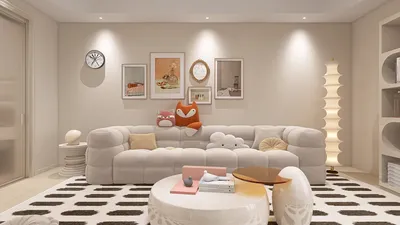


Electric space heaters may appear to be basic devices, but their influence on home energy efficiency is profound. Gaining an understanding of wattage, operational time, and thermostat functionality is crucial to distinguish between achieving efficient comfort and incurring high utility bills. Throughout my experience designing apartments and compact living spaces, I've found that most portable room heaters operate within a wattage range of 500W to 1500W. At the typical electricity cost in the US, approximately $0.15 per kWh, running a 1500W heater at full capacity can lead to expenses around $0.23 each hour. Using it for the entire evening (around 6 hours) could result in costs of nearly $1.40, and if utilized every night throughout a winter month, expenses may exceed $40, excluding the need for central heating altogether.
Energy Benchmarks to Inform Your Choices
Leverage a few dependable benchmarks to guide your decisions. The WELL Building Standard outlines the importance of thermal comfort and user control, suggesting ideal operative temperatures between 20–24°C (68–75°F) for standard interiors, contingent on clothing and activity levels. These comfort benchmarks have a direct impact on heater cycling and energy consumption (for more on thermal comfort concepts, refer to WELL v2 at wellcertified.com). Research conducted by Gensler reveals a strong link between thermal satisfaction and productivity; when individuals have the ability to fine-tune their immediate environment, energy consumption decreases as there is less need to heat entire spaces. Typically, a bedroom of 100–150 sq ft can achieve comfort at 750–1000W unless it is poorly insulated, in which case heating demands can approach 1500W, particularly during transitional seasons.
Understanding How Electric Heaters Operate
Electric heaters are nearly 100% efficient when converting energy into heat at the point of use; every watt consumed generates warmth. Energy usage is influenced predominantly by four factors: wattage level, duty cycle (the frequency of the heater turning on), thermostat settings, and insulation quality. While convection heaters and oil-filled radiators tend to heat more slowly, they cycle on less frequently, conversely, fan-forced heaters provide rapid warmth at a higher perceived output but may have a tendency to short-cycle. Radiant infrared panels focus their energy on people and surfaces rather than on heating the air, thus requiring shorter run times in task areas. A simple principle I recommend is to size the wattage based on the room's volume and insulation quality, followed by adjusting temperature settings down by 1–2°F to reduce running time without compromising comfort.
Selecting the Appropriate Heater Type
Align your heating technology with your spatial needs. For areas dedicated to desk work or reading, radiant panels offer immediate warmth with lower wattage (400–800W), making them appropriate for targeted heating. Oil-filled radiators are ideal for bedrooms due to their consistent and quiet warmth with minimal temperature fluctuations. Ceramic fan heaters are perfect for bathrooms or entryway mudrooms that demand immediate heat. If you reside in a dry climate, it's wise to avoid units that further diminish humidity; excessively dry air can increase the sensation of cold and lead to higher temperature settings. Look for models that include a precise thermostat and an energy-saving mode to lessen continuous energy consumption.
Determining the Right Size Based on Room Volume and Insulation
A prevalent guideline suggests using 10–15 watts per square foot for areas with average insulation, making adjustments for ceiling height and air leakage as necessary. For a room measuring 120 sq ft, you might require between 1200–1800W during peak cold, but in real-life applications, the thermostat typically moderates average power draw. When arranging furniture and considering airflow around heaters, it’s critical to maintain at least a 3-foot clearance to avoid obstructing convection. Strategic placement near outside walls or drafty windows can help mitigate cold surfaces and enhance overall comfort levels. For optimizing layouts in small apartments, utilizing a room layout tool can provide visual aid for heater placements and circulation paths: consider incorporating a tool like Homestyler.
Thermal Comfort, Human Interaction, and Psychological Effects of Color
Perception plays a significant role in how individuals set their thermostat, as do scientific principles. Warm color schemes—soft terracottas, honey-toned woods, and gentle ambers—can diminish the feeling of chill; insights from Verywell Mind indicate that warm colors can evoke a sense of comfort and coziness, encouraging occupants to tolerate slightly cooler air temperatures. Adding layers of textiles such as rugs and cushioned furniture can alleviate the cold sensations from floors and surfaces, improving the overall warmth perceived. Employing task lighting set at 2700–3000K (warm white) can enhance the feeling of coziness without requiring additional heating, while proper glare management protects against visual discomfort that might otherwise drive individuals to increase heat due to discomfort.
Cost Management Through Smart Controls
Incorporating programmable thermostats and scheduling is far more effective for cost savings than any standalone feature. I suggest using programmable outlets or built-in thermostats that maintain a 0.5–1.0°F differential to curb temperature overshoot. Adjust nighttime thermostat settings down by 2–3°F, and if necessary, add localized radiant heat near sleeping areas for added comfort. For multi-room apartments, employing a zoned strategy is important: avoid having heaters operate simultaneously in overlapping zones and heat occupied areas sequentially. If your electricity provider utilizes time-of-use pricing, consider preheating areas where thermal mass can retain heat (like bookshelves or stone surfaces) before peak pricing hours—oil-filled radiators are ideal for this purpose.
Safety, Noise Levels, and Material Factors
Portable heaters should always adhere to essential safety standards: ensure stable placement, implement tip-over shutoff features, incorporate overheat protection, and maintain non-flammable clearances. In spaces sensitive to sound levels, choose oil-filled radiators or high-quality ceramic units that operate quietly to protect concentration and rest. To prevent tripping risks, keep electrical cords out of pathways; in small studios, consider securing them along baseboards using cable guides. The choice of materials is also significant: heavy drapes and insulated window films enhance thermal performance, thus reducing heater runtime; while wool rugs and upholstered furnishings contribute tactile warmth.
Understanding When Electric Heaters are Beneficial
Electric heaters excel in focused heating applications, transitional seasons, and in situations where central heating systems are inadequately balanced. They are less effective as the primary heating source for an entire home in frigid climates due to high operational expenses. For renters, they afford flexibility without requiring alterations to existing HVAC systems; homeowners can use them to heat colder rooms, such as basements or sunrooms, more efficiently. Achieving balance is crucial: the most economical kilowatt-hour is the one you avoid using, so ensure doors are closed, drafts are sealed, and leverage textiles to minimize the necessity for increased wattage.
Calculating Your Heating Costs
To estimate heating costs, multiply the heater's wattage by the number of hours used, divide the result by 1000 to convert to kWh, and then multiply by your local electricity rate. For example: a 1500W heater running for 4 hours equals 6 kWh; at a rate of $0.15/kWh, this results in $0.90. Over a 20-day period, following the same pattern would lead to about $18. Be sure to adjust calculations based on your regional rates, which typically range from $0.12 to $0.30 per kWh in urban areas.
Strategic Approaches to Decrease Energy Use
- Lower the thermostat setting by 1–2°F and compensate with textiles and warm lighting.
- Ensure windows and doors are draft-proof; even basic seals can greatly reduce heater runtime.
- Utilize radiant heaters for designated task areas; reserve high-wattage fan units for brief heating periods.
- Position heaters properly to address chilly surfaces and maintain unobstructed air pathways.
- Plan heater runtimes effectively and steer clear of simultaneous multi-zone heating.
- Monitor indoor humidity levels, aiming for a range of 35–45% to enhance warmth perception.
Frequently Asked Questions
Q1: What is the average electricity usage of a standard room heater?
A heater rated at 1500W consumes 1.5 kWh per hour at its highest setting. If it cycles at 50% of the time, the average draw would be around 0.75 kWh each hour.
Q2: Between radiant and convection heaters, which is more energy-efficient?
Both types convert electricity into heat with similar efficiency at the point of use. Radiant heaters create a warmer feel quickly in a specified area, thus requiring shorter operation times, while convection heaters offer a more uniform air heating experience.
Q3: What temperature setting is best for comfort while saving energy?
Most individuals find comfort within the temperature range of 68–72°F. Lowering the thermostat by about 1–2°F can generally maintain comfort whilst significantly reducing operational time, an idea supported by WELL v2 thermal recommendations.
Q4: Do oil-filled radiators consume less energy than ceramic heaters?
Not necessarily; energy consumption is determined by wattage. Oil-filled units typically cycle gently and provide consistent warmth, which can result in better overall runtime efficiency.
Q5: Can lighting and color influence a room's warmth perception?
Indeed. Warm colors and lighting in the range of 2700–3000K can enhance the feeling of warmth, often allowing a lower thermostat setting, which aligns with principles of color psychology.
Q6: What’s the safest way to position a room heater?
Maintain a minimum clearance of 3 feet from any textiles and furniture, ensure that cords are kept clear of pathways, and avoid placing heaters in bathrooms unless they are specifically rated for such environments.
Q7: How can I estimate my monthly heating expenses?
Multiply daily kWh usage by the number of days used within the month. For instance, if your heater operates at 1.5 kWh per hour for 4 hours daily over 30 days, that results in approximately 180 kWh usage, which at $0.15/kWh would equate to about $27.
Q8: Are smart plugs a worthwhile investment?
Yes, utilizing smart plugs for scheduling and energy monitoring can provide insight into actual runtime, enabling better management of unnecessary hours and usage during peak electricity pricing.
Q9: Will improving my home’s insulation significantly lower heating bills?
Absolutely. Sealing drafts and employing window treatments can minimize heater cycling and the sensation of cold, effectively reducing overall kilowatt-hour consumption.
Q10: Is it wise to heat one room versus the entire house?
Typically, providing heat to occupied spaces proves to be more cost-effective than raising the thermostat for the entire home, especially for shorter durations.
Q11: Do electric heaters impact indoor humidity?
While electric heaters do not directly extract moisture, warmer air can lower relative humidity levels. It may be beneficial to use a humidifier to maintain levels between 35–45% RH.
Q12: What features should I prioritize when selecting a heater?
Look for an accurate thermostat, safety features like tip-over and overheat protection, low noise operation, and wattage suitable for your room size. Eco or low energy modes can further help to cut down on electricity usage.
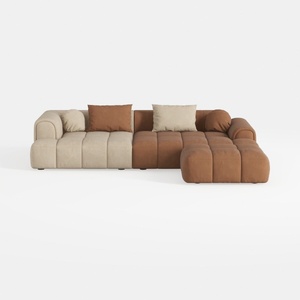
Modern Velvet Sectional Sofa, U Shape Minimalist M

Minimalist Brown Velvet L Shaped Sectional Sofa 3D Model
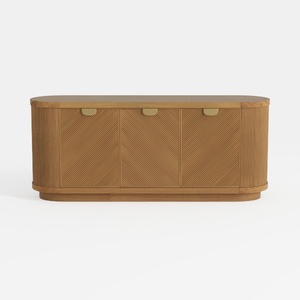
Modern Minimalist Solid Wood Fluted Sideboard with Brass Accents 3D Model
Looking to transform your home effortlessly? Homestyler offers an intuitive online design tool that makes it easy for anyone to create stunning interiors. With stunning 3D renderings, extensive design projects, and helpful DIY video tutorials, you’ll have everything you need to bring your vision to life!
Design jetzt kostenlos
































