

I've lost track of the numerous occasions a strategically placed luggage rack has enhanced a compact guestroom design. This seemingly minor addition has a significant effect: it elevates suitcases, keeping them off linens and floors, ensuring smooth movement around the bed, and safeguarding wall surfaces from marks. In my analysis of guest satisfaction metrics for midscale and upscale hotels, ineffective or poorly positioned luggage racks consistently emerge as a common source of complaints. This observation aligns with broader hospitality studies indicating that an organized room layout minimizes obstacles for travelers; Gensler's research highlights that clear functional spaces enhance perceived usability and improve overall consistency during guests' stays. Furthermore, on the ergonomics front, WELL v2 guidelines advocate for reducing awkward lifting; positioning suitcase surfaces at about 20–24 inches helps alleviate strain compared to accessing them from the floor.
The significance of lighting and visibility often exceeds what many operators realize. According to the IES, task lighting recommendations for residential-hospitality spaces usually suggest around 200–300 lux for tasks requiring less illumination. By directing this level of brightness towards the luggage rack area, we can lessen eye strain during packing, searching for belongings, and reading tags. Coupling this with a warmer color temperature of 3000–3500K ensures a cozy packing experience in the evenings. I also focus on guests' perceptions of hygiene: it's instinctive for them to avoid placing suitcases on beds. Research by Steelcase on spatial clarity within work environments indicates that clear zones significantly reduce cognitive load; this principle similarly applies to hotel rooms, where defined luggage spaces minimize micro-decisions and enhance the room's usability.
Understanding What a Luggage Rack Truly Addresses
- Hygiene and contamination control: prevents wheels and handles from coming into contact with fabrics, thus protecting linens and upholstery.
- Ergonomic access: raises heavy bags to a mid-thigh level, helping to reduce bending.
- Circulation and safety: mitigates potential trip hazards in narrow spaces and around the bed.
- Finish protection: preserves the appearance of paint, wallpaper, and furnishings from scratches and scuff marks.
- Behavioral clarity: clearly marks areas for packing and unpacking, minimizing clutter and reducing frustration.
Effective Placement in Real Rooms
As a general guideline, place the luggage rack within 3–5 feet of the entryway but outside the main door swing. If the room boasts a built-in luggage bench, consider having a portable rack nearby for an additional suitcase, as most travelers bring at least two bags. Aim for a minimum of 36 inches of unobstructed space around the bed; in tighter rooms, a minimum of 32 inches is acceptable. When redesigning floor layouts, utilizing a simple interior layout planner like Homestyler can aid in testing clearances and door swings before finalizing specifications.
Dimensions and Capacity Considerations
- Height: 20–24 inches (51–61 cm) offers comfort for the majority of adults and adheres to WELL v2 ergonomic recommendations to minimize deep bending.
- Width: 20–26 inches (51–66 cm) accommodates standard checked luggage; for resorts catering to long-stay guests, consider a frame of 28–30 inches.
- Depth: 16–18 inches keeps the footprint compact while effectively supporting most bags.
- Load rating: ensure a minimum capacity of 100–150 pounds (45–68 kg); verify hardware and strap specifications before large-scale purchases.
Durable Materials and Finishes
- Metal frames (powder-coated steel or anodized aluminum): these materials are tough, easy to clean, and resistant to grime from luggage wheels.
- Hardwood frames with catalyzed lacquer: ideal for boutique hotels, they provide a warm aesthetic; ensure added bracing at corners and replaceable straps.
- Straps: ballistic nylon or UV-stable polyester outperform cotton in terms of durability and maintenance. While leather offers a premium look, it requires conditioning and shows wear more quickly under the stress of rolling luggage.
- Feet: use non-marking thermoplastic rubber to protect flooring and minimize noise.
Lighting and Comfort Around the Rack
Establish a task zone with 200–300 lux using low-glare light fixtures that are shielded from direct sightlines to the bed for circadian rhythm support. A well-placed wall sconce with a forward-throw optic or an under-shelf LED at a 3000–3500K warm color temperature is effective. Maintain low glare by using diffusers or indirect baffles; glare reflecting off luggage can lead to fatigue during late arrivals.
Acoustic Considerations and Guest Behavior
Late-night arrivals often involve the rolling of wheels and adjustments to the rack. Quiet-close feet, wall bumpers behind the rack, and felt pads beneath a bench help minimize noise that can travel through walls. Positioning the rack away from headboards can also alleviate disturbances to neighboring rooms.
Placement Strategies for Various Room Types
- Compact urban king (approx. 200–250 sq ft): Install a flip-down rack near the closet, maintaining a 32-inch clearance for the bathroom door's swing.
- Double-double family rooms: Provide two racks—one fixed, one foldable located in the closet. Position them separately to avoid congestion at the entry.
- Extended stay/studio: Integrate a luggage drawer-bench combination that doubles as seating; ensure a depth of 24–26 inches if the kitchenette slightly overlaps.
- Accessible rooms (ADA or local equivalent): Prioritize 48-inch turning radius clearances and ensure the rack does not infringe upon transfer spaces. A wall-mounted shelf at 20–22 inches height with front access is preferable to a freestanding design in tighter configurations.
Safety, Cleaning, and Operational Efficiency
- Wall protection: Include a 4–6 inch high abrasion strip or a complete bumper at suitcase height to prevent damage.
- Housekeeping workflow: Racks should be operable with one hand and withstand regular sanitization; metal frames are more durable under rapid cleaning conditions compared to untreated wood.
- Pest prevention: Opt for minimal joints and smooth surfaces for swift inspection. Ensure fabric straps remain taut; loose straps can accumulate debris.
Functional yet Stylish Choices
Boutique hotels often coordinate rack finishes with hardware palettes—like brushed brass, matte black, or stained oak. Keeping straps dark and patterned helps to mask common scuffs. For a minimalist style, consider a concealed niche with a flush flip-down panel that retains functionality without disrupting the visual calm of the room.
Common Pitfalls to Avoid
- Avoid placing the rack directly behind a full door swing—this can render it inaccessible to guests.
- Under-sizing: narrow racks can cause bags to tip, resulting in wall marks.
- Mounting at bed height: this choice competes visually with bedding and encourages the placement of suitcases on the duvet.
- Neglecting lighting: insufficient lighting in corners can hinder packing and elevate guest frustration.
Specification Checklist for Procurement
- Frame: powder-coated steel, about 22 inches high x 24–26 inches wide x 16–18 inches deep.
- Straps: 2–3 inch ballistic nylon, replaceable, 3–4 spans.
- Feet: non-marking TPR with a sound-dampening core.
- Load: minimum 150-pound rating with documented testing method.
- Finish: abrasion-resistant, 3,000+ rubs equivalent on coated surfaces to ensure durability.
Frequently Asked Questions
Q1: Do travelers really utilize luggage racks?
A1: Absolutely. In the guest feedback I've analyzed, luggage racks are among the most utilized amenities following kettles and safes, particularly during short stays of 1–3 nights where full unpacking is uncommon.
Q2: What is the optimal height for minimizing back strain?
A2: Aim for 20–24 inches. This height corresponds with ergonomic guidelines that minimize deep trunk bending, as recommended by WELL v2's Movement & Ergonomics, thus alleviating repetitive bending during packing.
Q3: How much illumination should I provide at the rack?
A3: Target 200–300 lux measured at the luggage surface, in line with standard IES task-lighting recommendations. Warmer color temperatures of 3000–3500K are more comfortable for evening use.
Q4: Are wall-mounted flip-down racks dependable?
A4: Yes, provided they are securely anchored to studs or rated blocking and specified with a load capacity of 100–150 pounds. Adding a wall bumper can help prevent damage from handles.
Q5: Which strap material lasts longest in hotel settings?
A5: Ballistic nylon or high-denier polyester are top choices. They are durable, easy to clean, and replaceable without needing to discard the frame.
Q6: Should I offer more than one luggage rack?
A6: Yes, especially in double rooms or family accommodations. A fixed bench combined with a foldable rack can accommodate two full-sized suitcases without disrupting circulation.
Q7: How do luggage racks influence housekeeping efficiency?
A7: Positively. By keeping bags off bedding, contact with linens is reduced, leading to less rework. Foldable racks also expedite floor cleaning by providing clear access.
Q8: What's the best placement for a luggage rack in a small room?
A8: Near the closet or entryway, away from door swings, with a minimum of 32 inches of adjacent clearance. Opt for a compact depth of 16–18 inches to maintain room flow.
Q9: Are there sustainability concerns to consider?
A9: Yes, choose durable, repairable frames with replaceable straps to prolong lifespans, and prefer powder coating over solvent-heavy finishes. These sustainable choices reduce waste and the need for replacements.
Q10: How can I protect walls behind the luggage rack?
A10: Implement a discreet bumper rail or a narrow abrasion-resistant panel at suitcase handle height. Semi-matte finishes are effective in concealing scuffs more efficiently than high gloss options.
Q11: Can luggage racks serve as seating options?
A11: This is not recommended unless the rack is rated for seating purposes. Instead, consider designing a bench-luggage hybrid that provides adequate support with a reinforced surface.
Q12: How should I approach color and brand alignment?
A12: Match metal finishes with room hardware and utilize dark, patterned straps for durability. Subtle branding on an end cap or underframe can maintain an upscale appearance without creating visual clutter.

happimess BSK1003A Laurel Bohemian Hand-Woven
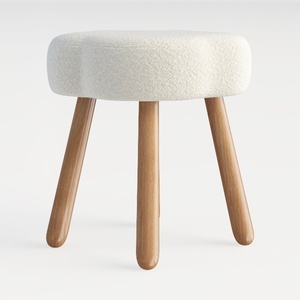
Minimalist Boucle Wooden Ottoman 3D Model


Minimalist Solid Wood Animal Shaped Kids Chair 3D Model
If you're looking to transform your space effortlessly, try Homestyler! This online design platform offers a user-friendly tool for creating your dream home, complete with stunning 3D renderings and inspiring design projects. Plus, you'll find helpful DIY video tutorials to guide you every step of the way!
Concevez maintenant gratuitement
































