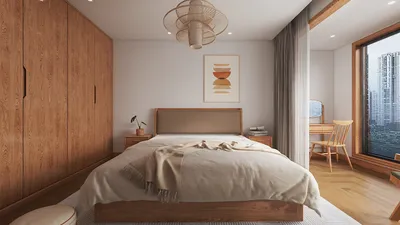


I've designed numerous studio apartments where a compact table must adapt to multiple functions: acting as a desk, dining area, drop zone, and even a nightstand occasionally. The key lies in selecting a versatile table that complements the space without overwhelming it: appropriate height, suitable proportions for movement, and materials that reflect light rather than absorb it. Homestyler can be a valuable tool for visualizing these configurations effectively.
Size is crucial. In efficiently designed small spaces, maintaining a clear width of 30–36 inches is essential for comfortable movement around furniture, a standard guideline in home design. Research from Herman Miller indicates that when work surfaces align with ergonomic heights—typically 28–30 inches for seated tasks and 36–42 inches for standing work—the strain is minimized, enhancing productivity. Additionally, when natural light is limited, I adhere to IES recommendations for ambient illumination to ensure surfaces remain legible without contributing to visual congestion, which can make small areas feel confined.
The influence of color and mood is significant. Research compiled by Verywell Mind underscores that lighter, cooler hues can enhance the sensation of spaciousness, while warmer tones offer comfort without adding bulk. In studio settings, I prefer tables with a diameter under 30 inches or dimensions of 24–30 inches for rectangular options—adequate for a laptop and a dining setting. I also utilize tables with folding, nesting, or lift-top features to maximize functionality when needed, making it easy to utilize Homestyler to visualize these alternatives.
Core Principles: Size, Height, and Visual Lightness
In studio apartments, tables should fulfill at least two purposes. I emphasize: (1) correct height—28–30 inches for seated use, paired with chairs at 17–19 inches; (2) visual lightness—sleek tops, rounded edges, and open bases; and (3) adaptability—features like foldable leaves or nested designs for accommodating guests or tasks. Slim support structures help avoid knee bumping, and beveled edges reduce glare from light fixtures.
Shapes That Work in Compact Spaces
• Round (24–30 inches): Perfect for proximity to circulation areas; with no sharp edges, they facilitate movement.
• Square (24–28 inches): Utilizes wall space efficiently; easily converts to a dining table for two.
• Rectangular narrow (24–30 by 12–18 inches): Works as a console during the day and converts to dining for two when extended.
• Oval (28–34 inches length): Offers a softer outline that feels less imposing than it actually is.
Material Selection: Bright, Durable, and Subtle
Laminate or matte finishes, which resist scratches and prevent glare, are ideal. Light-toned wood veneers like ash, oak, or birch keep the aesthetic airy, while walnut can warm things up when paired with lighter walls. To maintain a peaceful environment, steer clear of hollow metal surfaces; consider using soft placemats or felt underlays to reduce noise. For those who enjoy cooking, selecting heat-resistant and non-porous surfaces is advisable, along with sealed edges to combat spills.
Smart Storage Solutions: Tables That Perform Dual Roles
Lift-top coffee tables equipped with soft-close mechanisms can function as both workspaces and dining trays. Compact drop-leaf tables can fold down to 8–12 inches against the wall; when extended, they can comfortably accommodate two people. Nesting side tables can serve various purposes, from plant displays to nightstands, and can come together for entertaining or shared meals. In tight spaces, considering a wall-mounted fold-down table by a window can capture natural light while conserving floor space; use a room layout tool like Homestyler to test placements and ensure adequate circulation.
Placement Strategies for Small Zones
• Next to the sofa: a 16–18 inch high table for easy access while seated, with a slight inset edge to prevent spills.
• By the window: a narrow console (12–16 inches deep) can serve as a breakfast bar, ensuring a clear aisle of 30 inches.
• Bedside use: a 20–24 inch round table can function as both a nightstand and breakfast surface with integrated cable management.
• Entryway centerpiece: a slim table for catching keys and mail, complemented with wall hooks and a shallow shoe tray.
Lighting and Ergonomics for Compact Areas
Low-glare task lighting measuring 300–500 lux illuminates small tables clearly without creating visual distractions; warm-white adjustable lamps (2700–3000K) keep evening tasks comfortable. If your table has a reflective surface, angle the light fixture slightly to avoid direct hotspots. For standing work, counter-height surfaces of 36–42 inches, paired with stools measuring 24–26 inches, can provide variety in posture and maintain legroom underneath.
Color Psychology and Visual Harmony
In studio environments, contrasting colors can alter spatial perception. A light table against a medium-tone floor can create a visual sense of expansion; a medium wood top paired with pale legs can enhance perceived lightness. Soft greens or muted blues on surfaces promote a calming atmosphere for studying while warm terracotta accents can provide a welcoming feel for dining without overwhelming the color scheme.
Trends Shaping Small Table Designs for 2024-2025
• Dual-purpose designs: tables featuring lift-tops and drop-leaves that easily change function.
• Rounded edges: enhance safety in tight layouts and ensure longer durability.
• Matte finishes: reduced glare combined with tactile appeal, ideal for content creation.
• Eco-friendly materials: look for FSC-certified veneers, recycled aluminum frames, and modular components that can be repaired.
My Preferred Strategies for Studio Layout
I evaluate table placements against circulation routes first, ensuring alignment with natural light. If a table serves as a primary workspace, it should be positioned in the brightest area. For dining, I prefer a small round table slightly off-center from the sofa to maintain clear sightlines. When clients wish to visualize different layouts, I utilize Homestyler to create multiple furniture arrangements, checking legroom against chair positioning to prevent frequent adjustments.
Checklist for Selecting a Small Studio Table
• Size: Choose a 24–30 inch round or 24–30 by 12–18 inch rectangle.
• Height: Ensure 28–30 inches for seated areas; 36–42 inches for counter height options.
• Edges: Favor rounded corners or chamfered/bullnose edges.
• Base: Sled or pedestal bases provide ample legroom.
• Finish: Look for matte or low-gloss, stain-resistant options.
• Flexibility: Consider drop-leaf, nesting, or lift-top tables for multitasking needs.
• Protection: Use felt pads beneath table legs and heat-resistant placemats.
Frequently Asked Questions
A 24–30 inch round table can comfortably seat two while ensuring ease of movement. In extremely tight spaces, a 24 by 18 inch rectangular table placed against a wall can be pulled out when needed for meals.
Counter-height options (36–42 inches) can enhance versatility and align with kitchen counters, but the more ergonomic 28–30 inch height is better suited for extended laptop use. Choose based on your primary activities.
Plan for a clearing of 30–36 inches to navigate around seated guests comfortably, with 24 inches being the absolute minimum for low traffic areas.
Round and oval shapes help mitigate corner conflicts in compact flow paths, while narrow rectangles fit neatly against walls and transition from console to dining setups with minimal effort.
Opt for matte laminates, honed solid surfaces, and wood finishes with low sheen to diffuse reflections. Adjust the angle of task lighting slightly to prevent direct light from hitting glossy surfaces.
Certainly, if the lift mechanism reaches an ergonomic height of 28–30 inches and remains stable laterally. Opt for soft-close hardware and ensure comfortable wrist posture; pair with chairs at a seat height of 17–19 inches.
Look for features like slim drawers, pocket shelves just beneath the tabletop, or nesting side tables that can tuck underneath. Wall-mounted fold-down tables are excellent for keeping the floor clear while still offering a functional workspace.
Light-colored tabletops (like light oak or warm gray) against a medium-toned floor can enhance perceived width. Add warm accents through decorative items instead of opting for a heavy, dark surface.
A dimmable pendant light in the 2700–3000K range with 300–500 lux on the tabletop creates a balance between dining atmosphere and work visibility. Incorporate a task lamp for focused activities, ensuring that lamp shades are diffused.
Pedestal bases minimize leg clashes and allow for chairs to slide in more easily. Confirm the base diameter is sufficient to avoid foot obstruction, with open sled bases helping to maintain visual lightness and facilitate cleaning.
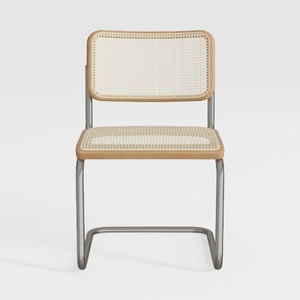
GIZNXBA Rattan Dining Chairs Upholstered Kitchen


Safavieh Home Bandelier Light Natural and White Le

Minimalist Solid Oak Wood Stacked Round Stool 3D Model
Homestyler is your go-to online home design platform, offering an easy-to-use design tool, stunning 3D rendering, and a wealth of design projects and DIY video tutorials. Transform your space effortlessly and unleash your creativity with Homestyler today!
Design jetzt kostenlos
































