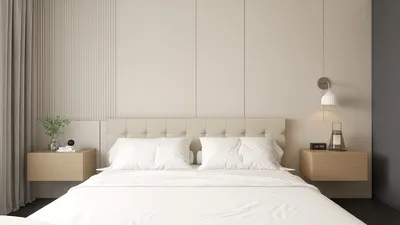


When it comes to small bedrooms, I view them as strategically designed spaces where every square inch needs to serve multiple functions. A modest bedside table equipped with storage quickly becomes an essential asset—holding everything from chargers to books, while ensuring surfaces remain tidy. The aim is to establish a balanced triangle between the bed, the light source, and reachable items, helping your nighttime routine feel seamless instead of cramped. Utilizing tools like Homestyler can greatly assist in visualizing this layout effectively.
Functionality begins by considering human ergonomics. To access your nightstand comfortably from a lying position, its height should ideally match your mattress, ranging from 23 to 28 inches for standard beds. Drawer handles should be easy to manipulate without overextending your wrist, and setting the drawer front back 2 to 3 inches can alleviate the risk of bumping your hands against doors in confined spaces. Proper lighting is just as critical as storage solutions—according to the WELL v2 Light concept, appropriate task lighting and glare management minimize eye strain and foster healthier sleep patterns. Therefore, designs that offer light within the warm range of 2700 to 3000K are recommended, aligning with best practices for better bedroom environments. Furthermore, Steelcase's research consistently suggests that well-organized settings enhance relaxation, allowing for quicker evenings and less cognitive load.
For bedrooms where reading or device charging is a priority, I advocate for a multi-layered lighting approach coupled with thoughtful cable management integrated within the table's design. The Illuminating Engineering Society (IES) recommends optimal illumination levels of 300 to 500 lux for reading purposes; hence, a dimmable lamp featuring a matte shade will help mitigate glare. Incorporating features such as a rear cord pass-through or a channel with a slim power strip beneath the top aids in eliminating cord clutter. If the surface is meant to double as a desk for journaling, making sure essential items are within 16 to 20 inches from the seated area will help maintain a comfortable reach without straining your shoulders.
Tailoring the Nightstand Size
Compact spaces necessitate meticulous measurements. I suggest keeping the width of the nightstand between 14 to 18 inches and the depth between 12 to 16 inches; this arrangement ensures at least 24 inches of clearance beside the bed for easy navigation while accommodating lamps and other necessities. The height should correspond to the top of the mattress to prevent awkward wrist movements while reaching for your light switch. In spaces with limited side borders, consider a lean design with a cantilevered top or a tapered base, both of which visually lessen the footprint while maximizing functional surface area.
Effective Storage Solutions
Your storage should align with your nightly habits. A shallow top drawer (around 2.5 to 3 inches deep) works beautifully for easy access to essentials like glasses, remotes, or medications. In contrast, a deeper drawer (6 to 8 inches) is ideal for books or small humidifiers. Open cubbies are practical when you employ baskets to maintain a clean look; otherwise, closed drawers help reduce visual clutter and dust accumulation. Adding felt or cork liners can also mitigate noise and protect surfaces. For extremely tight spaces, I often prefer a pull-out tray beneath the top; it provides additional surface area when necessary without increasing depth.
Creating a Calming Atmosphere with Light and Color
The lighting next to the bed should be both warm and focused. I recommend using lamps with a color temperature between 2700 to 3000K that also feature high Color Rendering Index (CRI) values for optimal reading comfort and accurate color rendition. Wall-mounted sconces or pivoting pin lights are great options as they free up table space and lower the risk of tipping over. The psychology of color should also be considered: cool shades, like soft blue or muted green, promote relaxation, while intense reds may elevate energy levels. To prevent glare, position lighting fixtures so that the light source is out of direct view while reclining, ensuring a soft luminance throughout the area.
Choosing Sustainable Materials
Select materials that blend durability with a pleasant feel. Solid wood or high-pressure laminate tops resist stains from water, while oiled finishes add warmth but necessitate maintenance. Opt for powder-coated steel frames that withstand impacts in narrow areas. Sustainable options include FSC-certified woods and low-VOC finishes. Additionally, elements such as modular parts allow for repairs instead of full replacements. If your bedroom is multifunctional as a workspace, incorporating sound-absorbing materials like cork or felt under accessories can diminish noise levels at night.
Effective Layout Approaches for Small Bedrooms
In elongated rooms, I recommend positioning the bedside table on the side with the least obstruction from door swings or closets, and slightly offsetting the bed to maintain clear pathways. If the room is under 8 feet wide, a single nightstand works well for queen beds; shared overhead lighting achieves symmetry through ceiling-mounted fixtures or a wall rail system, ensuring balance. If you're looking to quickly assess clearances, a room layout design tool, like Homestyler, can help simulate arm swings, lamp reach, and walking space before making any decisions.
Bedside Table as a Power Hub
Transforming your nightstand into a centralized charging station only works if it stays organized. I prefer having built-in USB-C and A ports mounted beneath the table top, complemented by a cable channel running down the back leg and a clip inside the upper drawer to keep the cable discreet for wearables. Adequate ventilation is necessary for closed storage housing electronics—consider slotted backs or perforated panels to avert heat. Ensure surge protectors remain easily accessible but concealed—using lift-up tops or hidden rear covers can be effective solutions.
Ergonomics That Matter
Proper hardware sizing and placement can significantly reduce strain. Centered knobs are straightforward, but elongated pulls situated in the upper third of the drawer help prevent awkward wrist angles in small spaces. Rounded edges on tables also minimize the risk of thigh bumps when navigating through the dark. If your mattress is elevated, opt for a slightly taller nightstand and a lamp with an extended pull chain or an inline dimmer switch, so you won’t have to stretch excessively.
Creating Visual Harmony in Limited Spaces
To avoid a cramped feeling in the bedroom, establish a 2:1 ratio of negative space against furniture mass in the bedside area. Light-colored bulky pieces work well, and using contrast sparingly helps create readable edges without adding heaviness to the visual appearance. A single statement piece, such as a decorative lamp or an artistic tray, can ground the scene while everything else remains understated.
Innovative Configurations to Experiment With
- A drawer with a pull-out tray allows for adaptable surface area.
- An open cubby paired with a concealed drawer blends quick access with hidden storage.
- A wall-mounted shelf alongside under-bed storage frees up floor space in tighter areas.
- A narrow pedestal with a top lip prevents items from slipping off in limited quarters.
- A double-height stack designed with recessed toes maximizes capacity without overwhelming visual space.
Ensuring Longevity and Easy Maintenance
Nightstands endure daily wear and tear—think water rings, scratches, and heat from charging devices. Employing coasters and choosing robust finishes will help, while wax or ceramic coatings add a protective layer. Opt for replaceable hardware and standard hinges for convenient updates. Moreover, drawer construction that uses dovetail joints or quality dowels typically outlasts those made with staples.
Research-Backed Selections for Enhanced Sleep Quality
The interplay between lighting and sleep quality is undeniable. The WELL v2 standards emphasize reducing nighttime glare and aligning light levels with circadian health, coinciding perfectly with a bedside design that prioritizes warm, dimmable lighting while shielding light sources. Additionally, Steelcase’s findings on organized environments highlight that decluttering visually can lessen cognitive burden—which is directly addressed by a thoughtfully designed storage nightstand.
Things to Check Before Your Purchase
- Ensure widths are between 14 and 18 inches; depths between 12 and 16 inches; and heights correspond to the top of the mattress.
- Look for dual-tier storage: a shallow drawer for quick-access items and a deeper drawer or cubby for larger items.
- Select warm, dimmable lighting (2700–3000K), paired with a matte shade and glare protection.
- Incorporate cable management solutions, such as channels and clips for neatness.
- Choose durable materials that are low in VOCs, ensuring the presence of rounded edges and a stable base.
- Verify that walkways maintain a minimum clearance of 24 inches and ensure door and drawer functions are compatible.
Common Questions
Q1: What height is ideal for a compact bedside table?
A1: Ideally, it should align with your mattress top, typically within the 23 to 28-inch range, to ensure ease of reach and prevent wrist strain when accessing items.
Q2: How much lighting is recommended for reading at night?
A2: Aim for 300 to 500 lux at the page, using warm color temperatures (2700 to 3000K) while employing a diffused shade to mitigate glare and placing the lamp slightly behind your shoulder.
Q3: Are open cubbies or closed drawers preferable in small spaces?
A3: Closed drawers minimize dust and visual clutter. However, if you prefer open storage, consider using baskets and display only a few items for visual simplicity.
Q4: What is an effective way to manage charging cables?
A4: Use a rear pass-through and an under-table power strip, routing a single cable to the upper drawer with clips, while ensuring proper ventilation for any electronics stored inside.
Q5: Which materials are best for withstanding spills and regular use?
A5: Solid wood with durable finishes, high-pressure laminates, and powder-coated steel are excellent choices. Incorporating coasters and felt liners can protect surfaces and reduce noise.
Q6: Can wall-mounted options effectively replace a bedside table?
A6: Absolutely. Wall shelves or sconces create more floor space and maintain clear pathways. Coupling them with under-bed drawers compensates for stored items lost by omitting the table.
Q7: How can I avoid making my room feel cluttered?
A7: Ensure walkways are at least 24 inches around the bed, pick lighter finishes for bulky items, and limit bedside decor to one focal piece plus low-profile essentials.
Q8: How do I enhance usability through hardware design and drawer organization?
A8: Opt for elongated pulls positioned in the upper third of the drawer to lessen wrist strain. Shallow top drawers keep essential items organized; meanwhile, deeper drawers handle bulk.
Q9: Is dim-to-warm lighting beneficial for the bedside?
A9: Yes, if available. A fixture that warms as it dims enhances the relaxation process while adhering to WELL v2 guidelines aimed at minimizing glare and blue light exposure at night.
Q10: What dimensions should I consider for a single nightstand beside a queen bed in a narrow room?
A10: A width of 16 to 18 inches with thoughtfully layered storage, combined with symmetrical wall-mounted lighting, is ideal for maintaining visual balance without the need for a second nightstand.
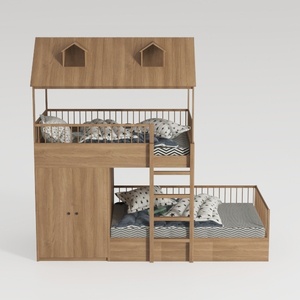

Solid Wood Kids House Bunk Bed With Cabinet Storage 3D Model

Minimalist Linen Upholstered Platform Bed With Nailhead Trim 3D Model
Looking to transform your space? Homestyler is your go-to online home design platform! With its user-friendly design tool, stunning 3D renderings, and a wealth of inspiring design projects and DIY video tutorials, you can effortlessly visualize and create your dream home today!
Design Now for FREE
































