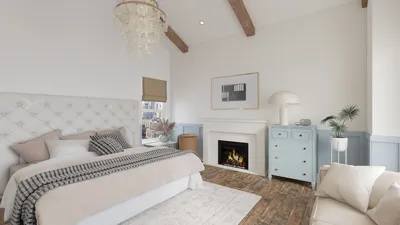


In a 9x10 bedroom, every detail must serve a purpose, requiring strategic planning to maximize functionality. First, I focus on circulation—how to enter the space, navigate it, and access storage—before enhancing comfort, illumination, and texture. In compact environments, even a slight error in measurements can lead to inconvenience. Achieving the right proportions is key to creating a serene atmosphere that avoids compromise.
Effective space planning is grounded in data. The WELL v2 standard advocates for sufficient clearances to allow for ease of movement and safety, with its lighting guidelines emphasizing the importance of balanced brightness and glare management to alleviate eye strain and promote better sleep patterns. Research from Steelcase highlights the positive effects of environmental control and ergonomic design on concentration and overall wellbeing. These criteria are essential when making decisions in small bedrooms as every choice carries significant weight. For layout testing, I utilize a room design software tool to ensure proper clearances and sightlines: Homestyler. To evaluate overall design performance, the WELL v2 resource acts as a valuable reference.
Lighting is essential. The Illuminating Engineering Society suggests that task lighting needs to offer appropriate vertical and horizontal brightness while controlling glare. Combining a warm ambient light source (ranging from 2700 to 3000K) with adjustable bedside task lamps and a focused reading light provides visual comfort while eliminating harsh light spots. Low-profile ceiling fixtures equipped with high CRI bulbs ensure color accuracy for a room’s textiles and decor elements.
Maximize the Bed Wall
I consider the bed as the focal point of the room. In a space measuring 9x10, a full or queen bed can be accommodated if you maintain at least 24–30 inches of circulation on one side. Centering the bed on the shorter wall creates balance, while an upholstered headboard introduces acoustic cushioning and texture. Opting for floating night shelves instead of traditional nightstands conserves floor space, allowing for sconces on each side. If storage is limited, choosing a platform bed with integrated storage drawers can efficiently replace a dresser.
Select Scaled Furniture
Compact spaces call for furniture that appears light and airy. I favor beds designed with slender rails, open bases, and rounded edges to mitigate visual weight. A dresser that is 12–16 inches deep and tall, rather than wide, preserves storage capacity without overcrowding the circulation paths. In extremely small rooms, having a single wardrobe along with under-bed storage proves more practical than multiple smaller units. Always verify the actual swings of doors and the reach of drawers before finalizing your choices.
Create a Versatile Layout
When a room serves multiple purposes—sleeping and studying—a wall can host a compact desk (varying from 12–18 inches deep) accompanied by a wall-mounted monitor and a foldable chair. Ensure that the desktop remains clear of the bed’s pathway to prevent nighttime disturbances. If contemplating different orientations for the bed and desk clearance, a layout simulation tool, such as Homestyler, allows for quick scenario evaluations.
Use Color to Influence Perception
Employing color psychology, I recommend lighter, desaturated hues to create an illusion of greater space. Soft off-whites, gentle grays, and airy blue-greens can elevate the ceiling’s appearance when complemented with a slightly darker tone on the bottom third of the walls. For a subtle gradient effect, I often paint doors and trim in a satin finish that is one shade lighter than the walls. High-chroma accents should be kept to a minimum—one throw or a decorative pillow set can suffice to avoid clutter.
Manage Light and Glare
The choice of window treatments is crucial. Layering sheer drapes for daylight and blackout shades for the night stabilizes circadian rhythms and minimizes early morning glare. Bedside lamps should feature opaque shades positioned slightly above eye level to reduce the view of the bulb directly. Dimmer controls facilitate a smooth transition from active tasks to winding down.
Enhance Acoustic Comfort
Small rooms can often feel overly reflective and boxy. I incorporate soft elements such as a rug with an underlay, an upholstered headboard, and lined curtains to dampen sound. For those living in noisy environments, adding weatherstripping around doors and windows along with a solid-core door can help minimize sound intrusion. Additionally, utilizing a small, quiet fan or white noise machine can effectively mask distracting sounds without overwhelming the space.
Invisible Storage Solutions
The goal is to maintain clear surfaces. Implement under-bed drawers, lift-top storage solutions, and shallow cabinets placed above the bed fitted with soft-close hardware to store seasonal items neatly. I often install a slim wall shelf above the headboard for books and art, aligning it with the wall studs. Closet interiors benefit from double hanging systems for shorter articles plus a high shelf for storage bins, complemented by a pull-out tray for shoes instead of loose pairs. Using uniform storage boxes and labels can significantly reduce visual clutter.
Selecting Light, Fabric, and Material
It's important to choose honest, low-maintenance materials. Opt for breathable linen or cotton bedding, and wool throws that provide warmth without excess bulk. Using matte wall paints helps minimize glare. For floors, a low-pile rug with a subtle design can visually extend the room's space. If allergies are a concern, selecting closed cabinetry over open shelving can aid in trapping dust buildup.
Prioritizing Ergonomics in Limited Spaces
The ideal bed height ought to be between 18–24 inches to simplify getting in and out. Frequently used drawers should be situated between mid-calf and waist height to minimize bending. In a workspace setup, ensure the chair height aligns with the elbows and that the monitor is positioned at eye level. A rounded desk edge helps to alleviate pressure on forearms during use.
Adopting a Vertical Strategy
Utilize vertical space to reduce floor clutter. Installing wall hooks behind the door for bags or robes can be beneficial. A ceiling-mounted curtain track can draw drapes up, creating an illusion of height. Moreover, consider implementing a slim picture ledge along the longer wall to display decor without interrupting circulation.
Controlling Light Temperature and Evening Routines
I maintain a warm atmosphere in the evenings with 2700K bulbs that exhibit a high CRI to reduce color distortion and prepare the mind for rest. Cooler light (3500–4000K) is designated for morning activities, like making the bed or getting dressed. Utilizing two separate circuits for ambient and task lighting allows the space to shift its mood without the need for replacement fixtures.
Establishing Visual Rhythm and Balance
Tiny spaces thrive on a gentle rhythm: harmonious materials, subtle contrasts, and aligned edges. Keeping artwork in a single horizontal line and maintaining a consistent metal finish across hardware and lamps fosters visual unity. Symmetry around the bed cultivates tranquility, while a thoughtful asymmetry can be effective when paired with consistent color palettes.
Personalization that Avoids Clutter
My preference leans towards one prominent piece—be it a framed photograph or a textile—rather than a multitude of smaller items. A singular upright plant, such as a sansevieria, can enliven the space and improve perceived air quality without taking over the area. Mirrors should be placed thoughtfully, ensuring they do not directly face the bed; instead, they should be used to reflect light from the window into darker corners.
Small Adjustments, Significant Enhancements
In a 9x10 layout, even minute adjustments are crucial: offsetting the bed 2–3 inches to access outlet plates, choosing low-profile baseboards, centering the ceiling fixture above the bed rather than in the center of the room when the door is off-axis, and positioning the largest drawer units toward the room's most inactive corner can enhance flow near the entrance.
Frequently Asked Questions
A full-size bed is typically the safest and most accommodating option. A queen can fit, provided there’s at least one circulation lane measuring 24–30 inches and the use of slim night shelves in place of bulky nightstands.
Incorporate layered lighting elements: warm ambient lighting (2700–3000K), adjustable bedside task lamps, and blackout shades. By controlling glare and regulating light levels, one aligns with the principles advocated in the WELL v2 and IES guidelines.
Light, desaturated colors, including soft off-whites, light grays, and airy blue-greens, help create the illusion of more space. It’s advisable to keep vivid accents sparse to maintain visual clarity.
Using a shallow desk (12–18 inches) positioned along the longer wall, ensuring the chair can clear the bed’s reach, and wall-mounting the monitor can maximize usability. Confirming clearances using an interior layout planner, like Homestyler, helps to avoid unexpected adjustments later on.
Opt for under-bed drawers or a lift-top storage foundation, a slim, tall dresser, and a double hanging system in the closet. Over-bed cabinets should be shallow and carefully aligned with the wall studs.
Incorporating an upholstered headboard, a rug with padding, and lined curtains will help reduce echoes. For areas with considerable noise exposure, consider weatherstripping and opting for a solid-core door to block sound effectively.
Mirrors serve as excellent tools for reflecting light, especially if positioned across from a window, but should not be directly facing the bed. Use them to create a light-filled ambiance in the space.
To facilitate ease, maintain a bed height around 18–24 inches, arrange frequently accessed drawers between knee and waist height, and align the desk for ergonomic comfort with respect to elbow and eye levels.
Layer sheer curtains for light diffusion during the day and use blackout shades for nighttime. Hanging the curtains high can elevate the perceived height of the room while preventing light leaks by ensuring a tight fit at the edges.
Limit decorative items to one impactful piece and adhere to a cohesive color scheme. Employ uniform storage boxes labeled appropriately and include a single upright plant to inject personality without cluttering the space.

Minimalist Solid Oak Platform Bed Frame 3D Model
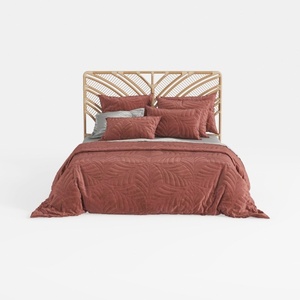

Rattan Boho Bed with Velvet Bedding 3D Model

Minimalist Scalloped Fabric Solid Wood Storage Bed 3D Model
Homestyler is your go-to online home design platform, perfect for transforming your interior ideas into reality. With an easy-to-use design tool, stunning 3D renderings, inspiring design projects, and helpful video tutorials, it's never been simpler to create your dream space.
Design Now for FREE
































