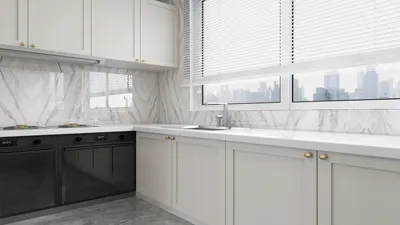


I view each function hall as a dynamic entity, capable of seamlessly transforming from a keynote speech setting to a gala dinner or a product launch while maintaining its coherence and comfort. The best function halls create an effortless experience for guests and empower organizers by integrating spatial flexibility, lighting options, acoustics, and intuitive movement patterns into a cohesive story. Utilizing tools like Homestyler can enhance this design approach.
The concept of adaptability goes beyond being a mere trend; it is a crucial performance metric. According to Gensler’s 2023 Experience Index, over half of the participants indicated that flexible space configurations greatly elevated their event experience. Furthermore, research by Steelcase correlates environments designed for easy transitions with increased productivity and satisfaction during gatherings. The WELL v2 standard emphasizes that improved spatial comfort, noise control, and lighting quality contribute to attendee engagement and well-being. For optimal light levels, I aim for illuminance ranging from approximately 300 to 500 lux for general activities, and higher ranges of 750 to 1,000 lux at focal points, ensuring dimming capabilities for dining or performances to facilitate a smooth transition without glare.
Colors significantly influence mood and memory. Insights from Verywell Mind on color psychology suggest that warmer tones encourage social interactions, while cooler shades are better for focused tasks. I align this understanding with the event's purpose by establishing a versatile neutral foundation and then adding event-specific elements like lighting color temperature, table linens, and digital content colors to shape the atmosphere. The aim is to design a flexible hall that serves as a canvas, while still maintaining its brand or venue identity across various functions.
Design Principles That Enhance Function Halls
Prioritizing scale and proportion is essential. I create a distinct spatial rhythm—introducing an element of surprise upon entry, a spacious reveal on the main floor, and carefully managing ceiling heights to enhance acoustics. Employing a versatile seating and staging grid enables swift and consistent operations. For event layouts, I utilize modular furniture and movable infrastructure, such as retractable partitions, power floor boxes at grid points, and ceiling rigging options to ensure that audio-visual setups remain unobtrusive. In planning various configurations like banquets, classrooms, or theater styles, I often use layout simulation tools, including designs offered by Homestyler, to test adjacency and aisle widths, ensuring optimal sightlines and service routes.
Illumination: A Layered, Dimmable, and Flexible Approach
Lighting plays a crucial role in setting the atmosphere and directing focus. I incorporate three layers of lighting: ambient (providing a uniform, low-glare background), task (focusing on areas like podiums and registration), and accent (enhancing stages and centerpieces). Dimming capabilities should be smooth and flicker-free across different setups, with tunable color temperatures ranging from about 2700K for a warm gala feel to about 4000K for a crisp corporate environment. Following IES guidelines, I minimize veiling reflections and direct glare by pairing wide-beam downlights with asymmetrical wall washers and dedicated track fixtures, ensuring all emergency egress lighting remains fully compliant with safety regulations.
Acoustic Comfort and Clarity in Speech
Function halls often face challenges such as echo and unclear speech. I aim to achieve an ideal RT60 (reverberation time), typically ranging from 0.8 to 1.2 seconds for speech-oriented events held at moderate volumes. This involves using a combination of sound-absorbing ceilings, fabric-wrapped wall panels at first reflection points, and well-placed diffusers in audience areas. Installing carpets in main thoroughfares and under tables minimizes foot noise, while sound isolation for mechanical rooms and low-Sones ventilation makes a significant difference. For halls that can be divided, it’s crucial to ensure that acoustic seals on operable walls provide proper lab-rated STC certification and performance.
Flow, Backend Logistics, and Service Management
A remarkable guest experience often relies on elements they’re unaware of. I design dedicated service corridors to keep catering, AV setups, and staging out of sight from guests. Double-door loading access minimizes sound leakage. Separating pre-event processes, such as registration and sponsor areas, from the main entry ensures clear pathways with appropriate signage. Ample queuing zones are provided to promote smooth movement. When accommodating larger crowds, I plan for alternative egress paths to prevent congestion at bars or buffets by allowing 5-6 feet for circulation behind service lines.
Seating Methods That Harmonize Capacity and Comfort
While theater-style seating maximizes density, I prioritize comfort and accessibility. I maintain a minimum of 36 inches between rows for legroom in everyday settings, adjusting to 40-42 inches for VIP experiences. For banquet arrangements, I utilize 60-inch tables, accommodating 8 guests comfortably, while 72-inch layouts can seat 10-12 but require wider aisles. Classroom configurations benefit from narrower tables (18-24 inches deep) to enhance visibility and minimize space use. I keep central aisles at approximately 6 feet wide and side aisles at 4 feet for efficient movement, verifying stage visibility from the last row during prototype testing.
Color, Materials, and Brand Representation
I select a restrained color palette for permanent fixtures—timeless and robust materials that subtly frame the ambiance and decor. Durable flooring, scuff-resistant wall systems, and acoustic plaster ceilings reduce maintenance burdens. Accent colors are carefully introduced through programmable lighting, temporary graphics, and textiles. I consider color psychology: subdued blues and greens for focused conferences; deeper ambers and plums for celebratory events. Sustainability is paramount, with low-VOC finishes, FSC-certified woodwork, and recycled materials aligning with WELL v2 standards to maintain air quality and reduce lifecycle costs.
Stage Design, AV Integration, and Sightline Considerations
The positioning of the stage is influenced by logistical needs for setup, rigging access, and audience layout. For award ceremonies and galas, centering the stage within symmetrical arrangements enhances visibility, while a thrust stage integrates energy into tech events. Screen sizes should correlate with depth: as a guideline, the furthest viewer should be no more than six times the height of the screen to ensure presentation clarity. I prewire the ceiling for DMX and power, install blackout features, and plan for acoustic isolation around projection areas as necessary. Integrating confidence monitors for speakers and incorporating ramps on stage improves overall accessibility and flow.
Human Factors and Accessibility Considerations
Universal access is fundamental, not an afterthought. I ensure wheelchair-accessible seating is available in multiple sections, offer low-height registration counters, tactile navigation aids at critical junctions, and quiet rooms for sensory relief. Ergonomics are also vital for staff, with adjustable-height lecterns, anti-fatigue mats in serving areas, and safe turning radii for service carts. Clear pathways and unobstructed sightlines minimize cognitive strain, allowing guests to navigate easily, even during busy events.
Natural Light, Views, and Light Control
In venues with windows, I leverage natural light as a valuable asset. Installing motorized shades with sheer and blackout options deflects glare from screens while allowing for pleasant views during receptions. Tunable electric lighting supports circadian comfort during lengthy events; WELL v2 highlights glare control and visual comfort as integral to overall wellness. In spaces with minimal daylight, I simulate depth using wall washing, layered cove lighting, and luminous ceilings to avoid the flat, overly bright box effect.
Operational Efficiency: The Unseen Element
Functionally efficient halls facilitate quicker turnarounds and accommodate more events. I strategically position storage areas adjacent to main doors for swift furniture changes, integrate charging at seating areas, and use durable wheels on furniture to protect flooring during resets. Incorporating RFID or QR-coded inventory systems allows coordinators to manage decor and staging effectively. Additionally, engineering routes for mechanical noise, smell from catering, and disposal minimize their impact on the guest experience. Generous tech closets are essential for patch panels, backup networks, and accessible conduits for future technological developments.
Playbook for Layouts: From Banquet to General Sessions
For rapid format changes, I maintain consistent anchor points—stage, screen placements, and primary bar—while adjusting seating and sponsor arrangements. Banquet setups create social clusters of 6 to 8 tables, while plenary configurations emphasize unblocked sightlines and central aisles for efficient boarding. VIP lounges are positioned near stage entrances while ensuring visual privacy. To test different layouts and service paths, I utilize an interior layout planner, like Homestyler, which allows teams to visualize sightlines and routes efficiently.
Investing Wisely: Cost, Value, and Future-Proofing
Invest in areas that yield compounding benefits: soundproof materials, flexible lighting systems, power/data infrastructure, and high-quality operable walls. These enhancements expand the hall’s appeal—accommodating everything from intimate workshops to larger hybrid events—thereby improving occupancy and client loyalty. It’s also wise to incorporate extra capacity in rigging and electrical frameworks to accommodate advancements in AV technology over time. Standardizing furniture designs simplifies storage and operational demands. In the long run, your adjustable systems will provide better return on investment compared to ostentatious but rigid designs.
Benchmarking and Research References
- The Gensler Research Institute provides insights into flexibility and the quality of experiences (gensler.com/research).
- Steelcase offers research confirming the benefits of adaptable spaces on overall productivity and attendee satisfaction (steelcase.com/research).
- WELL v2 guidelines focus on improving visual and acoustic comfort (wellcertified.com).
- IES sets forth standards regarding illuminance and glare management in event spaces (ies.org/standards).
- An overview of color psychology assists in refining color strategy (verywellmind.com/color-psychology).
Frequently Asked Questions
It is advisable to plan no fewer than three programmable lighting scenes for each event type—arrival, main program, and dining/after-event—with a gradual dimming range of 1-2% at low settings and adjustable white light from approximately 2700K to 4000K. This layering of ambient, task, and accent lighting ensures the venue can seamlessly transition its atmosphere without needing to readjust each fixture every time.
For medium-sized venues that primarily host speech events, strive for an RT60 of around 0.8 to 1.2 seconds. Combine acoustically absorbent ceilings, wall panels at first reflection points, carpeted aisles, and diffusers to achieve a balance between clarity and fullness of sound.
While theater seating maximizes attendance, ensure a minimum of 36 inches between rows and 6-foot wide aisles to maintain comfort and ease of movement. For banquets, opting for 60-inch circular tables accommodates 8 guests to prevent elbow conflicts and supports better service.
Keep the distance from the furthest seat at a maximum of 6 times the height of the primary screen and elevate the stage as necessary. In flat rooms, consider gentle risers beyond the midpoint and avoid over-tall centerpieces that could obstruct views.
Utilizing sound-absorbing plaster or mineral fiber ceilings, fabric-covered wall panels, high-density carpet tiles with padded backing, and resilient wall finishes. Selecting low-VOC materials contributes to air quality initiatives aligned with WELL v2.
Arrange for dedicated service pathways featuring double-door access to the venue, with close proximity to storage and catering areas and soundproof doors. Ensure trash disposal, load-in, and AV paths are separate from visitor access to maintain the cleanliness of the guest experience.
Indeed, temperature shifts in lighting significantly influence both mood and brand alignment—using warmer tones for gala events and cooler-neutral tones for corporate settings. Adjustable lighting systems reduce the need for rental equipment and expedite transitions between contrasting events.
Essentially prewire ceiling grids for power and data, include spare conduits, and specify high-capacity rigging points while centralizing patch panels for easier management. Designate tech closets for simple access and thermal regulation to accommodate future equipment upgrades.
Employ dual shades—sheer for glare reduction and blackout for total control—alongside bright, color-consistent stage lighting. Adjust projection intensity based on ambient conditions and add external wall washing to maintain visual depth when shades are engaged.
Store frequently used furniture in the closest available spaces, organizing them on labeled carts and standardizing table and chair designs. Ensure robust floor protection and clear pathways to minimize setup duration and prevent damage during transitions.
Monitor turnover durations across layouts, average sound levels during events, accuracy of lighting scene recalls, guest satisfaction feedback, and diversity in booking types. These indicators are closely related to the overall quality of experience and associated revenue.
This approach accelerates decision-making by validating aisles, sightlines, capacities, and service pathways prior to finalization. Utilizing a room design visualization tool like Homestyler allows stakeholders to visualize options early, avoiding costly last-minute adjustments on-site.
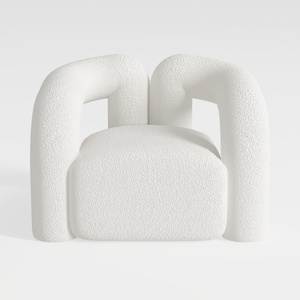
Minimalist Boucle Fabric Armchair Modern Unique Design 3D Model
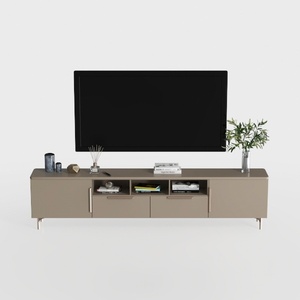
Modern Minimalist Solid Wood TV Stand Cabinet with Storage 3D Model

Looking to transform your home? Homestyler is your go-to online platform for home design. With its user-friendly design tool, stunning 3D renderings, diverse design projects, and helpful DIY video tutorials, you can effortlessly create beautiful spaces tailored to your style!
Design Now for FREE
































