

Having organized countless events ranging from corporate gatherings to elaborate weddings, I find that KBR Convention Hall in LB Nagar stands out as a highly adaptable venue serving Hyderabad’s eastern region. The location boasts excellent transit access and a burgeoning hospitality sector, making it a sensible choice for participants traveling from all around the city. My focus when designing events at this venue revolves around essential aspects like capacity limits, traffic flow, acoustic zoning, and maintaining clear sightlines, all of which serve as the backbone of successful events.
Two vital considerations define my planning strategy. Firstly, audience comfort heavily relies on effective acoustic management; research by Steelcase indicates that noise and disturbances are significant factors harming knowledge work efficiency, directly affecting fatigue and attention among conference participants. Secondly, ensuring quality lighting is crucial: according to IES guidelines, multipurpose assembly spaces should achieve horizontal illuminance levels between 300 and 500 lux, while vertical illuminance for faces needs to be higher to enhance photography and clarity during discussions. At KBR, it’s important to design your lighting and audio setup to meet these benchmarks, especially for significant occasions like keynotes and ceremonies.
Considering well-being factors is critical for maintaining event energy levels. The WELL v2 framework emphasizes that managing glare, ensuring appropriate color rendering, and providing clean air substantially enhance occupant comfort. For banquet setups, I typically aim for color temperatures between 3000 and 3500K to create a warm atmosphere, whereas panel discussions and main sessions benefit from lighting in the range of 3500 to 4000K to enhance visibility without feeling overly clinical. These parameters assist photographers and AV teams in preserving natural skin tones and reducing the need for extensive post-editing.
Capacity, Flow, and Zoning
The versatility of KBR Convention Hall is evident in its flexible hall configurations and spacious pre-function areas. Before finalizing a layout, it's essential to chart three key pathways: entry and registration traffic, food and beverage flow, and emergency exits. It's advisable to maintain aisle widths of 1.2 to 1.5 meters for dining tables and increase to about 1.8 meters near the stage to accommodate camera equipment and high foot traffic. For weddings catering to 500 to 800 guests, divide the hall into distinct areas for the ceremony, dining, and photo opportunities to prevent congestion at the buffet and enable photographers to capture images without interruption.
In the context of conferences, maximizing sightlines is crucial for seating arrangements. Keep the front row approximately 1.5 to 2 times the height of the stage from the front edge and ensure that no seat is positioned more than 30 degrees off-axis from the speaker. To explore the effectiveness of parallel versus fan-shaped seating, a quick assessment using an interior layout planner can help you visualize viewing angles, screen visibility, and ADA compliance. Utilize the room layout tool for experimenting with seating arrangements and aisle placements: room layout tool.
Lighting Strategy and AV Integration
In venues like KBR where multiple events occur, light layering plays a pivotal role in setting the atmosphere and influencing photography quality. Start with a base of consistent ambient light around 300 to 400 lux, then complement it with accent lighting on floral arrangements or stage backgrounds, and add vertical lights at the lectern for camera support. Using fixtures with a CRI over 90 ensures accurate color rendering for décor and garments. To avoid glare affecting projection screens, angle spotlights properly and use baffles, ensuring that fixtures do not create a direct line into attendees' eyes.
For audio-visual components, partition the sound system into specified zones: stage, audience, and pre-function areas. Position subwoofers away from stage corners to mitigate bass buildup. Experiment with different microphone types—cardioid for lectures and lavaliers for mobility during panels—and establish a straightforward soundcheck protocol. Remember that Steelcase's research indicates a connection between distraction and cognitive load; maintaining stable audio levels can significantly reduce mental strain and keep audience engagement high.
Acoustics and Speech Intelligibility
Large halls with hard surfaces can lead to excessive reverberation. To combat this, I incorporate fabric backdrops, carpet runners, and cushioned seating areas to absorb mid to high-frequency sounds. Aim for a reverberation time (RT60) of around 0.9 to 1.2 seconds during speeches; you will notice an instant improvement in clarity. For venues with high ceilings, consider adding acoustic banners or drapery along the back wall to diminish fluttering echoes. Position the stage to ensure that loudspeakers distribute sound evenly across the audience, avoiding noisy spots near columns or glass.
Seating Plans for Weddings, Conferences, and Expos
For weddings: arrange banquet tables for groups of 10 to 12 to foster social interaction without hindering service routes. Leave 1.5 meters between table edges for staff maneuverability, and design a 3 to 4-meter dance floor near the stage to enhance visibility and ensure safe cable placements.
For conferences: a theater-style setup maximizes seating density; intersperse wider aisles every 10 to 12 seats for comfort. Reserve a front row for VIPs and speakers to facilitate smooth transitions and lessen crowding on stage.
For expos: create a grid layout featuring 3 to 4-meter aisles and anchor booths against the perimeter walls to eliminate bottlenecks. Optimize orientation by ensuring the entrance view leads toward key exhibitors and service desks, reducing decision-making time.
Wayfinding, Accessibility, and Safety
Effective wayfinding at KBR involves layered cues such as overhead signs, floor decals, and staff stations positioned at crucial decision points. Registration should be conveniently located near the main entrance, with queuing lines directed away from security exits. Ensure paths comply with ADA standards, maintaining a minimum width of 1.2 meters, including ramps for stage access and clearly marked companion seating areas. Emergency exits need to be readily visible and should not be obscured by decorations.
Material Choices and Décor Logic
For high-traffic events, it's essential to select durable materials: opt for stain-resistant table linens, flame-retardant drapery, and modular staging with slip-resistant surfaces. Utilizing warm neutral color palettes can help soothe the environment; according to Verywell Mind’s color psychology, hues like blue and green can promote calmness and focus—ideal for conference signage and lounges, while the use of warm whites and gold accents elevates the celebratory atmosphere for weddings.
Catering Layouts and Service Efficiency
Organize buffet stations parallel to main traffic pathways to minimize congestion. For events with over 600 guests, create two mirrored buffets with designated dessert or beverage stations. Ensure bussing routes remain behind seating arrangements and incorporate water stations around the perimeter. If live food stations are included, allocate at least 2 meters of service depth and shield from primary audio-visual cabling.
Power, Rigging, and Vendor Coordination
It is critical to finalize power distribution early—dedicate circuits to stage lighting, sound equipment, catering operations, and registration services. Maintain cable trays along the hall's edges and avoid placing cables across major aisles. If rigging is permitted, carefully plan truss positioning to steer clear of HVAC systems and fire sprinklers. Distribute a master schedule to vendors detailing delivery windows, soundchecks, and rehearsal timelines.
Sustainability and Post-Event Efficiency
Utilize LED lighting, reusable décor elements, and rental tableware to foster sustainability. Provide clearly separated waste stations for organic, recyclable, and landfill disposal near catering exits. Encourage the use of digital programs and QR codes for access to schedules, thus minimizing paper waste. Coordinate the teardown process at the night’s end, ensuring that load-out routes carefully consider the protection of hall finishes and endeavor to lessen overtime costs.
I rely on various benchmarks and guidelines, such as IES recommendations on illuminance levels for assembly spaces and Steelcase research addressing distraction and cognitive load impacts in group settings. For more information, explore the IES standards and Steelcase research.
FAQ
Q1: What guest capacity should I plan for at KBR Convention Hall?
A1: Aim for different tiers: 400 to 600 for comfortable banquets, 700 to 900 for theater-style conferences, and varied expo layouts based on booth sizes. Always verify the exact specifications with venue management.
Q2: How much lighting is necessary for a keynote or wedding stage?
A2: Focus on achieving ambient lighting of 300 to 400 lux and add targeted face lighting at the stage. Ensure that CRI remains above 90 for accurate skin tones and color fidelity, as recommended by IES lighting guidelines.
Q3: How can I ensure sound clarity in a spacious hall?
A3: Implement zoned audio, add soft materials to reduce echo, and target a reverberation time of 0.9 to 1.2 seconds for clear speech. Conduct methodical soundchecks with the MC and panelists in advance.
Q4: Which seating arrangement is optimal for mixed events?
A4: Employ fan-shaped seating for conferences to enhance sightlines; for weddings, opt for round tables seating 10 to 12 with 1.5-meter aisles to balance intimacy and service flow.
Q5: What strategies can I utilize to lessen guest fatigue during full-day conferences?
A5: Manage noise and glare, plan for breaks, integrate comfortable lounge areas, and keep color temperatures between 3500 and 4000K to maintain alertness without stressing the eyes. Steelcase’s findings link distraction to cognitive load—consistent AV setups are beneficial.
Q6: What is the best approach to plan traffic flow?
A6: Separate pathways for entry/registration, food and beverage service, and exits. Ensure aisles are 1.2 to 1.5 meters wide, widening near stages. Visualize options using a layout simulation tool to identify potential bottlenecks: room layout tool.
Q7: Which colors are suitable for corporate versus wedding events?
A7: Corporate functions benefit from cool tones such as greens and blues for enhancing focus, while weddings typically incorporate warm whites, blush pinks, and golden accents to evoke a celebratory ambiance. Always ensure high-CRI lighting to accurately represent color schemes.
Q8: How should vendors synchronize rigging and power needs?
A8: Designate dedicated circuits for audio-visual systems, lighting, and catering services; ensure truss placements are free of HVAC and sprinkler systems. Provide a comprehensive timeline covering deliveries, soundchecks, and teardown activities to all vendors.
Q9: Is there a recommended buffet setup for accommodating large guest numbers?
A9: Implement two mirrored buffet lines complemented by separate stations for beverages and desserts, ensuring that bussing areas remain behind seating. Allocate a minimum of 2 meters of service depth for interactive food stations.
Q10: What sustainable practices are appropriate for a convention hall event?
A10: Incorporating LED lighting, using reusable décor elements, renting tableware, establishing segregated waste stations, and promoting digital programs helps to significantly reduce resource consumption and waste while maintaining a welcoming atmosphere.


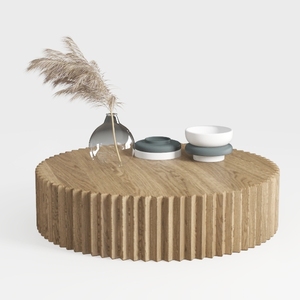
Modern Marble Brass Solid Wood Nesting Coffee Tables 3D Model
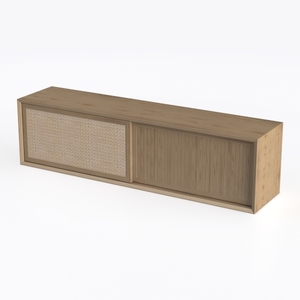
Minimalist Oak Rattan TV Cabinet 3D Model
Looking to transform your home effortlessly? Homestyler is the ideal online design platform that empowers you with user-friendly tools for creating stunning spaces. Enjoy seamless 3D rendering, a vast array of design projects, and informative video tutorials to bring your vision to life. Start designing today!
Design jetzt kostenlos
































