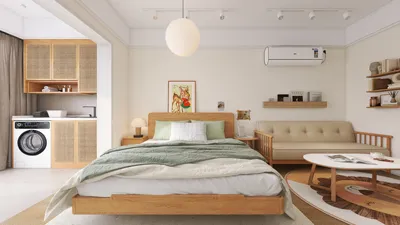


Creating an energy-efficient small house is not merely about making sacrifices; it emphasizes smart decision-making. My approach involves adopting compact designs, utilizing passive methods, and implementing adaptable layouts that maximize the utility of every square inch. In scenarios where space and energy resources are limited, aspects like maximizing daylight, zoning for thermal comfort, and making strategic material selections are essential to achieving comfort and efficiency. Leveraging tools such as Homestyler can greatly assist in visualizing these design elements.
The importance of measurable outcomes cannot be overstated. The WELL v2 framework advocates for ample natural light and effective glare management since well-regulated daylight positively influences circadian health. By combining daylight access with low-glare surfaces and task lighting at a brightness of 300–500 lux, visual comfort can be upheld. Research from Gensler shows a consistent correlation between natural views, daylight, and overall satisfaction in workplace settings—insights I adapt for residential projects. I follow IES standards for appropriate lighting levels and glare reduction to ensure optimal conditions for ambient and task lighting. Furthermore, WELL guidelines highlight the significance of adequate ventilation, effective filtration, and moisture control to mitigate air pollutants and mold risks.
To achieve energy savings, one must emphasize behavioral patterns alongside building science. Research from Steelcase shows that environments tailored to human behavior enhance wellbeing and productivity. This emphasizes that energy-efficient homes should prioritize livability rather than solely focusing on energy consumption. The WELL v2 also outlines specific requirements for maintaining thermal comfort, ventilation efficiency, and sound thresholds, ensuring that energy efficiency does not compromise quality of life.
Compact Designs, Major Impact
For small homes—ranging from 450 to 1,200 square feet—the building envelope is crucial. A high-performing shell characterized by airtightness, consistent exterior insulation, and meticulous vapor controls can significantly reduce heating and cooling demands. My goal includes stringent air sealing, verified through blower-door tests, and a logic-based approach to window-to-wall ratios; I position larger windows on sides exposed to solar gain while utilizing deeper overhangs, and narrower openings where wind exposure is strongest. Glass windows that are double or triple-pane with low-emissivity coatings cater to local climate requirements, and thermally broken frames help to prevent condensation and energy loss.
Utilizing Passive Solar and Thermal Zoning
Spaces should be oriented to capture optimal sunlight during the winter while offering shading in the summer months. Heat should be stacked wisely, with living areas situated on the sunny side and bedrooms where cooler air promotes better sleep. I typically design two or three thermal zones: public areas designed for the daytime, private bedrooms for night, and a utility/service area. This organization allows for optimal temperature settings and minimizes reliance on active heating and cooling systems. In arid climates, incorporating thermal mass such as polished concrete can moderate temperature fluctuations, while lightweight assemblies are preferred in humid regions to ensure quick drying and prevent moisture retention.
Innovative Layouts to Optimize Usable Space
Effective small home design hinges on multifunctional spaces. I often use sliding partitions that transform an office into a guest room, and pantries that serve as laundry zones; window bays can merge seating with storage. When considering layout options, utilizing a room layout tool like Homestyler enables me to assess circulation paths, clearances, and furniture dimensions before finalizing permanent structural decisions—ensuring optimal ergonomics and preventing cramped areas.
room layout tool
Lighting: Emphasizing Daylight, Enhancing Through Layers
Maximizing daylight minimizes energy consumption while supporting healthy circadian cycles when glare is properly controlled. I advocate for high-transmittance glazing paired with interior baffles and matte finishes to mitigate brightness contrasts. In living areas, I implement ambient LED lighting at 2700–3000K to provide warm evenings; task lighting is configured near 4000K, ideal for kitchens and workspaces. Additionally, dim-to-warm fixtures offer versatility, while IES illuminance targets ensure adequate light levels for reading, cooking, and hygiene tasks. Implementing motion sensors in transitional spaces, along with smart scheduling, reduces unnecessary energy use.
Understanding Color Psychology and Achieving Visual Harmony
Colors do more than merely beautify a space. Soft neutral tones with low reflectance help minimize glare, while accent colors can influence behavior: cooler shades in work areas promote focus, whereas warmer tones in communal areas foster relaxation. I employ rhythmic wall planes and maintain consistent datum lines to visually expand small rooms, creating an impression of higher ceilings in limited spaces. Reflective ceilings and light upper walls help disperse daylight throughout the area without introducing the harshness that high-gloss finishes often create.
Prioritizing Ergonomics in Limited Spaces
Compact designs necessitate thoughtful human-centric decisions. I establish counter heights at 36 inches, desks around 28–30 inches, and furnish flexible task seating to support proper posture. My design choices in storage—such as pull-out pantries, full-extension drawers, and 18-inch deep shelves—counteract wasted space and cumbersome reach. Door swings are optimized through the use of pocket or bifold doors when suitable, while adherence to egress and accessibility standards is upheld without sacrificing valuable floor area.
Ensuring Acoustic Comfort Without Bulk
Sound travels quickly in small dwellings. I apply layered acoustic treatments including resilient channels on shared walls, soft materials like rugs and upholstered furniture, and sealed door frames. Positioning mechanical systems away from bedrooms, plus decoupling laundry machines, minimizes disturbances during the night. The WELL v2 standards provide guidance on acceptable background noise levels, and operable windows feature compression seals to prevent outside noise from intruding during natural ventilation.
Sustainable Material Choices
Durable, low-VOC materials augment the longevity of a home while also reducing off-gassing. I opt for FSC-certified wood when possible, mineral wool for its fire and sound insulation properties, and tiles or countertops composed of high-recycled content. Finishes requiring minimal maintenance, such as limewash or clay plaster, develop character over time and decrease the frequency of replacements. Additionally, sourcing products locally and utilizing space-efficient mechanical systems help diminish embodied carbon. Incorporating water-efficient fixtures like 1.5 gpm faucets, dual-flush toilets, and high-efficiency washers promotes resource conservation without sacrificing functionality.
Mechanical Systems: The Right Size for Maximum Efficiency
Oversizing mechanical systems undermines efficiency. I prioritize heat pumps tailored to calculated load requirements, frequently utilizing ductless head units for open-concept areas and a compact ducted solution for closed spaces. Energy Recovery Ventilators (ERVs) achieve a balance of fresh air supply with minimal heat and moisture loss; filtration systems are tightly calibrated to MERV 13 levels where feasible. Implementing demand-controlled exhaust systems in kitchens and bathrooms curtails over-ventilation. Smart controls that respond to occupancy and temperature variations fine-tune performance without strict schedules.
Storage Serving as Structure
Built-in storage solutions function not only as storage but also as structural elements and sound dampeners. I favor floor-to-ceiling storage along the home's perimeter to keep circulation open. By integrating mechanical chases into cabinetry, utility zones become neat and accessible. Mezzanine lofts with open guardrails enhance the perceived spaciousness without adding floor area.
Financial Considerations, Phased Development, and Adaptability
When financial constraints arise, I recommend phasing upgrades: starting with the building envelope and air sealing, followed by windows and ventilation, then moving on to mechanical systems and interior finishes. This approach results in measurable energy savings after each phase, rather than committing to a substantial, high-risk investment all at once. Future planning should include provisions for rooftop photovoltaic systems, appropriately sized electrical panels for electric vehicle charging, and structural capacity for shading solutions or exterior trellises.
Checklist for Designing Small Energy-Efficient Homes
- Position major windows to enhance passive heat gains and apply seasonal shades accordingly.
- Create an airtight envelope with comprehensive exterior insulation and validated blower-door analysis.
- Implement layered lighting strategies: considering daylight, ambient sources, and task lighting that aligns with IES standards.
- Install zoned heating and cooling systems complemented by an ERV to ensure balanced ventilation.
- Use acoustic decoupling techniques in bedrooms, ensuring separation from living and service areas.
- Utilize low-VOC, durable finishes with a preference for local and high-recycled-content materials.
- Opt for furniture that incorporates integrated storage and consider sliding partitions for increased flexibility in function.
- Employ smart controls for lighting and climate systems that are attuned to the actual usage patterns of inhabitants.
FAQs
Q1: What's the minimum size for an energy-efficient home without feeling cramped?
A: Based on my observations, homes sized between 600 and 900 sq ft can feel spacious when designed with clear circulation paths, built-in storage solutions, and exposure to daylight from two sides. Employing visual rhythms along with sliding partitions creates functional spaces without necessitating the installation of additional walls.
Q2: What window strategies ensure energy savings while maintaining comfort?
A: Opt for high-performance glazing featuring selective low-e coatings, tactically size window openings according to their elevation, and incorporate exterior shading solutions. Strategically placing operable windows can also encourage cross-ventilation while including compression seals to minimize noise and air leakage.
Q3: What lighting levels are ideal for a compact layout?
A: Target ambient lighting levels of 150-300 lux in living spaces and 300-500 lux in task areas like kitchens and offices, following the guidance laid out by IES. Pair this with warm colors around 2700-3000K for comfortable evenings and cooler tones of 3500-4000K for concentrated tasks.
Q4: Are heat pumps effective for very small homes?
A: Indeed. Ensuring the heat pump is appropriately sized is critical; ductless mini-splits or small ducted systems with inverter technology can accommodate fluctuations in load efficiently. An ERV can complement the system by providing fresh air with minimal energy impact.
Q5: How can one mitigate noise in a compact design?
A: It’s essential to separate mechanical systems from bedrooms, deploy resilient channels on walls, use sealed doors, and specify softer finishes. Additionally, zoning specific activities—establishing quiet sleep areas apart from vibrant living spaces—helps to eliminate auditory conflicts.
Q6: What materials balance sustainability with durability?
A: Select low-VOC paints and finishes, wood certified by FSC, mineral wool insulation, and recycled-content materials for tiles or metals. Prioritize finishes that withstand wear and can be repaired locally to minimize the need for replacements.
Q7: What color strategies enhance comfort and spatial perception?
A: Utilizing neutral base colors with controlled reflectiveness minimizes glare, while cooler tones in work-oriented spaces foster concentration and warmer colors in social settings encourage relaxation. Vertical color blocking can visually increase perceived height.
Q8: How do smart controls contribute to energy savings without compromising comfort?
A: Implementing occupancy sensors and adaptive thermostats that adapt to user patterns will help optimize energy usage. Scene-based lighting offering dimming capabilities ensures only necessary light levels are utilized, with gradual adjustments to avoid stark transitions.
Q9: Is triple glazing necessary?
A: In colder climates or areas with high noise levels, triple glazing with thermally broken frames may be beneficial. In more moderate climates, high-quality double-pane low-e windows can offer comparable comfort and energy efficiency at a more economical price.
Q10: Where should I begin if I can't upgrade everything at once?
A: Prioritize improvements to air sealing and ventilation. Tightening the building envelope yields immediate energy benefits, while an ERV guarantees indoor air quality aligns with rising efficiency levels.
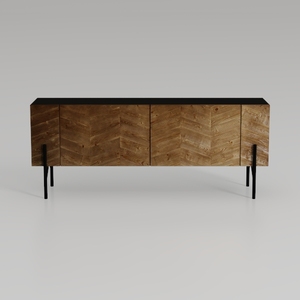
Modern Chevron Solid Wood Metal Sideboard 3D Model
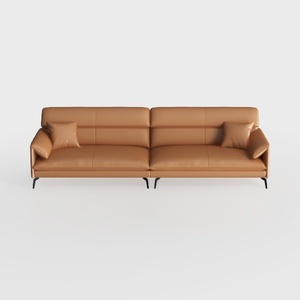
Modern Minimalist Tan Leather Living Room Sofa 3D Model

Modern Minimalist Solid Wood Metal Console Table 3D Model
If you're looking to transform your space effortlessly, Homestyler is your go-to platform! Its user-friendly online design tool allows you to craft stunning interiors, while its advanced 3D rendering brings your ideas to life. Explore inspiring design projects and insightful video tutorials to elevate your home design experience.
Design Now for FREE
































