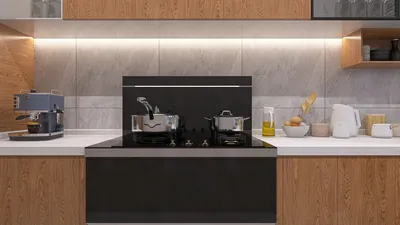


For over ten years, I have specialized in designing efficient food-and-beverage spaces, and I believe that excellent planning is essential, especially when working with tight budgets and limited space. A well-crafted small juice bar can create an unforgettable experience by utilizing smart zoning, versatile fixtures, and impactful finishes that are budget-friendly. Integrating tools like Homestyler can further enhance the design process.
Spaces must be optimized for functionality. In a compact area of 150 to 300 sq ft, achieving a clear service flow minimizes delays and congestion. Research from Gensler suggests that well-designed environments that facilitate natural movement can lead to improved efficiency, resulting in quicker service and increased throughput in customer-oriented venues. Effective lighting matters too; IES guidelines recommend maintaining 300 to 500 lux for task areas to ensure accuracy in food preparation while minimizing glare enhances comfort and brand perception. I focus on aligning counters and preparation spaces to ensure consistent lighting without overwhelming customers with overly bright sources. The WELL v2 framework underscores the importance of visual comfort and color accuracy; using high CRI (90+) lights ensures juices appear fresh and vibrant, free from visual distortion, enhancing overall appeal.
Subtle shifts in color can greatly impact purchasing behavior. Insights from Verywell Mind on color psychology show that warm tones can stimulate appetite, whereas cooler shades convey cleanliness. I favor using vibrant, saturated colors (like citrus yellow and leafy greens) for smaller elements—such as menus, trims, and stools—while keeping walls light and neutral to create a visually expansive atmosphere.
Optimize Your Micro-Workflow
Begin with a straightforward flow: entrance → order point → payment → pickup → exit. In tight spaces, I advise implementing a single-counter setup where the POS slightly deviates from the blending area to minimize cross-traffic. Utilizing tools like a simple room layout planner can help visualize queue lines, pickup ledges, and standing areas without causing crowding.
Counter, Equipment, and Preparation Zones
Maintain counter depths of 24-30 inches, incorporating a raised transaction rail to conceal any splashes. Position blenders on anti-vibration mats to minimize noise, since acoustic comfort is crucial in small environments. Ensure under-counter refrigeration is located near blenders to streamline workflow. If budgets are tight, consider a single under-counter fridge combined with a top-loading freezer, as this can be more economical than multiple reach-in options. It's essential to provide at least 36 inches of aisle space behind the counter to avoid collisions and allow two staff members to pass comfortably.
Budget-Friendly Lighting Solutions
Combine ambient and task lighting by using dimmable LED strips under shelves and within menu areas. Aim for around 300-500 lux in preparation areas and 200-300 lux in customer zones. Minimize the use of overhead downlights directly above the POS to prevent shadowing on customers' faces. I suggest a color temperature of 3000-3500K for customer areas, promoting warmth and hospitality, and 3500-4000K for preparation areas, ensuring a clean and crisp appearance. Matching lamp spectrums for accurate food color rendering is vital; high CRI LEDs ensure greens appear fresh, avoiding dullness. For more information on visual comfort standards, refer to WELL v2's lighting performance resources.
Material Selection: Prioritizing Cleanability
Cost-effective choices do not have to compromise durability. I recommend high-pressure laminate counters with post-formed edges, epoxy grout combined with ceramic tiles for splash walls, and slip-resistant flooring like vinyl or rubber in critical areas. Opt for matte finishes, as they better conceal scuffs compared to glossy ones. When displaying fresh produce, consider wire or perforated metal shelves to facilitate airflow and ease of clean-up.
Effective Storage Solutions
Maximize vertical space use. Install ceiling-mounted rails with S-hooks for utensils and utilize narrow 12-inch deep shelves for dry goods, alongside a locking base cabinet for cleaning supplies. Designate a 24-inch space for a pegboard near prep areas; modular pegs can easily adapt to changing tool requirements without necessitating new millwork. Clearly label bins with waterproof tapes to expedite restocking and inventory management.
Strategic Menu Display and Visual Flow
In compact bars, the menu acts as a central focus. Ensure that the text is large and readable, uses high-contrast colors, and is placed at eye level in the queue. I use a triad structure comprising a brand sign, the menu, and a feature board (showcasing seasonal blends). This sequence encourages customer movement forward and mitigates decision delays. For effective wayfinding, incorporate minimal iconography (such as gluten-free or vegan labels) to aid choices without creating visual clutter.
Promoting Acoustic Comfort
Blenders can be quite noisy. Incorporate absorbent materials wherever feasible: felt-wrapped ceiling baffles above the guest area, cork pinboard walls, and soft seating options can all contribute. Even small adjustments can significantly improve sound clarity and reduce noise levels, encouraging patrons to linger and order more.
Seating Arrangements: Encouraging Stand-Up Style
Micro bars excel with narrow ledges that are 12-14 inches deep along windows or perimeter walls. A few high stools are acceptable, but prioritize standing rails as they promote quick turnover and accommodate more people. Ensure clear pathways of at least 36 inches from entry to exit, and avoid backless benches, as they can obstruct flow.
Branding Touches Without Significant Costs
A distinctive element can have a more significant impact than numerous small gestures. A hand-painted fruit design behind the counter, a neon sign featuring the brand name, or a single vibrant door color can effectively convey brand identity. Balance these bold features with more subdued materials elsewhere to avoid visual chaos.
Emphasizing Sustainability and Energy Efficiency
Whenever possible, select Energy Star-rated appliances and utilize LED lighting throughout to minimize operational costs. Recycle fixtures such as refurbished stools and reclaimed shelves where it is safe and hygienic. Opt for durable finishes to lower maintenance and waste over time.
Maintaining Hygiene in Back-of-House Areas
Even in small bars, a hygiene protocol is essential: create distinct zones for raw produce, sanitized tools, and waste disposal. Install a lidded bin near the prep area and a separate container for organic waste. Keep sanitizing sprays and towels readily accessible, ideally mounted beneath a shelf to conserve counter space.
Cost-Efficient Construction Practices
Invest in areas where customers are likely to notice, such as front signage, lighting, and countertop finishes. Conversely, save costs on less visible surfaces: simple melamine interiors, basic boxed shelves, and paint-grade millwork are excellent choices. Using prefab menu boards, readily available LED strips, and standard-sized tiles hastens installation and cuts down on labor expenses.
Utilizing Color Psychology to Enhance Perception of Freshness
To emphasize a sense of freshness, I combine natural wood tones with white alongside one vibrant accent color like lime, mango, or berry. Studies indicate that warm colors can stimulate appetite while cool tones convey hygiene and tranquility; harmonizing these can foster a balanced emotional environment suitable for a juice-centric vibe.
Experiment with Layout Prototypes
• Single-wall bar: Counter and preparation area against one wall; queue situated on the opposite side. Ideal for extremely narrow environments.
• L-shaped layout: POS located at the shorter leg, preparation along the longer leg; pickup occurs at the corner to ensure smooth flow.
• Galley design: Two parallel counters—one for preparation, one for service—with a 36-inch aisle in between.
When exploring these configurations, use a layout simulation tool to validate clearances and customer navigation.
• LED task lighting with high CRI
• Anti-vibration pads for blenders
• Laminate countertops with a matte finish
• Ceramic tile splash zones with epoxy grout
• Narrow ledges for standing customers
• Pegboard systems for tools
• A distinct brand feature to stand out
Frequently Asked Questions
Q1: What optimal brightness level is required in the prep area?
A: Maintain a level of 300-500 lux on preparation surfaces utilizing high CRI LEDs. This aligns with standard IES task recommendations, ensuring color accuracy for produce is retained.
Q2: Which color temperature is most effective?
A: For preparation areas, utilize 3500-4000K for a clean and sharp ambiance, and 3000-3500K in customer spaces to create warmth. Ensure consistent CRI (90+) across all fixtures.
Q3: How can I minimize the noise from blenders?
A: Use a combination of anti-vibration mats, soft surfaces (like felt baffles or cork pinboards), and position blenders away from the queue line. A low partial-height barrier can deflect sound while maintaining visibility.
Q4: What layout maximizes efficiency in small spaces?
A: A single-counter setup allows the POS to be positioned away from the blender, reducing cross-traffic. Ensure a 36-inch aisle for staff, and keep under-counter refrigeration near prep areas for minimal movement.
Q5: Which cost-effective materials provide durability?
A: Consider high-pressure laminate counters, ceramic tiles with epoxy grout for splash protection, along with rubber or vinyl flooring options that offer slip resistance and longevity. Matte surfaces tend to conceal wear more effectively than glossy ones.
Q6: How can I create the illusion of a larger space?
A: Utilize light-colored walls, a continuous flooring finish, recessed lighting, and a carefully chosen restrained color palette with one bold accent. Mirrors can be effective, but should be used judiciously to prevent glare; position them opposite softer light sources.
Q7: What menu design promotes efficiency?
A: Ensure text is large, simple categories (such as greens, citrus, proteins) are clear, with high contrast and a featured seasonal mix at eye level. Minimize decision fatigue with clear dietary icons.
Q8: How can I maintain hygiene without ample storage space?
A: Clearly define micro-zones for raw produce, sanitized tools, and waste. Mount sanitizer and cleaning towels beneath shelves, provide lidded waste bins, and separate organic materials for pulp efficiently. Utilize labeled containers for quick access.
Q9: Are there wellness guidelines to consider?
A: WELL v2 highlights the importance of visual comfort and proper color rendering. Quality lighting, clean air, and easily sanitized materials contribute significantly to both employee comfort and guest satisfaction.
Q10: Where should I allocate spending versus potential savings?
A: Focus your budget on areas that customers interact with most: lighting, signs, and countertop aesthetics. Save on less visible spaces, such as basic storage interiors, stock-sized tiles, and simpler millwork options.
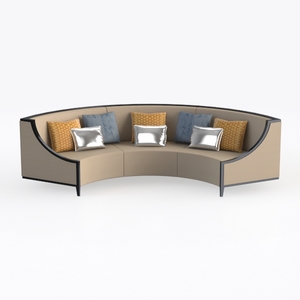
Modern Fabric Curved Sectional Sofa With Decorative Throw Pillows 3D Model

Minimalist Tan Leather L-Shaped Sectional Sofa 3D Model
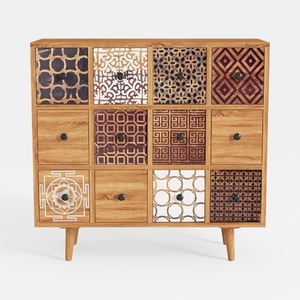
Bohemian Solid Wood Multidrawer Accent Cabinet With Patterned Fronts 3D Model
Homestyler is your go-to online home design platform, perfect for turning your decorating dreams into reality. With an intuitive design tool, stunning 3D renderings, and a wealth of DIY video tutorials, you'll find inspiration and ease in every project you tackle.
Zaprojektuj teraz za darmo
































