


Limited space doesn't necessarily mean you have to sacrifice efficiency or convenience in your laundry setup. Throughout the last decade, I have meticulously designed compact laundry spaces for studios, guest suites, and micro-apartments where every square foot counts. By utilizing the ideal stackable washer-dryer configurations, you can reduce your footprint by nearly 40% when compared to traditional side-by-side models, while enhancing workflow, safety, and aesthetics with better lighting, clearances, and sound insulation. Research by Steelcase suggests that optimizing the use of space greatly influences comfort perception and operational efficiency—these concepts can be effectively applied to laundry areas and utility closets in residential spaces, demonstrating a seamless integration with design principles (steelcase.com/research). Additionally, the WELL v2 standards pertaining to lighting and sound offer guidance on achieving optimal brightness and noise management, making compact service zones significantly more comfortable (wellcertified.com).
From an ergonomic perspective, it's ideal for the dryer door to be positioned between 42-48 inches above the finished floor—this ensures that reaching for items remains comfortable for your shoulders. The WELL v2 Light concept suggests a task illuminance of approximately 300-500 lux to ease sorting and handling tasks while minimizing eye fatigue, with IES advocating for glare reduction through diffused lighting and shielded sources (ies.org/standards). In my designs, increasing illumination from 200 lux to about 400 lux at folding surfaces has consistently decreased errors and accelerated sorting based on touch and color. For acoustic comfort, installing resilient underlayment beneath the laundry appliances and sealing gaps around plumbing can significantly reduce noise and vibration, creating a more serene environment during operation.
Plan the Area Wisely
Begin with precise measurements rather than relying on advertised dimensions. Account for door swings, venting routes, and necessary clearances. A typical stackable unit usually spans about 27-30 inches wide and 30-34 inches deep; when factoring in hoses and ventilation, allow for a depth of roughly 34-36 inches. I recommend a minimum rear clearance of 3 inches for utilities and 1 inch on the sides for air circulation. If you are installing in a closet, ensure that the height is at least 80-84 inches to accommodate the units, as well as the stand and anti-vibration pads. When designing a narrow hallway or utility closet, I often utilize a room layout tool to visualize flow and resolve potential door conflicts before finalizing any cabinetry.
room layout tool
Ergonomics: Comfortable Access and Safe Handling
Consider human factors rather than mere measurements. Position the dryer above to keep heavy, wet laundry at waist height for easier transfers. Introducing a pull-out shelf between the units at a height of 36 inches creates an ideal staging area, reducing the risk of awkward lifting. Handles should be designed for easy grip without straining your wrists; keep regularly used detergents within a range of 28-48 inches high. For folding purposes, incorporating a slim counter that is 14-18 inches deep, positioned next to or across from the tower, is much preferable to balancing laundry on an unsteady hamper.
Ventless vs. Vented: Choosing the Right Technology
In many urban renovations, venting to the outside may not be achievable. Heat-pump and condenser dryers present an effective solution by consuming less energy and being gentler on fabrics, although they require proper management of air and moisture levels. If you have the option to vent, focus on keeping ductwork short and efficient (ideally under 25 feet equivalent length) using rigid materials to enhance airflow and minimize lint accumulation. In multi-family buildings, always confirm the local regulations regarding booster fans and fire-rated shafts before finalizing the stack design.
Effective Lighting Strategies
Proper lighting enhances the functionality of a laundry area. Aim for 350-500 lux illumination at the sorting surfaces, with general ambient lighting of 200-300 lux, and a high Color Rendering Index (CRI of 90+) to ensure accurate color assessment, particularly for whites and darks where stains can be subtle. Utilize warm-neutral color temperatures (3500-4000K) to present even fabric tones without a harsh, cold appearance. Design the fixtures to avoid glare on glossy appliance surfaces and consider installing under-shelf LED strips to illuminate control panels and detergent sections.
Noise Reduction in Small Spaces
In smaller environments, noise can be amplified. Install rubber isolation pads beneath both the washer and dryer, decouple side walls with resilient channels when possible, and use mineral wool for additional soundproofing in the enclosure. A solid-core door with perimeter sealing can significantly diminish airborne noise. If the laundry area backs onto a bedroom, implement staggered studs or sound-damping gypsum in the stud bay to reduce vibration transfer. Ensuring the units are perfectly leveled is essential—any tilt can lead to disproportionate rattling during high-speed cycles.
Smart Storage Solutions Without Clutter
Take advantage of vertical space: consider a narrow 6-8 inch side pantry for storing detergents, mesh bags, and stain removers; a slim pull-out for ironing essentials; and a hanging rail for delicates. Ventless heat-pump dryers expel low-temperature air, but it's still crucial to maintain proper ventilation through a louvered door or a discreet grille to prevent humidity buildup. Label clear bins to expedite organization; I frequently incorporate motion-activated lighting to illuminate the area when the door opens, reducing fumbling around.
Durable Materials for Moisture-Prone Areas
Opt for moisture-resistant materials such as melamine for shelves, compact laminate or solid surfaces for counters, and ensure that all panel edges are sealed for longevity. For flooring, select resilient options—luxury vinyl tiles with welded seams or continuous sheet goods are effective at preventing water seepage. If local codes permit, install a pan under the washer with a plumbed drain. Keep cabinetry surfaces matte to reduce glare and fingerprints, while a bright, reflective palette enhances the perception of space and aids visual clarity during laundry tasks.
Safety, Code Compliance, and Regular Maintenance
Ensure to plan for GFCI-protected outlets as mandated by local standards, and make sure shut-off valves are easily accessible. If utilizing vented systems, inspect and clean lint paths every three months; for ventless systems, adhere to a strict regime of condenser and filter maintenance. Maintain 24-30 inches of clear approach space in front of the laundry units to prevent awkward twisting. Designate a spot for an overflow pan kit and provide a small tray for loose items—coins and keys often contribute to drum wear and pump blockages.
Streamlined Workflow: From Hamper to Hanger
An efficient laundry process in compact spaces follows a direct pathway: sorting, treating, washing, staging, drying, folding, and storing. I ensure this sequence is effectively planned when designing cabinetry. Utilizing color-coded hampers (for lights, darks, and delicates) can significantly reduce sorting time; having a portable ironing board nearby the tower minimizes unnecessary trips. If the laundry area is integrated into a kitchen or hallway, consider a door that opens fully to avoid pinch points during transitions.
Design Strategies for Optimizing Small Areas
- Implement a single vertical datum: align shelf, pull-out, and rail heights for visual clarity.
- Use minimal, tactile hardware; recessed pulls help prevent snags in narrow aisles.
- Opt for a neutral base color scheme with a single accent shade—consider muted green or dusty blue—which can psychologically reduce stress while keeping the focus on tasks (verywellmind.com/color-psychology).
- Integrate a slim mirror panel; reflections can create an illusion of space and assist with quick wardrobe checks.
- For laundry areas visible from living spaces, treat the setup like a stylish furniture piece—paneled sides, concealed bifold or pocket doors, plus discreet under-shelf lighting for evening functionality.
Common Layout Suggestions
- Hall closet tower fitted with bifold doors, 30-inch depth, and a 36-inch high pull-out shelf.
- A corridor niche designed with a pocket door, featuring an 8-inch deep side pantry, with a vented top.
- Kitchen-adjoining cabinet wall: laundry tower behind paneled doors, with a folding surface opposite and acoustic lining on adjoining walls.
- Micro-studio alcove: includes a ventless heat-pump dryer, motion-sensor lighting, and a solid surface for folding clothing.
Frequently Asked Questions
Q1: What clearances are necessary around a stackable washer and dryer?
A1: Ensure to provide 1 inch of side clearance, 3 inches at the rear for ventilation and hoses, and maintain 24-30 inches of space in front for access. Maintain a height of 80-84 inches for the complete stack and any intermediate shelves.
Q2: What is the ideal height for the dryer in a stackable configuration for ease of use?
A2: Aim for the dryer door centerline to be positioned at 42-48 inches above the ground to ensure comfortable reaching without straining.
Q3: Is a ventless dryer a viable option for small apartments?
A3: Absolutely, heat-pump and condenser dryers are excellent choices where there’s no possibility for venting outside. They are also energy-efficient and tend to treat fabrics with more care, provided there is sufficient airflow and periodic filter maintenance.
Q4: What lighting levels are optimal for a compact laundry space?
A4: Aiming for 350-500 lux at the sorting and folding surfaces and 200-300 lux for general ambient lighting is ideal. Additionally, a CRI of 90+ and color temperatures between 3500-4000K are recommended for accurate color representation of fabrics.
Q5: How can I mitigate noise from a stackable washer-dryer setup?
A5: To minimize noise, use anti-vibration pads, ensure the setup is level, install mineral wool in adjacent stud bays, and consider a solid-core door with perimeter sealing. Balancing loads is also crucial to prevent rattling during spins.
Q6: What are the best flooring and materials to use in a laundry space?
A6: Select moisture-resistant options like luxury vinyl, compact laminate, and sealed melamine. If local codes allow, incorporate a washer pan with a drain, and ensure that all panel edges are secured against moisture.
Q7: Are there specific electrical or plumbing requirements to consider?
A7: Yes, it's essential to include GFCI-protected outlets as per local regulations, ensure accessible shut-off valves, and verify circuit capacity for the dryer (particularly for electric models). When venting, use rigid ducts and keep lengths as short as possible.
Q8: How can I maintain organization in the area without adding clutter?
A8: Set up a narrow side pantry (6-8 inches deep), utilize clearly labeled bins, incorporate a pull-out shelf between units, and install a hanging rail for delicate items. Employ motion-activated lighting to enhance visibility and ease of access.
Q9: What is the best width for a stackable unit in a narrow hallway?
A9: Most stackable units fit comfortably within a width of 27-30 inches. If the hallway space is limited, opt for models that have reversible doors and plan door swings to avoid interference with surrounding areas.
Q10: Can I conceal laundry appliances in a living area?
A10: Yes, consider using bifold or pocket doors, conceal the enclosure to match your existing millwork, integrate acoustic lining for added soundproofing, and incorporate under-shelf lighting for functionality during nighttime.
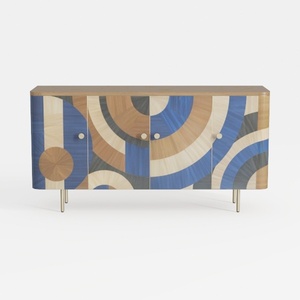
Art Deco Geometric Pattern Solid Wood Sideboard with Metal Legs 3D Model

Modern Marble Top Solid Wood Fluted Nightstand 3D Model
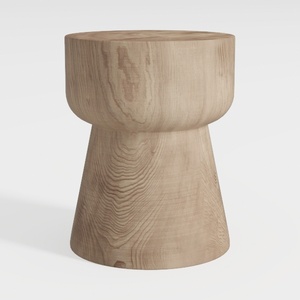
Minimalist Solid Wood Round End Side Table 3D Model
If you're looking to transform your home, try Homestyler! This user-friendly online design tool offers stunning 3D renderings, inspiring design projects, and helpful DIY video tutorials. Whether you're a novice or a pro, you'll find everything you need to bring your ideas to life effortlessly!
立即免费设计
































