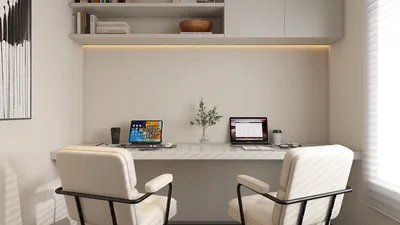


I’ve always cherished the laid-back charm of farmhouse dining—natural woods, artisanal character, and effortless comfort. In smaller spaces, the appeal remains undiminished when we adjust for scale, proportion, and lighting. In my designs, tables sized between 36 to 60 inches, slender chairs, and textured finishes transform tight areas into inviting gathering spots without obstructing movement.
When planning dining arrangements, scale outweighs style. The WELL v2 standards suggest maintaining clear paths of at least 36 inches around furniture for easy mobility; I use this as a foundational guideline in dining layouts to prevent chair collisions and cramped spaces. Research from Steelcase indicates that comfortable spaces and environmental control lead to lower stress levels and greater satisfaction; this idea translates seamlessly into home dining—ample elbow space conveys care and tranquility. For ambiance, using warm-white lighting around 2700–3000K complements the farmhouse color palette without dulling the natural wood, while adherence to IES glare control standards ensures that light fixtures aren’t overwhelming.
Color impacts perception significantly, providing a visual break in smaller rooms. According to Verywell Mind, warm neutrals can evoke comfort, while subdued greens foster a sense of harmony—both of which beautifully complement oak, ash, and linen. I like to establish a two-tone color scheme: lighter walls (in soft ecru or bone) to create an illusion of more space, paired with a mid-tone finish on the table to ground the overall scene. A matte surface minimizes glare, and soft black hardware brings a touch of subtle definition.
Farmhouse Forms That Fit Small Rooms
• Drop-leaf round: A 36–40 inch round table with two leaves is perfect for daily breakfasts and easily expands for larger weekend gatherings. Soft edges facilitate movement in limited spaces.
• Square-to-rectangular gateleg: A slender 30 x 60 inch table with extending supports comfortably seats four on regular nights; a bench can accommodate six during gatherings.
• Narrow trestle: A 32–34 inch wide trestle maintains knee space and keeps legs clear underneath, which is particularly beneficial when using benches.
• Counter-height bistro: In compact kitchen areas, a 30 x 36 inch counter-height table serves as a prep area by day and dining surface by night; combine with low-back stools to minimize visual mass.
Chair and Bench Strategy
To keep small farmhouse seating airy, mix seating options. Opt for two armless ladder-back chairs along the longer sides, a compact upholstered captain’s chair at the head, and a slender bench positioned against a wall to limit the swing radius of chairs. Ergonomically, the ideal seat height should be about 17–18 inches, with a table height near 29–30 inches to promote comfortable knee angles. Ensure chair widths range from 17–19 inches; anything broader quickly encroaches on slim tables.
Finish Palette: Honest, Matte, and Durable
I prefer matte or low-luster finishes that highlight the grain and conceal fingerprints. Whitewashed oak, natural ash, or reclaimed pine surfaces treated with waterborne polyurethane offer protection without an artificial sheen. Pair these with soft linen slipcovers, cotton ticking, or leather that develops a beautiful patina over time. Whenever possible, utilize nontoxic adhesives and finishes; this aligns with WELL v2 material standards and enhances air quality during meals.
Lighting That Flatters Wood and Faces
Install overhead pendants 28–34 inches above the table in smaller rooms to maintain open sightlines. A singular 12–16 inch dome over a bistro table, or a linear fixture of 32–40 inches above a narrow trestle, helps avoid glare while evenly illuminating dining settings. Aim for a lighting level of 150–300 lux on the table surface, and keep the color temperature at 2700–3000K to warm the wood tones. Incorporating a dimmer allows you to seamlessly transition from mealtime ambiance to casual conversation.
Compact Layouts That Feel Generous
Ensuring proper spacing is more vital than cramming in extra seating. Strive for 36 inches of clearance between the table edges and walls or counters whenever feasible; if the area is constrained, placing a bench against a wall can help minimize pull-back clearance. For corner spaces, adjust the table's position slightly off-center to align better with foot traffic rather than focusing solely on the window. I frequently utilize a 3D room layout tool like Homestyler to visualize chair swings and pendant placements prior to finalizing purchases.
room layout tool
Textures and Tactility
Farmhouse aesthetics thrive on tactile experiences: a scrubbed wood tabletop, stoneware dishes, woven placemats, and a soft runner create inviting settings. Use low centerpieces—such as wildflowers in a jar or a shallow fruit bowl—to keep sightlines clear. In cozy rooms, steer clear of heavy tablecloths; a narrow runner maintains the wood's texture while elongating visual perspectives.
Storage That Doubles as Style
In smaller spaces, opt for wall-mounted plate racks, a slim console with storage baskets, or a shallow hutch to maintain organization. A 12–14 inch deep console situated behind a bench can store napkins and candleholders, while its surface can display serving items. For constrained floor areas, consider lidded trunks that function as both storage and bench seating.
Sustainable Choices
Prioritize FSC-certified woods, reclaimed materials, and durable finishes. The longevity of materials is crucial in compact homes, where each item needs to be versatile. Natural linen and wool seat covers perform better than synthetic options and develop a stunning patina with age. Whenever possible, lean towards repairing furniture and refinishing surfaces rather than outright replacement—this aging adds to the farmhouse charm.
Proportion Cheats for Small Spaces
• Table dimensions: 36–40 inches in diameter or width is ideal for two to four guests, while 42–48 inches is suitable only if adequate circulation allows.
• Chair count: Two armless chairs plus one bench provide more room compared to four bulky armchairs.
• Light fixture size: A pendant fixture should be roughly one-third the width of the table to maintain visual balance.
• Area rug: If included, the rug should extend at least 24 inches beyond table edges to ensure chairs remain on the rug when pulled back.
Styling That Doesn’t Crowd
Maintain subtle patterns and keep them modest—think ticking stripes, micro-checks, or small plaids. Introduce one vintage statement piece—a crock, metal breadbox, or a worn cutting board—for an eye-catching focal point. Use greenery instead of tall branches to prevent visual clutter.
Real-World Layout Swaps I Use
• Substitute four chairs with two chairs and one 48 inch bench in a compact 7 x 10 foot area to create 6–8 inches more swing clearance.
• Exchange a rectangular 36 x 60 table for a 40 inch round to enhance corner circulation and equalize conversational distance.
• Install a slim shelf approximately 42 inches high near the table to hold serving items while keeping the tabletop uncluttered.
FAQ
Q1: What table shape is optimal for tight dining corners?
A: A 36–40 inch round table with tapered legs is recommended. Its curved edges facilitate smoother navigation and feel more accommodating in confined corners.
Q2: How much space should I maintain around the dining table?
A: Aim to secure 36 inches of clearance from the table edges to walls or countertops. This guideline supports accessible movement and minimizes chair collisions.
Q3: Are benches functional in small farmhouse settings?
A: Absolutely. A bench placed against a wall minimizes pull-back clearance while being able to seat various numbers of guests. Opt for a bench 14–16 inches deep for comfort without excessive bulk.
Q4: What lighting levels create a cozy yet functional atmosphere?
A: Target around 150–300 lux on the tabletop, with warm-white pendants at 2700–3000K. A dimmer can help transition from dining to casual conversation settings.
Q5: Which chair dimensions suit small tables best?
A: Ideal seat heights range from 17–18 inches, widths from 17–19 inches, favoring armless designs. Broader chairs may quickly crowd narrow trestle or gateleg tables.
Q6: What farmhouse finishes conceal wear in frequently used small rooms?
A: Matte waterborne polyurethane on oak or ash, oils on reclaimed pine, and leather or linen seat covers that age gracefully are best choices.
Q7: Can I place a rug under a small dining set?
A: Yes, but ensure the rug is sized correctly to allow chairs to remain on it when pulled back; leave at least 24 inches beyond the table edges to prevent tripping.
Q8: How do I prevent a small dining area from appearing cluttered?
A: Keep centerpieces low, opt for a runner instead of a full tablecloth, and maintain a slender console or wall rack for organization to keep tabletops clear.
Q9: What’s an ideal pendant size for a narrow trestle?
A: A linear pendant of 32–40 inches or two small 10–12 inch domes spaced evenly is appropriate. Maintain a height of 28–34 inches above the table.
Q10: Does color indeed influence the sense of coziness?
A: Yes, warm neutrals and muted greens typically project a calming and inviting presence. Soft, understated color schemes amplify perceived space and align with farmhouse aesthetics.


If you're looking to transform your home with ease, Homestyler is your go-to design platform. Its user-friendly online design tool and stunning 3D renderings make visualization effortless. Explore countless design projects and gain inspiration from engaging DIY video tutorials. Start your design journey today!
지금 무료로 디자인하세요
































