

Having designed numerous living rooms, I've found that a corner TV unit can free up precious square footage and resolve awkward sightlines effectively. The strategy is to use the corner as a central spot for circulation, viewing comfort, and storage, ensuring it doesn't dominate the space. Guidelines from the WELL v2 standard suggest a minimum of 300 lux for ambient lighting in living areas, with 500 lux for reading tasks nearby; this baseline helps mitigate screen glare by managing light contrast. Research from Steelcase indicates that varying posture and achieving supportive angles can alleviate fatigue, which informs my placement choices for sofas and lounges: an ideal head turn of 10–15° from the main seating enhances long viewing experiences, while anything above 22–30° risks noticeable neck strain.
To enhance display quality, it's advisable to manage luminance contrast and avoid direct reflections, as outlined by the Illuminating Engineering Society (IES). Installing wall washers on adjacent surfaces and opting for dimmable lighting sources in the 2700–3000K range can keep the screen readable while fostering a cozy ambiance. Additionally, color psychology plays a significant role; according to Verywell Mind, hues like blues and soft greens can help lower arousal and heart rates, creating a calm backdrop in media corners. A mid-tone, low-sheen paint behind the TV can effectively minimize glare and maintain visual balance.
Position the Corner as a Focal Point
Visualize the corner as a focal point that directs seating, circulation, and storage. A 42–60 inch TV can seamlessly fit into a 90° corner with the help of a wall mount or a pivoting arm. It's crucial to install the screen's center at roughly eye level when seated—approximately 42–48 inches for most sofas. Ensure side aisles remain clear with a width of 30–36 inches for comfortable movement. To experiment with various sofa angles and placements, using a room layout tool like Homestyler can help simulate sightlines and accessible pathways before making a purchase.
Select the Appropriate Corner Unit Style
• Floating corner shelf systems: Ideal for compact living spaces; they maintain floor visibility, thus visually enlarging the room. A shallow triangular cabinet (12–16 inches deep) with cable management features is recommended, and you can couple it with two floating side shelves for speakers or decor.
• Triangular enclosed credenza: This offers a sleek, built-in appearance that conceals routers, consoles, and miscellaneous clutter. Ensure ventilation slots are integrated; a clearance of 1–2 inches around electronics and a back cable chase are essential.
• Pivoting corner mounts: These are perfect if your seating arrangement alternates between a sectional and a reading chair; a full-motion mount provides a tilt of 15–20° and a swivel of 60–90°. Hide wiring channels along the wall to maintain aesthetics.
• Media fireplace hybrids: An electric insert within a corner credenza can provide warmth to smaller spaces while creating a visually layered focal point. Ensure the TV’s edge is positioned at least 8–10 inches above the heat source and check the manufacturer’s clearances.
Consider Scale, Proportions, and Viewing Distances
Match the screen size with the viewing distance using a practical rule: distance ≈ 1.2–1.6 × screen diagonal for 4K content. In smaller rooms with 7–9 feet of viewing distance, a 43–55 inch screen is comfortable, while a size of 55–65 inches is suitable for distances of 9–11 feet. The overall width of the unit should stay within 60–70% of the wall span surrounding the corner to avoid overcrowding the visual field. To create a lighter appearance, consider tapering the unit’s side returns from 18 inches near the screen to 10–12 inches at the ends.
Illuminating the Corner Without Glare
Layering light is crucial to ensure that the screen does not become the brightest object in the room. I recommend two asymmetric wall washers positioned on adjacent walls at angles of 15–30°, dimmable down to 10% brightness. Pair this with a backlight LED strip (in the 2700–3000K range with a CRI of 90+) behind the TV to diminish perceived contrast; it will also create a soft halo that outlines the geometry of the corner. Place table or floor lamps with fabric shades outside the primary reflection zone, at an angle of roughly 60–80° from the screen's axis. If daylight creates reflections, incorporate light-filtering shades and opt for matte finishes for the TV wall.
Ergonomics and Human Considerations
User comfort hinges on neck and eye ergonomics. Position the top third of the screen near eye level and limit vertical tilt to prevent viewers from craning their necks. In sectional arrangements, angle the chaises 10–15° towards the corner to ensure everyone has a similar viewing angle. For social gatherings, consider an additional perch like an accent chair that can rotate toward the corner, while still adhering to the 22–30° neck turn guideline. Cable access should be conveniently at seated knee height (18–22 inches) for easy maintenance.
Choices of Materials and Acoustic Comfort
Corners with hard surfaces can amplify sound. To counteract this, introduce softer finishes: a plush area rug (≥0.35 NRC) with quality padding, fabric-wrapped acoustic panels, or fluted wood slats backed with acoustic felt can all enhance sound quality. Use low-sheen veneer or FENIX-style matte laminates for cabinet doors to minimize reflections. For a serene environment, select soft-close hardware to avoid rattling, and decouple subwoofers using pads to limit disturbances to neighbors.
Efficient Storage Solutions
Organize zones effectively: allocate the top surface for set-top boxes or decoration, mid bays for consoles (allowing 2–3 inches for ventilation), and provide a ventilated back panel with a magnetic cover for easy maintenance. Incorporate vertical dividers for game cases or vinyl records, and a tilt-down drawer for remotes. If working with a confined space, a triangular pull-out drawer with 3/4 extension glides can neatly contain cables and power strips.
Understanding Color Psychology for Media Corners
Neutral cool tones—such as blue-gray and mist green—help to reduce visual clutter and diminish the prominence of a black screen. A very dark charcoal wall behind the TV (LRV 8–12) can boost perceived contrast but must be balanced with careful lighting to prevent a cave-like effect. A warmer neutral accent wall (LRV 40–60) can create visual balance.
Design Trends for 2024–2025 I'm Incorporating
• Sleek floating cabinets with curved fronts to soften the 90° corner.
• Concealed fabric speaker grills that allow audio to flow freely while masking visible hardware.
• Modular pegboard backs to adapt cable routes as devices evolve.
• Integrated Qi charging ledges artfully flush-mounted on the side return.
• Sustainable materials such as FSC-certified plywood, low-VOC adhesives, and water-based finishes.
Configuration Guidelines for Varied Room Shapes
• For a small square room (12'×12'): Opt for a 50–55" TV mounted on a pivot in the corner, a 78–84" sofa set on the diagonal sightline, and a 10' rug anchoring both areas. The cabinet should not exceed a depth of 14–16" to maintain aisle width. Test different layouts using an interior design tool like Homestyler before installation.
• In a long narrow room: Position the corner TV where the short wall meets, use a slim 12"-deep floating unit, and place a love seat parallel to the long wall with a swivel chair nearby to establish a triangular seating arrangement.
• In an open plan layout: Situate a corner TV buffered by a half-height plant shelf to delineate the media area; swivel the screen 15–30° toward the main lounge as needed, ensuring that circulation remains unobstructed.
Installation Considerations and Cable Management
Utilize an in-wall rated power kit along with low-voltage raceways to maintain a tidy appearance. Pre-drill for studs on both walls at the corner; ensure that full-motion mounts are securely anchored with robust lag bolts. Label HDMI and speaker cables and maintain a 20% service loop. Include a dedicated surge protector tucked within a rear compartment with adequate ventilation holes both at the top and bottom to encourage passive airflow.
Cost Estimates and Value Improvements
• Pre-made corner credenza: Ranges from $250–$900.
• Custom floating triangular unit: Costs between $1,200–$3,500 depending on finish and hardware selections.
• Custom built-in millwork with integrated lighting and speaker fabric: Starting from $3,500 and going over $8,000.
For value maximization: consider prefinished plywood interiors, matte laminate surfaces, and retrofit LED strips with diffusers instead of bespoke channels.
FAQs
Position the screen approximately 42–48 inches from the ground for typical sofa seating, ensuring the top third remains at or near eye level to reduce neck strain.
Implement dimmable lighting layers in the 2700–3000K range, add a small backlight behind the TV, and position lamps outside the reflection zone. Use wall washers on adjacent surfaces to balance brightness effectively.
Indeed. A floating triangular cabinet ranging from 12–16 inches in depth can save floor space and create a more spacious feeling by exposing more of the ground area.
The viewing distance should be roughly 1.2–1.6 times the screen's diagonal for 4K visuals—about 6.5 to 7.5 feet is recommended, especially with a mild tilt toward the seating.
Create a rear cable chase, use in-wall rated power kits, and consider a magnetic or removable panel for future access. Label all lines and leave a 20% slack loop for future modifications.
Utilize fabric-wrapped panels, quality area rugs with adequate padding, and wooden slats over acoustic felt to dampen reflections. Employ soft-close hardware and isolation pads for subwoofers to further enhance comfort.
Certainly, a media fireplace can be effective if you maintain suitable clearances. Keep the screen edge positioned 8–10 inches above the heat source, and always verify the manufacturer's specifications for ventilation.
Use low-sheen, mid-to-dark neutral tones. Charcoal or blue-gray shades can diminish contrast halos and obscure the black rectangle when the screen is off. Avoid high-gloss finishes that enhance reflections.
Ensure a clearance of 2–3 inches around electronics, a ventilated back space, and at least one full-width bay for gaming consoles. Incorporate a tilt-down drawer for remote controls and small accessories.
Absolutely. A full-motion mount that offers 60–90° swivel allows for precise angle adjustments based on seating arrangements. Securely anchor into studs on both adjoining walls for maximum stability.
Aim for 150–300 lux of ambient lighting along with dimmable accent features. Keep the TV's backlight soft to lessen eye strain while preserving visual contrast.
Design the unit to occupy approximately 60–70% of the wall span, elevate the cabinet to reveal more floor area, and soften edges with curved designs or rounded shelves to alleviate visual heaviness.
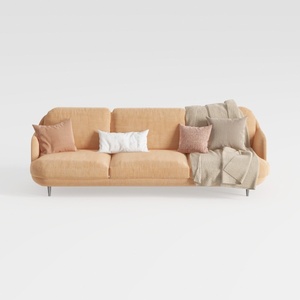

Modern Minimalist Peach Fabric Sofa with Throw Pillows and Blanket 3D Model
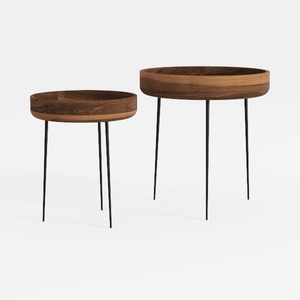
Modern Walnut Solid Wood Metal Leg Nesting Side Tables 3D Model
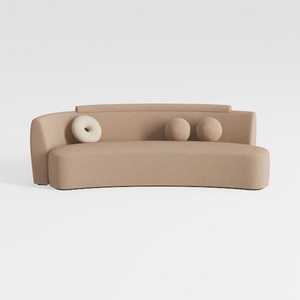
Yozma Curved Chenille Sectional Sofa Beige, Dual D
Discover the endless possibilities of home design with Homestyler! This intuitive online platform offers a user-friendly design tool, stunning 3D renderings, and numerous DIY video tutorials. Whether you're a novice or a seasoned designer, you’ll find the inspiration and resources needed to create your dream space.
Desain sekarang Gratis
































