

I have installed numerous compact wood stoves in smaller homes and cabins, where every detail in tight spaces is crucial: optimal heat output, appropriate clearances, ventilation, and materials must all work in harmony. Failing to get any of these right can lead to overheating, smoke spillage issues, or troublesome maintenance.
Research supports the importance of proper sizing. According to Steelcase studies, thermal discomfort can lead to distraction and behaviors that detract from comfort; even a temperature increase of just 3–5°C in small rooms can impact how comfortable one feels and their intention to stay. The WELL v2 framework also stresses the significance of maintaining indoor temperatures within a narrow range (usually between 20–24°C during winter), which informs our choices regarding stove output and control methods. In addition, WELL emphasizes safety and health with its guidelines on ventilation and combustion.
Lighting around a log burner is also important. The Illuminating Engineering Society (IES) suggests that living spaces require ambient illumination in the range of 100–300 lux to safely tend to the fire without causing glare. Studies in color psychology show that warm colors enhance the feeling of warmth, which can be particularly useful in small rooms if used in moderation to prevent any sense of overheating. For an in-depth understanding of indoor environmental quality and thermal comfort, checking WELL v2 is advisable.
Evaluate the Space and Determine the Correct Output
Typically, a small room (around 9–16 m² with standard 2.4–2.7 m ceilings) requires no more than a 3–5 kW wood stove. As a guideline, begin with about 1 kW for every 14 m³ of room volume, adjusted based on insulation quality. For well-insulated spaces (with modern windows, weather-tight doors, and insulated walls), it is better to aim for the lower output to prevent overheating and unnecessary dampering. Rooms lacking good insulation may require an additional 10–20%, although over-sizing can result in short cycling and increased creosote issues from smoldering fires.
Plan for Clearances, Hearth, and Wall Protection
Manufacturers usually define specific clearances, but for compact stoves, it’s common to see clearances of around 150–300 mm from non-combustible surfaces and 400–800 mm from combustible ones. In smaller rooms, I often utilize a non-combustible backer—such as calcium silicate boards or steel plates—to minimize side and back clearance requirements (where permissible). Additionally, the hearth should project at least 300–400 mm in front of the firebox door and 150–200 mm to either side for ember safety. For timber-floored rooms, consider utilizing a ventilated hearth design to prevent heat accumulation beneath.
Ventilation and Flue Configuration in Limited Spaces
Stable combustion air is essential in small rooms. For newer or well-sealed homes, selecting a stove equipped with a dedicated outside air kit is advisable to prevent negative pressure and smoke spillage. It’s best to keep flue runs as vertical as possible; generally, two 45° bends perform better than a single sharp 90°. A recommended flue height is between 4.5–6 m for good draft (be sure to follow local codes). Avoid using oversized flues that could cool the gases and cause a reduction in draft; align the flue diameter with the stove’s outlet for optimal performance.
Room Layout Strategy: Effective Placement
Position the stove so that it is both visible and easy to access while allowing for smooth circulation. I prefer placing it in a corner or alcove, ensuring a direct line of sight from seating accommodations and maintaining a clearance of at least 900 mm for walking paths. It’s beneficial to test the stove’s radiant footprint to ensure that it adequately warms primary seating areas; being too close could lead to discomfort, while sitting too far may prevent occupants from feeling the heat. To simulate potential circulation routes and seating distances, consider using a room layout tool like Homestyler prior to any installations.
Acoustics, Lighting, and Color: Enhancing Comfort Beyond Heat
Wood stoves emit sounds like low crackles and occasional flue noises. Incorporating soft materials—such as wool rugs, upholstered furnishings, and curtains—helps control reverberation (an RT60 of around 0.3–0.5 seconds is suitable for small living areas). For illumination, aim for a base ambient light of 200–300 lux while adding 50–100 lux for accenting textures behind the stove, and ensure that direct light doesn’t glare off the glass door. Color choices should involve warm neutrals around the stove to enhance coziness, balanced with cooler tones in other areas to prevent the sensation of overheating.
Materials: Hearths, Surrounds, and Sustainability Considerations
Select non-combustible hearth materials that exhibit good thermal shock resistance, such as porcelain tile, slate, soapstone, or concrete. For the area behind the stove, I prefer textured bricks or dark porcelain panels, as they are excellent at hiding soot and can tolerate high heat. Opt for low-VOC finishes and consider using sustainably sourced wood fuel: adequately seasoned logs with a moisture content of 15–20% will minimize smoke production and creosote accumulation. Store firewood in a ventilated spot away from the stove to keep it dry without exposing it to heat.
Safety Measures: Detectors, Clearances, and Protocols
It is essential to install a carbon monoxide detector and heat alarm within the same room; both should be tested on a monthly basis. Maintain an ABE dry chemical extinguisher nearby for added safety. Establish a burning protocol: start with kindling, use small splits, keep the door closed once the flue engages, and build the fire gradually without accelerants. Proper ash management is essential—leave a thin layer (10–20 mm) to allow for quicker relights, but transfer ash to a closed metal bin. Ensure the flue is swept at least once a season, with additional cleanings needed for daily use.
Operation: Clean Combustion and Thermal Regulation
Achieve a hot burn first, then adjust. Rapidly bring the stove to its operational temperature to keep the glass clean and minimize creosote formation. Use air controls to sustain a vigorous flame rather than allowing the fire to smolder, and fine-tune the heat with log sizes and placement timing. In a small room, placing a digital thermometer at seating height can help prevent temperature overshoots; target a comfortable range of 20–23°C. If heat buildup occurs, slightly open a transom window for a few minutes to refresh the air quality without chilling the occupants.
Storage and Workflow Optimization in Compact Spaces
Limit the visible log storage to no more than one evening's worth of wood to maintain a clean, dust-free environment. Consider building a narrow niche or using a basket positioned 600–800 mm away from the stove. Store tools (such as the poker and brush) on a magnetic rail or in a compact stand. Any excess logs should be kept in a dry, ventilated space outdoors or in an adjacent utility area. This organization not only prevents sparks from posing a risk but also helps in maintaining a tidy appearance.
Design Integration: Highlighting the Wood Burner as a Feature
Utilize a darker surround to visually frame the fire. Anchor the space with a low bench that has a non-combustible top, enhancing the depth of the hearth. A single overhead wall washer can create a gentle vignette at 2700–3000K, complementing the warmth of the flames without causing glare. Keep surfaces matte near the stove to minimize reflections and heat hotspots.
Common Errors to Avoid
Some frequent mistakes include choosing an oversized stove, neglecting the need for an outside air supply in tightly sealed homes, installing horizontal flues, skimping on hearth dimensions, placing seating too closely, selecting glossy finishes that amplify glare, and overlooking the installation of safety detectors. Each of these errors can compromise comfort and safety in small spaces.
Quick Specification Guide
- Output: 3–5 kW for rooms sized 9–16 m² (adjust as needed for insulation)
- Clearances: follow manufacturer guidelines; increase margins if you are uncertain
- Hearth: minimum projection of 300–400 mm to the front
- Flue: as predominantly vertical as possible; a height of about 4.5–6 m is standard; ensure diameter matches
- Air: consider the use of an outside air kit in sealed environments
- Detectors: install both carbon monoxide and heat alarms
- Lighting: maintain ambient light levels of 200–300 lux; layer with a warm color temperature (2700–3000K)
- Maintenance: perform seasonal flue cleanings; ensure you use kiln-dried wood with 15–20% moisture content
FAQ
Start with around 3–4 kW, making adjustments based on ceiling height and insulation. Rooms that are better sealed will require less power.
Absolutely. Airtight spaces can limit combustion airflow and lead to smoke spillage. Using a dedicated outside air supply stabilizes draft and maintains indoor air quality.
Materials like porcelain tile, slate, soapstone, and concrete are durable and non-combustible. Opt for matte finishes to reduce glare and visible soot build-up.
Typically, a flue height should range from 4.5–6 m, ensuring minimal horizontal runs and gentle bends. Always prioritize local codes and manufacturer specifications.
Select the appropriate kW rating, utilize smaller wood splits, track room temperatures, and briefly ventilate if necessary. Keep seating comfortably distanced from the stove.
Ensure there is ambient lighting of 200–300 lux at a warm color temperature (2700–3000K). Incorporate accent lighting on the surrounding area while avoiding direct glare on the stove glass.
Perform a thorough cleaning at least once during the burning season. For daily usage, consider additional mid-season inspections to manage creosote build-up effectively.
Maintain a small basket of logs for one evening’s use, at least 600–800 mm away from the stove. Store the majority of logs outdoors or in a ventilated utility area to keep them dry and safe.
No, oversized stoves often lead to smoldering when set too low, increasing creosote build-up and decreasing efficiency. It is vital to align the stove output with the room size.
In small spaces, seating should generally be positioned 1.2–1.8 m from the stove's face, adjusting for radiant intensity and overall layout. It’s wise to test placements before finalizing any flue installations.
Yes, warm colors around the stove can amplify the sensation of warmth, but these should be counterbalanced with cooler shades in other areas to prevent discomfort from perceived overheating.
Safety devices are critical and should be positioned within the same room. These should be tested regularly and replaced in accordance with the guidance provided by the manufacturer.

Bohemian Rattan Round Coffee Table 3D Model
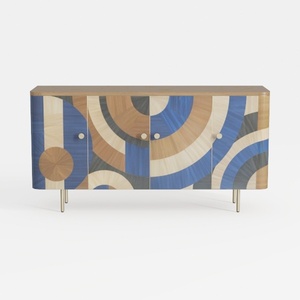
Art Deco Geometric Pattern Solid Wood Sideboard with Metal Legs 3D Model
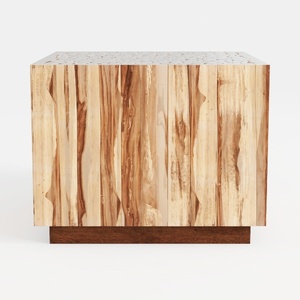

Minimalist Solid Wood Accent Cabinet with Textured Top 3D Model
Discover your design potential with Homestyler! This intuitive online platform offers a robust design tool, stunning 3D renderings, and a wealth of interior design projects and DIY video tutorials. Whether you're a novice or pro, bring your dream home to life effortlessly!
Diseño ahora GRATIS
































