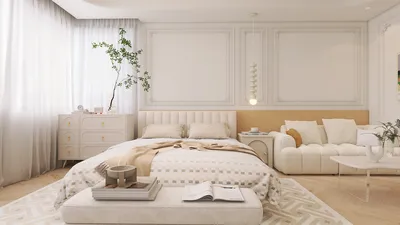


Searching for a compact rental nearby often feels like juggling multiple factors: convenience versus coziness, budget versus quality, and style versus storage solutions. Over the years, I have planned and designed countless small apartments, micro-studios, and accessory dwelling units, and one constant remains—well-designed small spaces appear more expansive than their actual size. According to the Gensler U.S. Workplace Survey, individuals with access to well-planned environments report greater effectiveness and well-being, a principle that applies straightforwardly to residential rentals. Furthermore, Steelcase research suggests that giving users control over their environment—be it light, posture, or space—enhances satisfaction and performance, which is crucial when assessing tiny units for daily activities, remote work, and leisure time.
The fundamentals of lighting can create a significant impact as well. The Illuminating Engineering Society (IES) recommends that horizontal illuminance levels be maintained between 300 and 500 lux for task areas within living spaces, which helps mitigate eye strain in multifunctional areas. The WELL v2 standard emphasizes that circadian-friendly lighting and sound comfort are key contributors to health. This reinforces the idea that small rentals require layered lighting and basic acoustic control to genuinely feel livable. In my designs, I incorporate three essential layers of lighting—ambient (general), task (focused), and accent (mood)—and prioritize dimmability, allowing the compact layout to adapt to various needs throughout the day. For color choices, insights from Verywell Mind on color psychology are invaluable: cooler tones feel more spacious, while subtle warm shades can introduce comfort without visual heaviness.
Creating Your Small Rental Brief
I begin by outlining the 'daily circuit.' Identify essential activities: sleeping, focused work, light meal prep, dining, relaxation, exercise, and accessing storage. Attach specific time allocations to each activity, transforming vague aspirations into measurable priorities. If your remote work time exceeds two hours daily, prioritizing a dedicated ergonomic workspace over a larger sofa becomes essential. If cooking is a frequent activity, you might prefer a galley layout with 24–30 inches of uninterrupted counter space next to the stove rather than an extravagant island that consumes floor space.
Assessing Small Rentals: Key Measurements in 10 Minutes
Arrive prepared with a tape measure and a checklist. Take note of the swing arcs of doors, corridor widths, and closet depths; these factors determine the space's usability. For compact units, a circulation space of approximately 30–36 inches is necessary to facilitate daily movement. Measure the height of window sills to gauge potential cabinet or desk positioning. Check electrical outlets on each wall and ensure at least two circuits are present in the kitchen. Be mindful of the water heater's location, venting routes, and HVAC return grille clearance—areas often concealing noise and maintenance issues. For lighting, aim to have at least two switching zones within a studio (sleep area and living/work area) to avoid flooding the entire space with light at night. If you plan on rearranging furniture, a quick layout simulation can be beneficial; utilizing an interior layout planner like Homestyler helps visualize bed positioning, desk fitting, and dining arrangements before making a commitment.
room layout tool
Layout Techniques to Enhance Perceived Space in Small Living Areas
I conceptualize furniture as architecture in tiny spaces—it serves to divide, frame, and function. Begin by anchoring the longest wall with built-in units or a low-profile media/storage console, then place adaptable pieces such as nesting tables, poufs, or drop-leaf dining tables in the foreground. Maintain at least 18 inches of space around beds and 24 inches behind task chairs for comfort. Align tall storage along one wall to minimize visual clutter. Consider using ceiling tracks or tension post systems to install curtains that create a sleeping nook without erecting permanent walls, making it perfect for rental agreements. During the layout process, I strive for a primary movement axis; crossed paths can waste precious square footage and create mental clutter.
Light, Color, and Sound Considerations in Compact Living
Small rentals flourish with layered lighting. Combine a warm-dim floor lamp near seating arrangements with under-cabinet LED strips in the kitchen and a 2700–3000K reading lamp by the bed. This combination supports circadian rhythms while ensuring proper light levels where it's needed. Incorporate high-CRI sources for precise color rendering if you work with textiles or art. For color, opt for lighter mid-tone walls with darker floors or rugs to ground the space. Highlight a single vibrant hue—forest green, navy blue, or terracotta—in soft furnishings instead of on expansive walls to minimize perceived shrinkage. To address acoustics, implement thick area rugs, lined curtains, fabric headboards, and well-stocked bookshelves to significantly reduce sound reverberation in a studio with hard surfaces. I recommend avoiding heavy wall treatments in rentals; instead, use reversible textiles and modular panels to effectively dampen sound from neighbors and street noise.
Ergonomics for Small Apartments
When working from home, choose an adjustable chair and a desk that is 28–30 inches high with a knee clearance of at least 24 inches. A compact sit-stand riser on a narrow table can provide ergonomic variety without violating lease agreements. Position monitors so the top third aligns with eye level, maintaining a viewing distance of 20–28 inches. For kitchens, ensure a landing zone—ideally 12 inches—on either side of the cooktop when possible; in micro-kitchens, maintain one uninterrupted span for meal prep. Additionally, mount hooks at convenient heights (48–52 inches) near doors to streamline daily tasks.
Storage Solutions That Integrate Seamlessly
My guiding principle: leverage vertical storage effectively. Use 14–16-inch-deep tall cabinets or shelving that reaches the ceiling on a single wall. Under-bed drawers or a lift-up storage bed are great for seasonal items. Opt for sofas with storage chaise options, and consider replacing nightstands with compact drawer stacks. In the kitchen, install magnetic knife bars, ceiling-mounted pot rails, and slim rolling pantries (8–12 inches wide) between the fridge and wall. Dedicate 70–80% of storage volume to closed cabinets to reduce visual noise while using open shelves for frequently used items and cherished display pieces.
Selecting Appliances and Fixtures: Importance of Right-Sizing
Choosing counter-depth, narrower appliances (24-inch ranges, 24-inch dishwashers, 24–27-inch fridges) ensures smooth workflow. Induction cooktops offer reduced heat and heightened safety in compact layouts. Combine microwave and convection ovens to save on space instead of opting for a separate gadget. For bathrooms, wall-mounted vanities visually enhance floor space and reduce cleaning obligations; using a curved shower rod or narrow framed screen can create extra elbow room without requiring construction.
Choosing Sustainable Materials
In small spaces, durable, low-VOC finishes are essential due to higher concentrations of off-gassing. Whenever possible, seek out Greenguard Gold-certified paints and sealants. Install resilient flooring with sound-dampening underlayment options; cork-backed LVP or engineered wood options are common in rentals. For textiles, consider wool or recycled PET rugs, known for their durability and sound-absorbing properties. Modular, repairable furniture is superior to disposable fast furniture—both for budgetary and environmental reasons—over the course of a multi-year lease.
Understanding the Psychology of Compact Living
Behavioral patterns significantly influence comfort levels. Define areas using lighting rather than walls; the brain tends to anchor itself in illuminated spaces. Preserve long sightlines by avoiding tall dividers within 4–6 feet of entryways. Designate one vertical surface as a calming backdrop (art grid or monochromatic wall) to reduce visual distractions. Choose a consistent metal finish for hardware to unify the appearance of small rooms. For cohabitants, consider establishing micro-zones: a reading chair paired with a task lamp can be as rejuvenating as a distinct room.
Strategically Searching for a 'Small Rental Near Me'
Start with your search radius, then filter based on essentials: cross-ventilation (at least two functioning windows), natural light orientation (south/east for optimal morning light), and ceiling height (9 feet feels significantly roomier than an 8-foot ceiling). Always request detailed floor plans along with measurements and confirm the placement of mechanicals. If the listing lacks these details, I recommend sketching on-site and testing layouts using an interior layout planner like Homestyler before making any commitments. This method helps avoid costly mistakes, such as realizing that the only bed placement impedes closet access.
interior layout planner
Negotiating Budget and Lease Terms
Request approval for paint (one accent wall), permission for removable wallpaper, and the option to install plug-in lighting, shelves on existing studs, or a ceiling curtain track. Make sure to clarify who is responsible for minor fixture changes and what must be restored prior to vacating the unit. A modest rent concession may be achievable in exchange for a longer lease or minor cosmetic upgrades at your own expense—documenting the condition with photos and emails is crucial.
Assessing Safety, Noise, and Neighbor Considerations
Examine water pressure and hot water recovery, verify smoke and CO detectors, and check corridor and stairwell lighting. Visit the property at night and during weekends to assess noise levels and parking availability. If the unit is located above a retail area or near a busy street, consider layered window treatments: a blackout liner along with sheer curtains for daytime privacy and sound dampening.
Noteworthy Authority References
For more comprehensive standards on lighting and wellness, refer to IES guidelines for residential task illumination and WELL v2 recommendations on light and sound. For insights on environment-behavior correlations and productivity, Gensler and Steelcase provide valuable public resources that translate effectively into compact residential design.
FAQ
I'm looking for at least two sources of natural light or one large window with an unobstructed skylight view. Combine that with ambient lighting around 150–200 lux alongside task lighting achieving 300–500 lux based on IES guidance for a comfortable reading and working experience.
A full or a European small double bed often strikes the right balance between sleep comfort and space circulation. Ensure there's 18–24 inches of clearance on at least two sides; if not, consider a wall-side setup paired with sconce lighting.
Utilize ceiling tracks with curtains, open shelving as a semi-permeable divider, or a freestanding screen. Ensure dividers are less than 70% opaque to maximize daylight and maintain long sightlines.
Opt for soft mid-light neutrals with low-contrast trim to keep edges visually soft. Introduce one accent color through textiles. According to color psychology, cooler shades recede, thus assisting in making spaces appear larger.
Certainly, if it does not impede workflow. A 24-inch dishwasher with a low noise rating minimizes countertop clutter. Combination units save space but may require longer drying times—ensure you have adequate drying solutions.
Layer rugs with dense padding, deploy lined drapes, mount fabric panels or art on soft substrates, and fill bookshelves. Soft, continuous surfaces are more effective in reducing echo than randomly placed small items.
Use tension shelves in closets, over-door hooks, adhesive hooks designed for heavier items, rolling carts, and bed risers with under-bed storage. A tall, narrow cabinet can effectively reclaim a dead corner as functional storage.
Position the desk facing a wall or window to minimize distractions, use a task lamp providing 300–500 lux on the work surface, and select an adjustable chair. A folding screen or curtain can signal 'work on/off' times without permanent alterations.
Select low-VOC paints, Greenguard Gold-certified finishes, and textiles made from wool or recycled PETs, along with solid-wood or metal furniture with transparent finish disclosures. Off-gassing can be particularly concentrated in small volumes—opting for better materials makes a notable difference.
A one-wall or compact galley kitchen equipped with 24–30 inches of uninterrupted prep space adjacent to the cooktop, upper storage that extends to the ceiling, and under-cabinet lighting are ideal. Ensure aisles maintain a clearance of approximately 36 inches for safety and comfort.
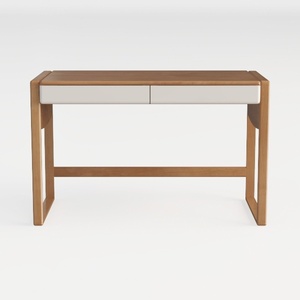

Minimalist Solid Wood Two Tone Writing Desk 3D Model

Minimalist Solid Oak Wall Mounted Floating Shelf 3D Model

Minimalist Solid Oak Wall Mounted Floating Shelves 3D Model
Discover the magic of home design with Homestyler! This user-friendly platform offers an intuitive online design tool, stunning 3D renderings, and an impressive array of design projects and DIY video tutorials. Unleash your creativity and transform your space effortlessly!
Design Now for FREE
































