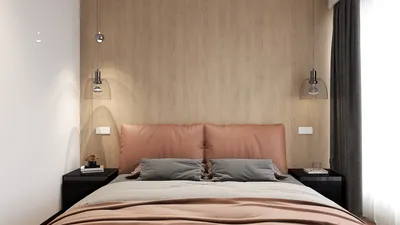


When designing bathroom spaces, I see toilet rooms as highly functional areas where every inch holds significance. Achieving the ideal size involves a combination of adhering to codes, ensuring ergonomic reach, optimizing light and sound, and selecting materials that simplify maintenance. Typically, a comfortable powder room measures about 15 to 20 square feet; in more constrained environments, utilizing strategies such as 30-inch door openings and wall-mounted fixtures can save valuable space while still being practical.
Data from real-world usage supports the importance of thoughtful sizing. Research from Steelcase indicates that adequate space and clear pathways significantly reduce mental strain, enhancing overall comfort in functional areas (Steelcase Workplace Research). Furthermore, WELL v2 emphasizes the importance of hygiene and accessibility, mandating open floor space and reach distances to accommodate diverse body types in restrooms (WELL v2, Accessible Design concepts). In practice, I recommend maintaining a clear width of at least 30 to 32 inches in front of the toilet and 21 to 24 inches in front of the sink to prevent awkward movement and discomfort.
Lighting plays a crucial role in comfort, often to a greater extent than many realize. The IES suggests task lighting levels between 300 and 500 lux for grooming areas; for powder rooms, I find that achieving 300 to 350 lux at the mirror with warm white lighting (2700 to 3000K) is both flattering and minimizes glare. Employing indirect sconces at eye level, in addition to a dimmable overhead light, helps avoid distracting reflections on shiny tiles.
Essential Measurements
The key dimensions for a single-person toilet room should include a clear width of 30 to 32 inches, a minimum depth of 60 inches if the door opens inward, and at least 15 inches from the toilet centerline to the side walls (30 inches total). For a comfortable basin area, aim for a width of 18 to 20 inches with a clear space of 21 to 24 inches in front of it. If the door reduces maneuverability, consider altering it to swing outward or using a pocket door to maximize the full 60 inches of depth. In renovations, I often opt for wall-mounted toilets, which can reduce the perceived depth by 8 to 10 inches while also easing cleaning efforts.
Ergonomic Principles Based on Data
The key to comfort lies in appropriate reach and clearance. WELL v2 highlights the need for inclusive reach distances of about 15 to 48 inches above floor level for frequently used elements; positioning the toilet paper dispenser at 26 to 30 inches above floor level and 8 to 12 inches forward of the toilet minimizes body twisting. Research from the Gensler Research Institute suggests that intuitive layouts reduce confusion, meaning small rooms should have unobstructed paths to the basin and a direct line of sight to the toilet upon entry.
For comprehensive guidance on restroom health and accessibility, the WELL v2 resources serve as a valuable tool for designers establishing fundamental performance benchmarks, allowing for verification of clearances and fixture heights in accordance with best practices for inclusive design.
Optimal Layout for Limited Spaces
In smaller bathroom layouts (under 16 square feet), it’s effective to place fixtures along one wall to simplify plumbing and ensure clear pathways. A compact vanity of 24 to 26 inches with a shallow depth of 15 to 18 inches maintains comfortable front clearance. When redesigning existing spaces, utilizing a layout simulation tool like Homestyler’s capability allows for testing door movements, fixture arrangements, and mirror placements before any construction begins.
Door Mechanisms, Thresholds, and Accessibility
The choice of door swing can significantly impact the room's functionality. Inward-swinging doors may require an additional 4 to 6 inches of depth; in contrast, outward-swinging doors decrease pinch points but necessitate extra corridor space. Pocket doors can save 3 to 4 inches compared to traditional door arcs and prevent collisions with the sink. Handles should be positioned between 34 and 38 inches above the floor, and thresholds should either be flush or no more than half an inch beveled to mitigate tripping hazards.
Lighting, Glare, and Atmosphere
Striking a balance between task lighting and ambient illumination is critical. Aim for 300 to 350 lux at the mirror and 150 to 200 lux for ambient light, while ensuring a Color Rendering Index (CRI) of 90 or higher to accurately portray skin tones. Utilize 2700 to 3000K bulbs for warmth, and if the room also serves grooming purposes, a 3500K temperature enhances detail without feeling sterile. Steering clear of direct overhead lights above the mirror and using side sconces placed between 60 and 66 inches above the floor helps to reduce shadows.
Acoustic Considerations
Compact, rigid rooms can amplify sound. To mitigate this, consider adding soft furnishings such as fabric roller shades, wooden vanity panels, or micro-perforated gypsum ceilings with sound-dampening backing. Aim for a Noise Reduction Coefficient (NRC) of 0.50 or higher on at least one surface to avoid the "tile tunnel" effect. Employing quiet exhaust fans (less than 1.0 sone) contributes to an unobtrusive acoustic environment.
Choosing Materials and Maintenance
In smaller bathrooms, it's essential to select materials that can withstand high humidity and regular cleaning. Matte-finish porcelain tiles help reduce glare, while epoxy grout is resistant to staining. Opt for low-VOC paints with an eggshell finish to balance cleanability and sheen. A quartz or solid-surface vanity top with an integrated backsplash protects the walls effectively while minimizing joints.
Color Psychology in Small Areas
Colors can enhance the perception of space volume. Light, muted tones can create the illusion of taller ceilings while darker floors stabilize the room. Research by Verywell Mind indicates that blues and greens foster a sense of tranquility; in practice, integrating soft sage or light powder blue can harmonize warmth from brass or oak accents without making the space feel cold or uninviting.
Maximizing Storage Without Clutter
Incorporating recessed medicine cabinets and niche shelves helps to keep the floor area unobstructed. Ensure that frequently used items fall within the 15 to 48-inch reach range, with heavier items placed lower. A shallow recessed niche above the toilet (4 to 6 inches deep) is perfect for storing backup rolls and small decorative items without obstructing movement.
Airflow and Sanitization
Efficient ventilation should facilitate 8 to 10 air changes per hour in small restrooms. Position the exhaust fan close to odor sources and ensure a minimal undercut at the door for optimal airflow. Touchless faucets and lever handles contribute to reducing contamination points.
Proportion and Visual Flow
Utilize vertical elements and light lines to elongate narrow spaces: install tall mirrors, full-height tiling behind the sink, and sleek vanities. Achieve visual harmony by aligning fixture centerlines; the toilet and basin should share a datum line to avoid chaos in the visual field.
Emerging Trends (2024–2025)
The demand for compact luxury is on the rise, with preferences for wall-mounted fixtures, integrated LED mirrors that boast high CRI, and textured tiles that diffuse light elegantly. Environmentally friendly options such as water-efficient dual-flush toilets and low-flow faucets have become mainstream, while smart exhaust fans that respond to humidity levels ensure enhanced comfort and energy efficiency.
Planning Essentials Checklist
- Ensure at least 30 to 32 inches of clear width; 60 inches depth with inward-swing doors
- Provide 21 to 24 inches clear in front of sink; 30 to 32 inches in front of toilet
- Maintain 15 inches from toilet centerline to side walls (30 inches total)
- Position toilet paper holder at 26 to 30 inches above floor, 8 to 12 inches forward of bowl
- Target mirror lighting of 300 to 350 lux, 2700 to 3000K, CRI 90+
- Keep exhaust fan noise below 1.0 sone; achieve 8 to 10 air changes per hour
- Consider a pocket door or an outward swing for constrained spaces
For inclusive restroom design advice, refer to the WELL v2 guidelines, and explore spatial comfort studies in Steelcase's extensive research library.
Frequently Asked Questions
Q1: What’s the ideal size for a comfortable home powder room?
A1: Generally, a size of about 15 to 20 square feet is recommended, with dimensions of 30 to 32 inches clear width, 60 inches depth, and 21 to 24 inches in front of the sink. If your space is less than 15 square feet, consider a pocket door alongside wall-mounted fixtures.
Q2: How much clearance is advisable around the toilet?
A2: Ensure a minimum of 15 inches between the toilet centerline and each side wall (30 inches in total), with 30 to 32 inches clear in front for comfortable movement.
Q3: What lighting levels should I aim for?
A3: Aiming for 300 to 350 lux at the mirror with 2700 to 3000K warm white lighting and a CRI of 90 or higher is ideal. Aim for ambient lighting of 150 to 200 lux to avoid stark contrasts.
Q4: Are outward-swing doors more effective for limited spaces?
A4: Typically, yes. Outward-swing or pocket doors free up 4 to 6 inches of interior depth and reduce pinch points near sinks.
Q5: What materials are best suited for humid, compact environments?
A5: Opt for matte porcelain tiles, epoxy grout, low-VOC eggshell paints, and quartz or solid-surface countertops. These choices are moisture-resistant, minimize glare, and are easy to maintain.
Q6: How can I minimize noise in a small, hard restroom?
A6: Introduce at least one surface with an NRC of 0.50 or higher, such as a micro-perforated ceiling or soft window treatments, and choose a quiet fan operating under 1.0 sone.
Q7: What are the appropriate heights for fixtures?
A7: Set the toilet paper holder at 26 to 30 inches above the floor, the bottom of the mirror at about 40 to 42 inches (adjust for user height), and faucet controls within the 15 to 48-inch reach range.
Q8: How do I create an illusion of space in a narrow room?
A8: Implement tall mirrors, continuous vertical tiling, light desaturated colors, and recessed storage to enhance the sense of openness. Maintain a clear floor space with wall-mounted fixtures.
Q9: Where should the exhaust fan be installed?
A9: Ideally, place it near the source of odors or the shower if one is present, ensuring a subtle return path through a door undercut. Aim for 8 to 10 air changes per hour for optimal ventilation.
Q10: Can modern technology improve comfort in small toilet spaces?
A10: Absolutely! Incorporating humidity-sensing fans, dimmable LED mirrors with high CRI, and touchless faucets greatly enhances hygiene and reduces energy consumption.


Looking to transform your home effortlessly? Homestyler is your go-to online design platform! With an easy-to-use design tool, stunning 3D renderings, diverse design projects, and informative video tutorials, you can unleash your creativity and bring your vision to life in no time.
تصميم الآن مجانا
































