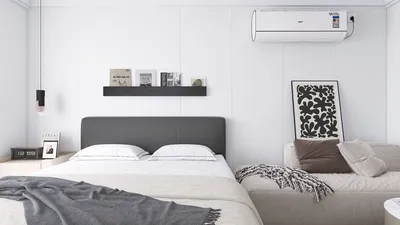


Getting comfortable in a hostel room is much simpler when the layout supports your daily routine. Drawing insights from my experience with campus housing and student accommodations, I emphasize spatial dimensions, lighting, acoustics, and ergonomics that facilitate studying, resting, and socializing harmoniously. Research by Steelcase shows that students and knowledge workers who can select their seating and environments tend to experience improved concentration and well-being. Their findings correlate the variety in postures and quiet surroundings with enhanced cognitive performance. According to WELL v2 standards, achieving a desk illuminance between 300–500 lux is essential for reading tasks, as it boosts alertness while mitigating glare.
The impact of color and light selections is often underestimated. An overview on color psychology by Verywell Mind highlights that cool tones, such as soft blues and muted greens, can significantly lower stress perception, whereas bold reds may increase excitement—best saved for accent pieces rather than large walls. For optimal nighttime comfort, I prefer keeping task lighting between 2700-3000K, while reserving daytime desk lighting in the 3500-4000K range. Following IES guidance on office lighting, a well-balanced illuminating setup reduces eye strain; pairing a desk lamp with a diffuse ceiling fixture helps minimize shadows.
Room Types and Effective Solutions
Most hostel accommodations fall into three main categories: single, double, and twin-share rooms, often featuring loft or bunk options. For a compact single room, I strive for a 60:40 distribution between the functional area (desk, storage) and the restorative area (bed, comfortable seating). In double rooms, a mirrored configuration promotes harmony—two desk lines directed towards a wall or window, while beds are offset to reduce direct sightlines. If your room arrangement allows flexibility, consider placing your study area against a window wall to maximize natural light, thereby providing a consistent circadian cue. Always ensure at least 900 mm (approximately 36 inches) of clear space from the door to the desk and wardrobe; adhering to this simple guideline prevents daily congestion.
Maximizing Daylight, Ensuring Privacy, and Minimizing Glare
Employ sheer curtains for soft daylight dispersion along with a blackout layer for uninterrupted sleep. I find that positioning the desk perpendicular to the window mitigates monitor glare while still allowing for peripheral light. For evening studies, combine a 6-9 W LED task lamp (400-600 lumens) with a warm ambient light source. If you're considering rearranging furniture or optimizing a tight double room, utilizing a room layout tool to simulate glare angles and access zones can provide valuable insight before making any heavy adjustments.
Desks, Chairs, and Ergonomics That Enhance Comfort
It's advisable to set the desk height around 720–740 mm for the majority of students; pair this with an adjustable chair that supports lumbar support. Insights from Steelcase and Herman Miller suggest a crucial understanding: changing your posture every 20–30 minutes can help sustain concentration better than any singular ideal posture. Adding a footrest is beneficial if your feet don't touch the floor, and elevating your laptop to eye level alongside an external keyboard and mouse is recommended. Position your screen close to eye level, maintaining an arm's length distance away. For an organized workspace, manage cables at the desk’s back edge to avoid visual clutter.
Storage Solutions That Maximize Space
Implementing vertical storage effectively tackles many challenges associated with small rooms. I recommend shallow shelves (200–250 mm) above the desk for books and a couple of closed bins for visual simplicity. Utilizing under-bed drawers or lift-top storage is excellent for seasonal garments. In double rooms, I suggest marking each area with identical storage footprints to foster balance and reduce conflicts—designing fairness into the space. A peg rail by the entrance can manage daily items like bags and umbrellas, helping keep the floor area clear.
Acoustic Comfort for Effective Study and Rest
Sound does not travel well in rigid, box-like rooms. Incorporating a rug (covering at least 60% of the floor) along with a fabric headboard or pinboard, and layering two curtain types can significantly dampen sound reflections. If your hallway tends to be noisy, a door sweep or draft stopper can inhibit both noise and dust. For roommates with different sleeping patterns, supplying each bed with a soft, directed clip light and encouraging the use of headphones for media can create a peaceful living environment.
The Significance of Color Psychology and Material Choices
When it comes to walls, opting for light matte finishes can enhance natural daylight (with a Light Reflectance Value of 60-75). Accent colors may exist on desk backsplashes or pinboards in tranquil tones like muted teal or soft eucalyptus, which help stabilize mood during intense study periods. The insights from Verywell Mind regarding blues and greens align with my observations in various projects, as these shades can lower stress levels and promote improved focus. The materials selected should be durable and easy to maintain: high-pressure laminate or melamine for desks, washable paint, and removable fabric coverings for cushions are ideal.
Lighting Layers for an Evening Wind-Down
To maintain circadian health, it’s advisable to steer clear of cooler lighting in the late hours. I recommend a three-layer lighting system: an ambient ceiling lamp at 3000K, a task lamp at 3500-4000K for focused reading, and a low-output bedside lamp for relaxation. WELL v2 underlines the necessity of glare control: utilize bulb shields, select appropriate diffusers, and aim for a Unified Glare Rating that feels comfortable, meaning no unshielded high-intensity LEDs should be in your sight line.
Creating Harmonious Layouts
In twin-share rooms, consider separating beds with storage solutions or a low shelf to establish personal territories; aligning desks along one wall allows for an open window side. If the door opens towards the beds, a slim screen or open shelving promotes privacy without hindering airflow. Utilize an interior layout planner to check clearances for chairs, doors, and drawers—ensuring 750-900 mm space behind each chair for movement.
Dedicated Study Areas versus Social Spaces
Clearly defining a study area with a desk, task lighting, and a pinboard, while creating a social nook with a small pouf or foldable chair and a warm lamp can help delineate activities. Establishing quiet hours and a shared cleaning schedule is crucial when living with roommates. A straightforward white noise application at low volumes can effectively mask occasional hallway sounds without being overbearing.
Ventilation, Cleanliness, and Regular Maintenance
It’s beneficial to open windows twice each day for about five minutes; fresh air decreases CO2 levels and enhances alertness. Keeping a compact cleaning kit, including a microfiber cloth, lint roller, and biodegradable wipes, can be helpful as well. During humid months, placing a small desiccant tub in your wardrobe prevents mustiness. Rotating your mattress head-to-foot every three months can drastically improve its comfort and extend its lifespan.
A Move-In Checklist for Students
- Two-tier lighting: task lighting combined with ambient lighting
- A surge-protected power strip with a 2-3 meter cord
- An external keyboard/mouse along with a laptop riser
- Under-bed storage bins, door hooks, and a peg rail
- A washable rug (low pile) for acoustic management and comfort
- A blackout curtain or a sleep mask for blocking early morning light
- Soft clip light for bed using a bulb of 2700-3000K
- A pinboard and cable management clips to keep your desk organized
Safety Practices and Shared Responsibilities
Ensure egress paths remain clear, avoid daisy-chaining power strips, and never obstruct the AC return. It’s vital to agree on quiet hours, guest policies, and cleaning responsibilities from day one; most conflicts arise from misunderstandings. A communal storage bin for cleaning supplies can eliminate redundancy and help maintain visual order in the room.
Frequently Asked Questions
Q1. What level of illuminance is ideal for the desk?
A1. Aim for 300–500 lux at the work surface using a diffuse task lamp combined with ambient light; this combination is comfortable for reading and typing formats.
Q2. Should I choose cool or warm bulbs for my study area?
A2. Utilize 3500–4000K bulbs for focused evening study sessions and 2700–3000K for winding down before sleep. It's best to avoid using cooler 5000K lights late at night.
Q3. What can I do to reduce monitor glare near a window?
A3. Position your desk perpendicular to the window, employ sheer curtains to diffuse daylight, and consider using a matte screen or an anti-glare film.
Q4. How can I optimize my setup if I only have a basic task chair?
A4. Incorporate a small lumbar pillow, adjust the chair height so your knees are slightly below hip level, and utilize a footrest if your feet do not reach the floor.
Q5. What are some quick acoustic improvements?
A5. Adding a low-pile rug, a fabric pinboard, and a door sweep can help mitigate reverberation and mask hallway noise effectively.
Q6. How can two roommates effectively share a small desk space?
A6. Create a mirrored setup: place two desks side by side with identical storage solutions. Ensure there's 750-900 mm of space behind chairs and incorporate a shared cable organizer to keep clutter at bay.
Q7. Which colors can help during demanding exam periods?
A7. Muted blues and greens as accent colors or on pinboards can promote calm focus; maintaining light and neutral large wall surfaces can also help enhance brightness.
Q8. Is it advisable to use bunk beds?
A8. Bunk beds are suitable if the ceiling height allows at least 900 mm of clearance above the top mattress and each bunk should have a clip light to accommodate independent schedules.
Q9. How do I plan the layout before rearranging furniture?
A9. Use a simple layout simulation tool to check clearances, chair movement space, and door swings, which can help avoid strenuous relocation after setup.
Q10. What are essential items for comfort in a small space?
A10. Key items include a dimmable task lamp, blackout curtains or sleep masks, surge-protected power strips, washable rugs, and under-bed storage to meet most needs.
Q11. What is a fair approach to a cleaning rotation?
A11. A weekly rotation for surfaces and floors, paired with a monthly deep clean for bathrooms and windows when necessary, accompanied by a shared checklist, works well.
Q12. How can I minimize visual clutter while on a budget?
A12. Consider using two enclosed bins on the highest shelf, a cable box beneath the desk, and a peg rail; restrict the desktop to essential items only.
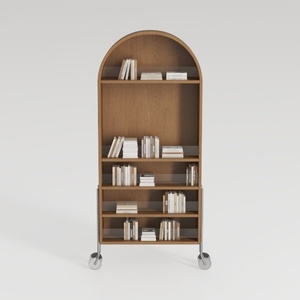

Modern Solid Wood Mobile Arched Bookshelf 3D Model

Minimalist Oak Wood Wall Mounted Floating Shelf 3D Model
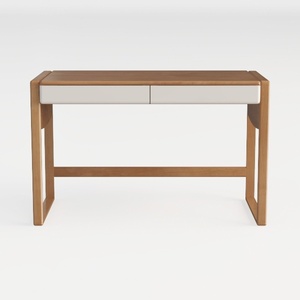
Minimalist Solid Wood Two Tone Writing Desk 3D Model
Homestyler is an incredible online home design platform that empowers you to unleash your creativity. With its user-friendly design tool, stunning 3D renderings, and a wealth of inspiring design projects and video tutorials, transforming your space has never been easier or more enjoyable!
Progetta ora GRATIS
































