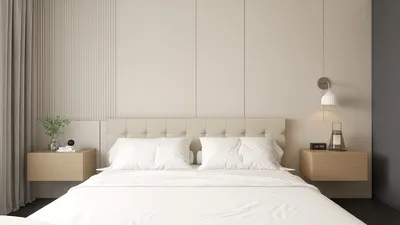


I've designed and optimized an extensive number of compact living spaces ranging from student hostels to micro-apartments, and one principle remains constant: comfort in small areas hinges on smart prioritization. In hostels, while you may not have complete control, you can influence factors such as lighting, ergonomics, sound management, and storage to quickly create a home-like environment. Utilizing task lighting that aligns with the Illuminating Engineering Society guidelines for reading—typically between 300 and 500 lux—can diminish visual strain and fatigue at night. Additionally, consider cognitive load; color schemes featuring calmer tones have been shown to reduce stress and enhance concentration in several studies regarding color psychology. To visualize these ideas, consider using design tools like Homestyler.
Effective design transcends mere aesthetics; it influences significant outcomes. Research by Steelcase connects a sense of control over one’s surroundings—such as lighting, temperature, and ergonomics—to enhanced comfort and engagement. The WELL v2 framework also emphasizes glare management, sufficient illumination, and acoustic convenience as fundamental elements of building wellness strategies, highlighting how seemingly minor decisions (like selecting a task lamp with a shade or incorporating soft materials for sound absorption) can substantially enhance the space. I always keep these criteria in mind when assembling essential items for my clients in hostels.
Space Optimization: Fit, Flow, and Daily Routine
Before making any purchases, take time to outline your daily activities. Where will you study, sleep, store gear, and prepare? Ensuring efficient circulation (even a clear path of 60-75 cm) helps avoid the chaos of confined quarters. If rearranging furniture is possible, experiment with various layouts using a room design tool like Homestyler to help visualize clearances around your bed, desk, and the door. Creating a layout that keeps frequently accessed areas—such as the bedside, desk, and wardrobe—within arm's reach minimizes effort and saves time.
Effective Lighting: Layered, Dimmable, and Glare-Reducing
Bright overhead lights can negatively impact sleep and mood. Aim for a tri-layered approach: ambient (a gentle ceiling or floor lamp), task (a desk lamp adjustable to 300-500 lux), and accent (small LED strips beneath shelves). Opt for a warm to neutral-white color temperature—about 2700-3000K in the evening to signal winding down, and 3500-4000K for focused daytime work. Implement an opaque shade or adjustable head to prevent glare on screens and pages. A compact, dimmable smart bulb allows fine-tuning of brightness without needing multiple fixtures.
Budget-Friendly Ergonomics: Posture, Height, and Accessibility
In smaller rooms, off-the-shelf furniture often does not meet the needs of every individual. If replacing it isn't an option, modify it. For study areas, aim for the top third of your laptop screen to meet your eye level to reduce neck strain; consider using a slim laptop riser paired with an external keyboard and mouse for improvement. Ensure your seating allows for knees at approximately 90 degrees with feet flat on the floor—adding a portable footrest or stable box as necessary. For lengthy study periods, incorporate posture changes: stand for 10 minutes each hour or switch to the bed using a lap desk for brief reading tasks.
Storage Solutions: Maximizing Space with Vertical, Under-Bed, and Modular Options
Focus on upward storage rather than outward. Use shelves above the bed, install wall hooks, and set up a tension rod system with organizers to keep floors spacious. Utilize under-bed bins to store seldom-used items—be sure to measure your clearance before purchasing. Opt for nesting baskets and collapsible crates for flexibility as your storage needs evolve. A small rolling cart positioned next to the desk can double as a nightstand and supply station, keeping frequently used items easily accessible and minimizing clutter.
Creating a Cozy Sleep Environment: Darkness, Quiet, and Temperature Control
Quality sleep is essential for recovery. Blackout masks are far more effective than sheer curtains in many hostel settings. For auditory comfort, layer a soft textile (such as a plush throw or fabric headboard) with a white noise app or a low-profile sound machine to drown out disruptive sounds. If sharing accommodations, establish quiet hours well in advance. The type of bedding matters as well; breathable materials, like cotton percale or linen, help regulate temperature in spaces with shared ventilation. If mattresses lack thickness, consider adding a 2-5 cm foam topper to alleviate pressure points without encroaching on storage space.
Desk Arrangement: Focus Without Distraction
A tidy surface promotes productivity. Use a cable management sleeve alongside a small power strip with surge protection fixed underneath the desk to keep cords neat. Select a clip lamp with a high color rendering index (90+) for more natural illumination on your notes and screens. Create a 'focus kit'—including noise-isolating earbuds, sticky notes, and highlighters—in a designated caddy so you can easily restore order to the desk after shared use. If you are sensitive to visual clutter, consider placing a neutral desk mat to outline the work area and reset the visual field.
Mood and Color: Calming Neutrals with Pops of Energy
Color plays a significant role in influencing behavior. Soft neutrals coupled with cool tones improve concentration and lower stress, while accents such as muted teal or sage can increase feelings of rejuvenation. If painting is not an option, rely on textiles for a color shift—a duvet cover, decorative pillow, and a small area rug can transform the aesthetic without violating regulations. Maintain lower saturation in compact spaces; using two soft shades plus one accent creates balance without overwhelming sightlines.
Acoustic Comfort: Mitigating Echo and Intermittent Noise
Cramped, hard-finished rooms tend to amplify sound. Introduce sound-absorbing materials: a medium-pile rug, cork boards, fabric organizer systems, and a plush throw on a chair can all help. Position soft furnishings on opposite walls to break the echo effect. For late-night study sessions, consider using earbuds that offer passive sound isolation to minimize roommate disturbances without broadcasting audio.
Air Quality and Hygiene Management
Compact spaces can quickly accumulate unpleasant odors and particulates. If an air purifier is not an option, use a window and a small fan to promote cross-ventilation in the room. Designate a tray for shoes at the entrance, and keep a mini cleaning toolkit—disinfectant wipes, microfiber cloths, a collapsible duster—quickly accessible. Launder linens weekly to reduce allergens and dust, and place a small jar of baking soda in the wardrobe to combat humidity-induced odors.
Kitchenette and Snack Preparation Tips
Even when sharing a kitchen, having your own essentials can save time: an electric kettle, a lidded mug, a compact cutting board, a sheath-protected paring knife, and collapsible storage containers. Use clear, labeled bins in the communal refrigerator to prevent mix-ups. A small spice kit (featuring salt, pepper, and chili flakes) can easily fit in a pencil pouch, helping to elevate your meals even in shared settings.
Safety, Privacy, and Shared Living Etiquette
Essentials extend beyond physical items. Use a lockable box to secure passports, cash, and small electronics. If permitted, a curtain or canopy rail around your bed can enhance privacy and light control. Establishing a shared cleaning rota and quiet hours in advance can minimize conflicts. Employ a door hook for essential items like a hoodie, tote, or keys to prevent morning bottlenecks.
My Essential Items for Hostel Living
- Dimmable task lamp (300-500 lux) for the desk
- Warm to neutral light bulbs (2700-4000K range)
- Laptop riser along with external keyboard/mouse
- Noise-isolating earbuds or compact sound machine
- Eye mask and foam earplugs for quiet
- Mattress topper (2-5 cm) if needed
- Under-bed storage bins and over-door hooks
- Rolling cart or slim bedside caddy
- Surge-protected power strip with cable management
- Mini cleaning kit and laundry bag
- Lockable storage container
- Kettle, lidded mug, and collapsible food containers
- Soft rug and throw (for sound absorption and comfort)
Planning Tools and Quick Solutions
Prior to moving in, measure the dimensions of the bed, desk, and under-bed space. Use an interior layout tool like Homestyler to sketch or simulate the arrangement to confirm accessibility, electrical connections, and sightlines. Pack collapsible items first for adaptability with changing rules or roommate dynamics. In the first week, prioritize enhancements in lighting, sleep comfort, and storage—when these elements are secured, the room will feel significantly more spacious.
References to Keep Handy
- The WELL v2 framework’s insights on lighting and acoustics illustrate the importance of quality illumination and sound management for occupant well-being (see wellcertified.com).
- Steelcase's workplace research emphasizes how having control over light and seating options correlates with occupant comfort and engagement (see steelcase.com/research).
Frequently Asked Questions
Q1: What is the optimal lighting level for studying in a hostel room?
A1: For optimal focus, aim for 300–500 lux at the desk with a task light featuring a shade to manage glare. Maintain soft ambient light, selecting neutral-white (3500–4000K) during study time and warmer tones (2700–3000K) for evenings.
Q2: How can thin hostel mattresses be made more comfortable?
A2: Utilize a 2-5 cm foam or latex topper for enhanced pressure relief and thermal comfort. Combine this with breathable cotton or linen bed sheets for better moisture control.
Q3: What's the quickest way to reduce noise without altering the room?
A3: Implement a combination of passive noise isolation (using foam earplugs or sealing earbuds) along with a white noise application. Adding a modest rug and throw can aid in sound absorption, particularly in spaces with hard surfaces.
Q4: How can ergonomic setups be achieved when replacing furniture isn't feasible?
A4: Use a laptop riser to elevate your screen, along with an external keyboard/mouse, and adjust your seating height to ensure knees are close to 90 degrees with your feet supported. Schedule short posture breaks every hour.
Q5: Which storage solutions can enhance capacity without taking up floor space?
A5: Options like under-bed bins, over-door hooks, wall-mounted hooks, and a compact rolling cart work well. Vertical solutions, such as shelves or hanging organizers, help keep essentials organized and off the floor.
Q6: What color schemes are beneficial for relaxation in small rooms?
A6: Use soft, low-saturation neutrals with cool undertones for walls/textiles, complemented by a subtle accent color like sage or muted teal to maintain calmness while still offering visual interest without overcrowding.
Q7: What strategies can enhance air quality in shared rooms?
A7: To improve airflow, position a small fan near an open window to create cross-ventilation. Maintain a simple cleaning schedule, wash bedding once a week, and utilize a shoe tray to minimize dirt tracked indoors.
Q8: Any suggestions for keeping a shared desk clear?
A8: Organize a portable caddy for your focus materials (earbuds, pens, sticky notes) alongside a cable management sleeve for cords. A compact power strip mounted under the desk helps keep the workspace uncluttered and ready for action.
Q9: How can I enhance privacy while staying within hostel guidelines?
A9: If regulations permit, create a light curtain or canopy around your bed using removable hooks for added privacy. Otherwise, rely on an eye mask for darkness and consider a folding screen or bookcase for additional visual barriers.
Q10: What should I pack for move-in day essentials?
A10: A task lamp with warm/neutral bulbs, a laptop riser, a power strip, under-bed bins, an eye mask and earplugs, a lockable storage container, a small clean-up kit, and a kettle with a lidded mug are all essential items.

Homestyler is your go-to online home design platform, perfect for anyone looking to transform their space! With its user-friendly design tool, stunning 3D renderings, and a wealth of DIY video tutorials, you'll find inspiration and guidance to bring your dream home to life effortlessly.
تصميم الآن مجانا
































