

I've meticulously designed and optimized numerous compact wedding venues, ensuring that every square foot serves a dual purpose. Venues like Sangamam are cherished for their intimacy and community atmosphere. By carefully considering spatial ratios, effective lighting, and smooth flow, we can transform constraints into unique character. When executed properly, guests enjoy seamless mobility, balanced acoustics, and the couple remains the focal point, all without the space feeling congested.
Efficiency in space planning does not sacrifice comfort. Studies support this idea: Steelcase has found that spaces that facilitate movement and have well-defined zones enhance perceived spaciousness and overall satisfaction, even in smaller areas (Steelcase Workplace Research). Additionally, WELL v2 highlights the importance of glare management, color temperature adjustments, and sound control as crucial elements for comfort in gathering spaces. These concepts are directly applicable to compact wedding halls, where the comfort and clarity of experiences matter significantly.
Lighting considerations also play a crucial role in determining capacity. The Illuminating Engineering Society recommends maintaining ambient lighting levels between 200 to 300 lux for assembly areas, with higher lighting levels—up to around 500 lux—directed at key features like the mandap or stage. By strategically combining layered lighting and planned circulation paths, we can improve wayfinding and mitigate congestion, which are common challenges in smaller venues.
Maximize Utility of Every Square Foot
Begin with an accurate guest count and a well-defined program that includes the ceremony, dining, entertainment moments, dancing, photo opportunities, and service routes. For smaller venues, I recommend a space planning ratio of 1.0 to 1.2 square meters per seated guest (approximately 10.8 to 13 square feet), which includes aisles. Aisle widths should be a minimum of 900 mm (36 inches), with 1200 to 1500 mm (48 to 60 inches) for major circulation paths. Whenever possible, keep service routes (such as catering and AV) distinct from guest pathways. If your venue layout allows flexibility, use a room layout tool like Homestyler to prototype various configurations to test ingress, egress, and catering routes without surprises.
Stage Placement and Sightline Optimization
In smaller venues, the position of the stage is pivotal, impacting sightlines, table arrangements, and circulation. A shallow, wide stage (450 to 600 mm high; 18 to 24 inches) enhances visibility for the couple while maintaining an intimate atmosphere. Position tables at a 10 to 15-degree angle towards the stage to optimize sightlines and minimize blocked views. Ensure a clearance of at least 1500 mm (60 inches) behind the stage for unobtrusive vendor access and cable management. If you need to divide the space for multiple functions, consider implementing a reversible backdrop that features floral designs on one side and a dining-ready appearance on the other.
Seating Arrangements That Create a Sense of Space
In limited spaces, round tables can占用 considerable room. I often incorporate a mix of 6 to 8 top rounds alongside narrow banquet tables (915 mm/36 inches deep) for a balance of density and elegance. It's essential to maintain a clearance of 1200 mm (48 inches) between chair backs for service. For ceremonies, I suggest using theater-style rows with a pitch of 900 mm (36 inches) and staggered seating to enhance visibility. A half-moon seating arrangement around the mandap conserves space while providing an inviting focal point.
Lighting Techniques to Enhance Depth and Reduce Shadows
Compact venues can often feel confining. Utilizing layered lighting—comprising ambient, focus, and decorative sources—adds depth to the space. For ambient lighting, aim for levels of 200 to 300 lux with a color temperature between 3000 to 3500K to maintain a warm skin tone appearance. For prominent areas like the stage or mandap, target 400 to 500 lux with a slight increase in color temperature (3200 to 3600K) and ensure a Color Rendering Index (CRI) of 90 or above for optimal photography. To enhance the perception of height in the room, position uplights on perimeter columns to reflect light onto the ceilings, while minimizing glare through the use of diffusers and indirect uplighting, following WELL v2 glare management recommendations.
Understanding Color Psychology and Material Choices
Compact halls appear more spacious when utilizing low-saturation, luminous neutral tones—such as warm ivory, soft taupe, or subtle sage—accented with one bold color. Warmer palettes can foster a sense of intimacy; research from Verywell Mind indicates that warm colors (such as reds and oranges) evoke feelings of energy and connectivity, while cooler greens promote calmness and balance. I prefer matte finishes to diminish glare and visual distraction. For added durability and better acoustics, select textiles with high Noise Reduction Coefficient (NRC) ratings in curtains and wall coverings; incorporating felt baffles or decorative acoustic panels that resemble artwork can also enhance the space.
Acoustic Considerations: Ensuring Clear Communication and Lively Music
Hard surfaces can amplify noise. Aim for a balanced reverberation time (RT60) of around 0.7 to 1.0 seconds in small assembly rooms to ensure that speeches sound clear while music remains lively. Incorporate area rugs beneath banquet tables, add soft seating in lounge areas, and utilize perforated wood or fabric-wrapped panels where feasible. Instead of relying on a single loudspeaker, distribute smaller satellite speakers to create even audio coverage and prevent hotspots requiring patrons to raise their voices.
Considering Human Factors: Flow, Comfort, and Accessibility
Guests should have a clear understanding of where to go upon entering the space. Design the layout around three main areas: a welcoming entry point, a central stage, and food & beverage stations. Ensure the welcome area maintains a clearance of 1500 mm (60 inches) from swinging doors. Position the bar across from the stage to balance traffic flow. Create 2 to 3 micro-lounges away from speakers for quieter conversation; incorporating loveseats and side chairs can absorb 10 to 15% of foot traffic during energetic moments. Additionally, make sure that routes comply with ADA standards, with turning spaces of 1500 mm (60 inches) at key intersections.
Managing Back-of-House Operations and Vendor Coordination
In compact venues, operational efficiency is key to enhancing the guest experience. Chart a clear plating path from the pantry to the dining area using corridors of 1200 mm (48 inches). Keep DJ and AV controls visible from the stage but away from guest seating to prevent sound bleed. Create a cue sheet for ceremony cues, lighting changes, and audio levels; reducing unexpected occurrences contributes to smoother operations in constrained settings.
Crafting Stage Elements for Photographs and Live Events
The frame of a camera defines spatial realities. Incorporate depth into the setup: a layered backdrop (600 to 900 mm or 24 to 36 inches) of florals, fabric, or screens behind the couple adds a sense of parallax that appears expansive on video. Limit reflective surfaces in the backdrop of the speakers to avoid glare hotspots. For venues with low ceilings, utilize horizontal decor elements such as canopy lines, garlands, or floating shelves to enhance the perceived spaciousness of the area.
Designing the Entrance, Aisle, and Ritual Spaces
Develop a thoughtful arrival experience: a visually appealing entry, followed by a decompression zone (like a coat check or gift table), and culminating in the reveal of the stage. For processional aisles, widths of 1500 to 1800 mm (60 to 72 inches) convey excellence without crowding the room. Portable aisle markers and modular risers can facilitate quick transformations from ceremony to dining within 20 to 30 minutes; include storage solutions for chairs and decor to prevent interference with exits.
Dining Strategy: Prioritizing Comfort Over Maximum Capacity
In smaller venues, cramming too many seats can be counterproductive. I generally limit seated dinners to the level where service remains smooth and unimpeded—typically about 8 to 12% below the theoretical maximum. For buffet setups, maintain a front clearance of 1800 mm (72 inches) while mirroring food choices and signage on both sides to minimize queuing time. If possible, consider family-style service at banquet tables, as this reduces guest movement and fosters a more communal atmosphere.
Considerations for Power, Safety, and Contingency Plans
Compact spaces can quickly reach their limits with lighting and AV equipment. Accurately calculate total electrical loads, distribute power to prevent tripping, and ensure that cable pathways are taped down and off of main access routes. Maintain clear exit signage and unobstructed egress routes of at least 900 mm (36 inches). Be prepared with contingency plans for unexpected weather or delays, particularly if outdoor events are anticipated.
Utilizing Visualization Tools and Iterative Design
Prior to final decisions, use an interior layout planner to experiment with different seating density, stage sizes, and service pathways; small adjustments to angles or aisle widths can significantly increase both capacity and comfort. Tools like Homestyler can be invaluable for optimizing layouts to enhance user experience.
Case Studies: Consistent Success Tactics
Expert Resources for Informed Decision-Making
For additional insights into human-centered design and comfort standards, refer to Steelcase’s research on effective spatial design and WELL v2 guidelines on lighting and acoustics. Both resources affirm that with careful orchestration of light, sound, and circulation, even compact venues can offer a spacious feel and a memorable experience.
Frequently Asked Questions (FAQ)
Plan for 1.0 to 1.2 square meters (10.8 to 13 square feet) per seated guest, inclusive of aisles. In a hall measuring 150 square meters (~1,615 square feet), this is typically conducive to seating 120 to 140 guests while ensuring efficient circulation.
Aim for ambient lighting levels of 200 to 300 lux at a color temperature of 3000 to 3500K, with spotlighting at the stage set between 400 to 500 lux and a CRI of 90 or better for accurate skin tones. Employ uplights and diffusers to reduce glare and shadows.
Utilize both round and narrow banquet tables (36 inches/915 mm deep) to enhance density while maintaining a sociable environment. Ensure a clearance of 48 inches (1200 mm) between chair backs for service access.
Incorporate fabric drapes, area rugs beneath tables, felt baffles, and upholstered panels to absorb sound. Use multiple smaller speakers instead of a single unit to mitigate hotspots and lower overall audio volume.
Maintain a minimum of 36 inches (900 mm) for secondary aisles and between 48 to 60 inches (1200 to 1500 mm) for main routes, particularly around buffet and bar areas.
Ensure a clear 72 inches (1800 mm) in front of buffet areas and replicate the same items on both sides for reduced waiting times. Implement clear signage and provide staff assistance to halve average queue lines.
Employ low-saturation neutrals (such as ivory, taupe, or muted sage) combined with a single accent color. Matte finishes help limit glare and visual distractions, contributing to a more open feel.
A height of 18 to 24 inches (450 to 600 mm) is typical for small halls. Maintain a wide and shallow stage, angle seating towards it, and ensure backstage clearance of at least 60 inches (1500 mm).
Ensure clear routes of at least 36 inches (900 mm), with 60 inches (1500 mm) turning circles at key junctions, allowing accessible seating to be integrated directly into the main area, rather than being sidelined.
Utilize portable aisle markers, reversible backdrops, stackable chairs, and pre-staged linens. Designate storage areas and prepare a timed cue sheet for vendors to ensure smooth transitions.
Lighting that is overly warm (below 2700K) can create an intimate atmosphere but may distort colors in photos. A color temperature range of 3000 to 3500K balances warmth and clarity, which is especially important for skin tones and floral arrangements.
Alter seating arrangements, keeping decor low in front rows and utilizing risers sparingly. Angle tables 10 to 15 degrees towards the stage for optimal viewing angles.
A target RT60 of around 0.7 to 1.0 seconds in small assembly areas helps maintain speech clarity while ensuring music doesn’t feel lackluster.
Employ a layout simulation tool to explore various options for seating density, stage dimensions, and service pathways; iterate these configurations until smooth and natural flow is achieved.
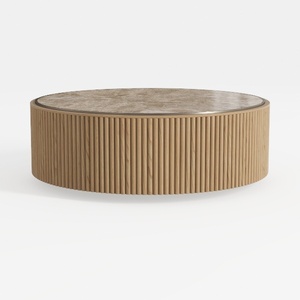
Round Coffee Table with Storage,Fluted Lift Up
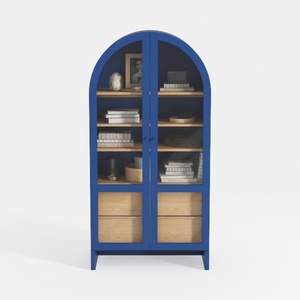
Arched Kitchen Pantry Cabinet with Glass Doors
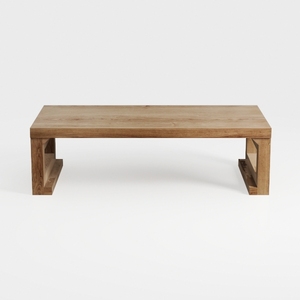
Bed Table Bed Desk Living Room Simple and Creative
Homestyler is your go-to online home design platform that makes creating stunning spaces a breeze! With its user-friendly design tool, impressive 3D renderings, and a wealth of DIY video tutorials, transforming your home ideas into reality has never been simpler. Start designing today!
Zaprojektuj teraz za darmo
































