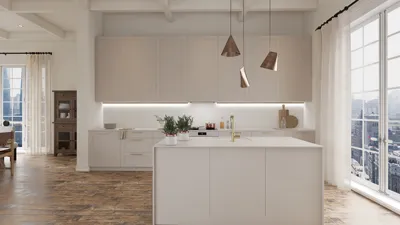



When well-designed, compact hotel rooms can appear spacious by harmonizing proportions, light, and movement. Over the past ten years in hospitality design, I’ve discovered that with smaller areas, every detail matters—selecting the right materials, colors, lighting, and layouts is crucial. Guests quickly assess comfort; aspects like bed quality, soundproofing, visual tranquility, and efficient storage are key in making a small room inviting rather than confining. Research from Steelcase emphasizes that a visually organized environment enhances perceived control and reduces cognitive stress, a principle that applies seamlessly to compact accommodation settings where guests adapt to new spaces quickly.
Utilizing light effectively is the quickest method to create a more open atmosphere. The Illuminating Engineering Society (IES) advocates for a balanced lighting approach that minimizes glare while ensuring vertical surfaces are adequately lit. Typically, I aim for ambient lighting at 150–200 lux and reading lights around 300–500 lux, using warm white color temperatures of 2700–3000K for relaxation. The WELL v2 standards also focus on controllability; allowing guests to adjust brightness and create bedside presets can enhance their comfort and improve sleep quality. For lighting design, I combine indirect ceiling lighting, strategically placed wall lights to accent verticals, and focused bedside lamps, steering clear of harsh downlights that disrupt relaxation.
Designing the Room Around Key Activities
In smaller hotels, it’s essential to create designs based on three daily rituals: rest, refreshment, and preparation. Position the bed along the wall as a focal point; ensure movement flows smoothly on one side and avoid creating obstacles between the bed and window. A compact, wall-mounted desk or dressing area adjacent to natural light allows guests to work or prepare comfortably. To optimize space layouts, using a design tool akin to Homestyler can streamline the process of testing furniture arrangements, sight lines, and clearances effectively, allowing for multiple layouts that maximize comfort and privacy.
Harnessing Color Psychology to Influence Perception
The choice of color can greatly affect the perception of room size. Soft neutral tones with warm undertones—like light oatmeal or mushroom—provide a calming backdrop that complements wooden and metallic accents. According to Verywell Mind, shades of blue and green promote tranquility and restoration; therefore, I typically use these hues for textiles and art pieces, keeping walls subdued. Darker, richer colors serve best as accents—such as in headboard features or vanity areas—adding depth without overwhelming the space.
Strategic Layering of Lighting for Ambiance
Ambient lighting should be consistent and indirect, avoiding sharp contrasts that tire the eyes. Task lighting should be placed in areas where guests need to read or apply makeup, using adjustable heads and warm dimming features to enhance evening comfort. Accent lighting—like slim LED strips under shelves—introduces depth without sacrificing overhead space. I prefer lights with a CRI of 90+ to accurately represent materials, particularly for skin tones. For nighttime navigation, a low-wattage toe-kick light can provide safe passage without disturbing a companion.
Enhancing Acoustic Comfort for Better Rest
Insufficient soundproofing can ruin the experience of even the highest-quality mattress. Compact rooms require acoustic seals on doors, soft fabrics like drapes, and targeted panels in areas with hard surfaces. Position mechanical systems away from the headboard wall and choose quiet operating fans beneath 30–35 dB(A). In corridor designs, staggered doors help minimize shared wall noise between rooms, and even simple upholstered features can enhance speech privacy and reduce echo.
Innovative and Discreet Storage Solutions
Clutter can make a small room feel even smaller. I implement luggage shelves at a height of 550–600 mm with pull-out surfaces, wardrobes with adequate hanging space, and slender drawer units for smaller items. Open shelving near the entrance keeps essentials like keys and chargers organized. Using flush hardware can help maintain a clean aesthetic. For ultra-compact spaces, a rail system with hooks and foldable mirrors provides accessible storage without the need for bulky furniture.
Appropriate Furniture Scale and Spatial Planning
Choosing the right size for furniture is critical in maintaining clear pathways. Ensure bed paths are minimally 700–800 mm wide and nightstands, while slim, should be tall enough—targeting a footprint of around 280–350 mm with added storage options. Opt for low-profile sofas with open legs to keep sight lines clear. Fold-down desks should have a usable depth of at least 300 mm when in use. To preserve circulation, avoid overly thick mattresses that bring beds too close to walls; a well-positioned profile of about 250–300 mm typically provides optimal balance between support and movement.
Texture, Materials, and Eco-Friendly Choices
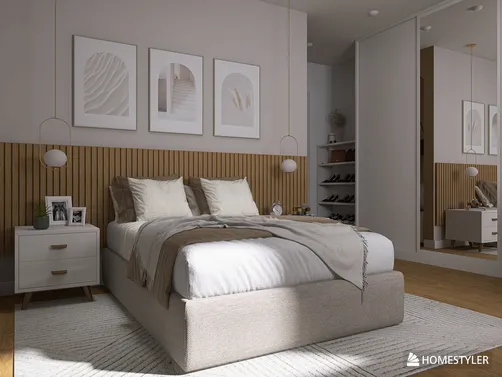
Compact spaces benefit more from textural variety rather than excessive decoration. Matte finishes reduce glare, while ribbed wallcoverings introduce subtle shading, and sustainably sourced woods enhance the space's warmth. I recommend durable, low-VOC finishes and textiles with high durability ratings to manage wear over time. When selecting countertops, the thermal comfort should be balanced with ease of upkeep. Incorporate a standout material—like a beautifully designed fluted ash headboard—used sparingly for consistent aesthetic appeal.
Efficient Bathrooms That Feel Spacious
Glass enclosures and wall-mounted fixtures create a more open appearance in bathrooms. Maintain clearances of 600 mm in front of toilets and 800–900 mm for showers, and consider using linear drains for curbless designs. Backlit mirrors provide optimal lighting, while incorporating micro-storage solutions like recessed shelves can help maximize the available area. A singular band of accent tiles can visually stretch a narrow bathroom space without it feeling heavy.
Behavioral Signals and Navigational Clarity
Guests tend to seek out cues indicating where to store bags, charge devices, or relax. Strategically position a charging shelf equipped with both USB-C and wall outlets near the entrance. Controls near the bed should be simple and labeled visually with icons instead of text. Use art or color to guide the eye towards window views, creating an illusion of depth. At night, a gentle light near the bathroom can assist in movement while keeping the rest of the area dim.
Adjusting Light Temperature for Evening Comfort
I customize lighting scenes to promote circadian rhythms: cooler daylight-like lighting (4000K) works well for morning routines, while evenings transition to a warmer 2700K. Dimmers should operate smoothly to avoid flickering, and controls must be within reach from both sides of the bed. To prevent sleep disturbances, ensure accent lights do not exceed 50–75 lux after dark and maintain a consistent lighting layout.
Achieving Visual Harmony with Art and Fabrics
In smaller spaces, artwork should complement rather than overpower. I typically select one large piece above the headboard or a pair of slender vertical artworks to draw the eye upward. Layering textiles such as light covers, textured throws, and various pillow sizes adds depth without bulkiness. Choose drapery with subtle vertical stripes or pleats to elongate visual space, and position rugs appropriately to frame the bed while aiding in cleanliness.
Seamless Technology Integration
To maintain a streamlined look, conceal mini-fridges behind ventilated panels, store kettles securely in drawers with necessary heat protection, and mount TVs on moveable arms that don’t interfere with walking areas. Cable management is essential; employing grommets and chase panels keeps surfaces tidy. Provide QR codes for equipment guides, but ensure that crucial functionalities—like lighting and climate controls—remain accessible through traditional interfaces.
Ensuring Privacy, Views, and Comfort
Frosted glass in bathrooms allows for both openness and privacy. If the room faces a busy street, consider utilizing double-layer drapes: sheer for daylight privacy and blackout options for uninterrupted sleep. Well-placed mirrors can amplify views, but avoid placing them directly across from the bed to maintain comfort. In cases of limited windows, a softly lit feature wall can create the illusion of a view.
Emerging Trends for 2024-2025 in Compact Hospitality
The micro-luxe trend is gaining traction, focusing on quality rather than quantity with luxurious bedding, tactile wood elements, and well-crafted lighting. Current designs incorporate soft biophilic motifs and plant-inspired accents to evoke nature. Multi-functional furniture—like dining surfaces that double as workplaces—reduces the need for additional pieces while enhancing the guest experience. Sustainability remains a priority, encouraging durable materials and components that reduce waste and lower long-term costs.
Research reiterates the importance of essential features: WELL v2 highlights the impact of lighting control and sound management for enhanced sleep recovery, while studies from Steelcase link visual structure with decreased cognitive demands—a principle I apply by simplifying designs and enhancing storage. To maintain optimal lighting levels, I consult the IES guidelines to foster a soft, inviting ambiance that prioritizes guest comfort.
Optimized Layout Strategies for Small Spaces
Two effective layouts include the single-corridor model with the bed positioned along the longest wall and the window-led design flanking a bench under the glass. Both configurations promote an unobstructed path from entry to bathroom. Utilizing an interior layout planner similar to Homestyler can help ensure comfort while complying with usage regulations by analyzing clearances and accessibility quickly.
Frequently Asked Questions
Ensure to favor soft, ambient lighting and include vertical illumination on walls, along with dimmable bedside lamps. A balanced approach minimizes harsh contrasts and enhances a sense of spaciousness, with evening scenes kept warm (2700–3000K) for tranquility.
Aim for a clearance of 700–800 mm on the main circulation side and no less than 600 mm on secondary pathways. Keep pathways direct from entry to bath to avoid nighttime hazards.
Opt for soft neutral colors on walls paired with calming blues or greens through textiles and artworks. Dark tones should be reserved for thoughtful accents or trim to avoid making the space feel smaller.
Ensure doors are properly sealed, utilize soft fabrics for sound absorption, and avoid placing mechanical systems behind the bed head. Whenever possible, arrange rooms to prevent shared headwalls.
Incorporate wall-mounted luggage solutions, tall wardrobes with sufficient hanging space, recessed storage options, and a handy rail-and-hook system by the entryway. Strive for neat cable management near working areas.
Adhere to IES recommendations for glare reduction and optimal light levels, and follow the WELL v2 standards for user control and comfort. Dimming functions, warm night color temperatures, and vertical light sources are essential.
Conceal appliances effectively with panels, offer clearly marked controls for essential functions, and manage cables to keep spaces clean and user-friendly.
Utilize low-VOC materials, durable textiles, responsibly sourced woods, and matte finishes to minimize glare. Repeating a singular elegant material detail adds unity without clashing.
In bathrooms, implement wall-mounted fixtures, linear drains for seamless showers, backlit mirrors for optimal lighting, and recessed storage to maximize counter space. Clear glass partitions open visual space while frosted sections ensure privacy.
Designate obvious areas for bag storage, charging stations, and relaxation. Controls should be straightforward, with simple scenes and strategically placed switches that lead the gaze toward windows for an airy feel.
Built on technology originally developed at Autodesk, Homestyler empowers anyone to design beautiful, realistic spaces in minutes. Join over 20+ million registered users (platform data, 2026) who have already discovered a smarter way to plan, visualize, and bring their dream homes to life — all from the comfort of a browser.

Minimalist Solid Oak TV Stand with Storage Open Shelves 3D Model
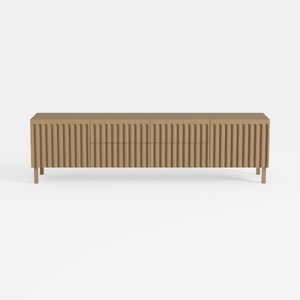
Minimalist Fluted Solid Wood TV Stand Cabinet 3D Model
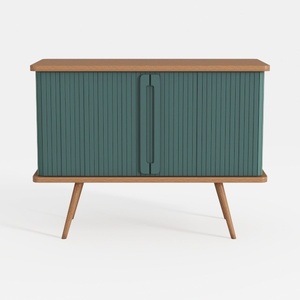
Mid-Century Solid Wood Fluted Sideboard Storage Cabinet 3D Model
Homestyler is an exceptional home design platform perfect for those looking to transform their spaces. With its user-friendly online design tool, stunning 3D renderings, diverse design projects, and helpful DIY video tutorials, you can easily unleash your creativity and create your dream home!
Design Now for FREE


















![Design [1]](https://hs-designs.homestyler.com/production/design/images/87c3311f-b762-48e5-aa6c-2a61ff42aaa8/1731347951087/7837764.jpg?x-oss-process=image/resize,w_502,m_mfit/format,webp)


