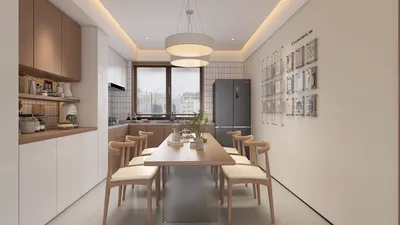


Transitioning to a PG room doesn’t imply sacrificing your unique style or comfort. With over ten years of experience in designing compact living spaces, I've found that the most impressive makeovers stem from straightforward, layered choices: illumination, arrangement, materials, and a coherent color narrative. Begin with a design that honors your lifestyle—whether it's sleeping, studying, or storing—and everything else will naturally align.
Effective lighting can instantly enhance the sense of space and tranquility in a PG room. The WELL v2 Light framework suggests that achieving a balance in illumination while managing glare is essential for visual comfort and supporting circadian health. Targeting task lighting within the 300–500 lux range for study areas is a practical approach, while a warmer ambient light (2700–3000K) plays a vital role in helping you unwind. Research from Steelcase emphasizes the link between well-optimized environments and enhanced focus and wellness, highlighting how thoughtful lighting decisions can significantly impact daily productivity.
Space is often limited, making intentionality crucial. Establish a clear path of at least 24-28 inches from the entrance to bed or desk, which minimizes daily inconveniences and maintains airflow in the room. If you’re reevaluating your layout, consider utilizing a room layout tool like Homestyler to visualize options before shifting furniture—taking into account bed orientation, desk placement near natural light, and storage access can save time and prevent errors.
Establish Your Color Palette
Color influences ambiance and complements style. For PG rooms, I prefer a dual-neutral foundation with a single accent: consider soft greige walls paired with white bedding and hints of muted teal or terracotta in cushions and throws. Research on color psychology indicates that blues inspire calmness and concentration, while greens convey renewal—qualities beneficial for achieving a balance between study and rest. Keeping larger surfaces light can create an illusion of spaciousness, while introducing color through textiles and artwork allows for easy updates.
Layer Your Lighting for Optimal Comfort
Incorporate three types of lighting: ambient, task, and accent. Ambient lighting could be a dimmable warm LED ceiling fixture or a paper lantern designed to diffuse glare. Task lighting should include a desk lamp with a matte shade and a 90+ CRI bulb around 4000K to facilitate accurate reading while minimizing eye strain. Finally, accent lighting like string LEDs placed behind the headboard or under shelves can create depth without overwhelming the space. It's advisable to avoid ultra-cool light (5000K+) in the evening, as it can be too stimulating for relaxation.
Functional Small-Space Layout
Position the bed where you're visible to the door but don’t sit directly in line with it to enhance visual control and reduce disturbances from light during the night. Situating the desk near a window allows you to take advantage of daylight and maintain good ergonomics; glare can be mitigated with a sheer curtain. Ensure at least an 18-inch reach to commonly used storage, and confirm that your chair can slide out fully without obstructing the bed. If you're experimenting with configurations, using an interior layout planner like Homestyler can quickly help assess clearances and movement.
Stylish Storage Solutions
Open shelving above the desk can serve dual purposes as both display and storage. Opt for matching boxes (linen or kraft) to conceal clutter and promote a tidy aesthetic. Under-bed storage drawers are excellent for seasonal clothing; label them on the front to simplify finding items. A slim over-door rack can hold scarves, belts, or lightweight jackets. Emphasize verticality; tall bookcases can free up floor space and create an illusion of higher ceilings.
Textile Choices for Warmth and Sound Absorption
Soft textiles not only look aesthetically pleasing but also enhance acoustic comfort. A thick wool-blend rug will absorb footfall and lessen echo, which is particularly beneficial in PG buildings with shared areas. Combine breathable cotton percale sheets with a quilt and one denser throw to optimize thermal comfort throughout the seasons without requiring extensive storage. Choose curtains made from a cotton-linen blend to filter light while muffling street noise.
Material Selection: Durable and Easy to Maintain
Living in a PG environment necessitates materials that can withstand regular cleaning and potential relocations. Prioritize solid wood or metal frames over fragile composites; select finishes that are low in VOCs to promote healthier indoor air quality. Accessories like recycled cotton cushion covers, bamboo trays, and rattan baskets add tactile interest without heaviness. If you're considering a compact desk, a powder-coated steel frame paired with a laminate surface offers budget-friendly resilience during multiple relocations.
Ergonomic Desk Design Without Clutter
Comfort can significantly boost productivity. Ensure the monitor is positioned at or just below eye level, and maintain a 90–100° angle at the elbows. Adjust the chair height so that your knees are at a 90° angle with feet flat on the floor; using a footrest or stacked books can help achieve this. Place task lighting on the opposite side of your writing hand to prevent shadows from obstructing your work. A sleek keyboard tray or repositioning the monitor can help maximize desk space for notebooks and materials.
Wall Decor for Personal Expression
Apply a gallery rail technique: create a horizontal alignment of two or three frames—maintaining balanced spacing fosters a calming rhythm. Combine a typographic print, a small scenic image, and a personal snapshot. Incorporate a floating shelf for a plant and a beloved book. Command hooks can easily form a mini-entry for keys and bags without damaging walls, ensuring an organized and tenant-friendly environment.
Creating Micro-Zones: Sleep, Study, Reset
Distinct areas can be defined through the use of rugs or different lighting: a bedside lamp signifies the sleep zone; a dedicated desk lamp indicates study time; a small floor cushion by the window may serve as a relaxation space for stretches or phone calls. This approach to behavioral zoning enhances your ability to shift mental modes seamlessly, alleviating the blur common in single-room living situations.
Cost-Effective Styling Tips
Replace plastic bins with woven baskets to enhance visual warmth. Implement a bed runner for a curated, hotel-inspired touch. Position a mirror across from a light source to amplify illumination within the room. Updating cabinet pulls to brushed brass or matte black can streamline the look of your accents. Keep cords neatly tucked in a fabric sleeve; visual organization is especially significant in smaller spaces.
Maintaining Light Hygiene and Sleep Patterns
Keep evening light levels soft and warm; utilizing a 2700K bulb on a bedside dimmer can aid in relaxation. If streetlight intrusion is an issue, layer sheer curtains with blackout panels. Minimize screen time or activate night mode at least 30–60 minutes prior to bedtime to lessen blue light exposure—this can greatly enhance your sleep quality and morning alertness.
Incorporating Plants and Natural Textures
Introduce one or two low-maintenance plants—like a ZZ plant or pothos—to add life and comfort to corners and enhance visual appeal. Combine greenery with natural textures through items like a cork pinboard, a jute tray, and a rustic ceramic mug. Utilizing nature-inspired materials decreases visual clutter and contributes to a grounded atmosphere in the room.
Easily Transportable Personalization
Select decor that is easy to pack: fabric posters, collapsible storage ottomans, and petite lamps. A small diffuser with soothing aromas (like cedar or lavender) can provide a sense of continuity through moves, making any PG room quickly feel like home upon unpacking.
Quick Reference Guide
- Establish a color foundation with two neutrals plus one accent.
- Layer ambient, task, and accent lighting in the range of 2700–4000K.
- Experiment with furniture arrangement using a layout simulation tool before relocating items.
- Focus on ergonomic desk setup and effective cable organization.
- Opt for vertical storage solutions and sound-absorbing textiles.
- Incorporate renter-friendly decor, art pieces, and greenery for a lively touch.
Frequently Asked Questions
Q1: What light temperature is ideal for a PG room?
A1: Aim for warm ambient lighting around 2700–3000K for relaxation, combined with a neutral task light near 4000K for study purposes. This is consistent with WELL v2 recommendations on achieving a balance for visual comfort and circadian support.
Q2: How can I minimize glare at my desk while allowing natural light in?
A2: Place the desk perpendicular to the window, employ sheer curtains, and opt for a matte finish task lamp. Avoid placing glossy surfaces in direct sunlight to reduce reflections.
Q3: What stylish storage options are suitable for small spaces?
A3: Consider under-bed drawers, uniform fabric boxes, vertical shelving, and slim over-door racks. Maintaining consistency in materials (such as linen, rattan, or metal) creates a coherent visual theme.
Q4: Which colors enhance concentration while studying?
A4: Cooler shades such as soft blues paired with balanced neutrals are beneficial. Insights from color psychology link blue with tranquility and improved focus—perfect for study areas.
Q5: How much clearance should I maintain around furniture?
A5: Ideally, keep a clear path of about 24–28 inches for main walking areas, and maintain at least 18 inches of space around frequently accessed storage. This aids in mobility and prevents daily disturbances.
Q6: What materials are best for frequent moves?
A6: Solid wood or metal frames, powder-coated steel desks, and wash-friendly textiles (like cotton and wool blends) are ideal. Steer clear of delicate particleboard for essential furniture.
Q7: How can I improve acoustics in PG rooms quickly?
A7: Incorporate a thick rug, lined curtains, layered bedding, and bookshelves filled with various items to help absorb sound and minimize echoes without heavy construction efforts.
Q8: What strategies allow me to personalize walls without causing damage?
A8: Utilize command hooks, adhesive gallery shelves, fabric posters with detachable strips, and lightweight frames. Maintain a level and cohesive layout for a polished finish.
Q9: What simple ergonomic adjustments can enhance comfort during study sessions?
A9: Positioning the monitor at eye level, keeping elbows at about 90°, and ensuring feet are flat assist in comfort; a footrest may be necessary. Strategically place task lighting opposite your dominant hand to avoid casting shadows.
Q10: How can I create a sense of spaciousness in a small room?
A10: Utilize light-colored walls, mirrors in proximity to light sources, vertical storage solutions, and a consistent color scheme to minimize visual clutter. Stay away from heavy colors, keeping them limited to small accents.

Sideboard Buffet Cabinet with Storage, Accent
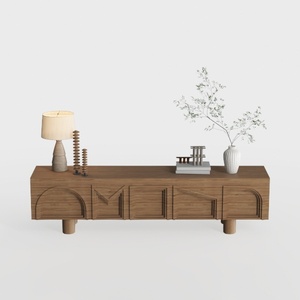

Minimalist Carved Solid Wood TV Stand Console Table 3D Model
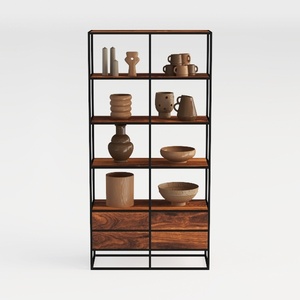
IRONCK Bookshelves 5 Tiers, Corner Bookshelf with
Looking to redesign your space? Homestyler is your answer! This user-friendly online platform offers an incredible design tool, stunning 3D renderings, and a host of DIY video tutorials. Create, visualize, and transform your home design ideas effortlessly, regardless of your experience level!
Progetta ora GRATIS
































