

Designing a bachelor apartment requires meticulous planning and smart choices. My focus revolves around optimizing spatial ratios, integrating multipurpose furniture, and utilizing lighting to create an atmosphere that feels expansive, bright, and distinctively personal. The importance of space cannot be overstated: Gensler’s Workplace Research asserts that well-designed environments promote well-being and productivity; this concept translates to residential settings, where clear zones, adjustable lighting, and ergonomic layouts lead to enhanced comfort and daily efficiency. For instance, lighting standards recommend that living areas maintain a brightness between 100-300 lux, while task lighting should range from 300-500 lux to minimize eye strain and establish a welcoming ambiance.
Comfort extends beyond just lighting and layout; it is also about how people engage with their environment. Research from Herman Miller emphasizes that inadequate support during prolonged sitting can hinder comfort and focus. To address this, I select dining chairs with lumbar support or opt for compact, adjustable task chairs for workspace areas. The WELL v2 framework further highlights the significance of acoustic and visual comfort—mitigating glare, ensuring sufficient contrast, and including sound-absorbing materials can transform small spaces into serene retreats. Moreover, color psychology plays a practical role as well: evidence from studies indicates that calming cool tones (such as soft blues and greens) can alleviate stress, whereas vibrant warm accents can energize a space. In compact apartments, I prefer neutral shades for walls and introduce color through fabrics and artwork, effectively enhancing mood without compromising the sense of space.
Establish Clear Zones in a Compact Space
I typically designate three key areas: living/entertainment, sleeping, and workspace/dining. Even in studio layouts, a slender area rug positioned under the sofa can delineate the living zone; using a low bookshelf or open shelving can subtly separate the sleeping area without obstructing light. When planning furniture and circulation space, utilizing a room layout tool can assist in testing clearances—ideally, pathways should measure 30-36 inches, while there should be at least 18 inches of space around coffee tables for smooth movement. Incorporating sliding panels or curtains can provide privacy for guests without the need for permanent walls.
Scale Furniture to Fit Proportions, Not Ideals
To minimize visual clutter, select slim-profile seating, narrow sofas, and furniture with raised legs that allow more of the floor to be visible. In confined spaces, a 72-78 inch sofa is often more effective than a bulky sectional; pairing it with a nesting coffee table or a lift-top table that can function as a desk is ideal. While a queen bed may be feasible, full-size beds with under-bed storage can facilitate better room flow. Keep nightstands compact (ideally 12-16 inches wide), mount reading lights on walls to free up table areas, and choose a headboard with integrated shelves when closet space is limited.
Incorporate Flexible Furnishings for Versatile Living
Multi-functional furniture offers incredible utility: consider drop-leaf tables that transition from compact consoles to dining spaces, ottomans that double as storage and extra seating, and media consoles with doors that conceal equipment for a tidier aesthetic. If entertaining occasionally, consider folding chairs hung on a wall hook to save space. A sleeper sofa with a tri-fold memory foam mattress is a valuable investment for frequent guests, but a slim sofa with a high-quality air mattress may suffice for those rare overnights.
Optimize Lighting Layers and Control Glare
It’s essential to layer lighting: include ambient (ceiling fixtures or floor lamps), task (adjustable lights near seating or work areas), and accent lighting (LED strips on shelves or art displays). Maintain ambient lighting at 100-300 lux and task lighting at 300-500 lux, in line with IES recommendations. For relaxation, use warm-white bulbs (2700-3000K) in living and sleeping areas, and opt for cooler tones (3500-4000K) near work surfaces to enhance clarity. It’s crucial to manage glare with fabric shades, matte surfaces, and light-diffusing curtains; placing screens perpendicular to windows can help minimize reflections. Dimming options allow for seamless mood transitions from work to leisure activities.
Smart Storage Solutions to Avoid Visual Clutter
Utilizing vertical space is imperative: install 12-15 inch deep wall shelves above eye level to keep surfaces clear and sightlines open. Select media units equipped with cable channels and doors to eliminate visual noise. A tall cabinet near the entry can store cleaning supplies and rarely used items—daily essentials should be kept in a easily accessible drawer by the door. Improving closet efficiency can be achieved by using double-hang rods, slim velvet hangers, and bins for off-season gear, thus keeping the visual load low by hiding away items not needed daily.
Color, Texture, and Material Consistency
Neutral wall colors (such as warm gray, soft beige, or off-white) enhance the feeling of space. A limited color palette—two primary neutrals complemented by one accent color—helps avoid fragmentation. Texture adds dimension: opt for boucle or woven materials, low-pile rugs for easy upkeep, and matte wood finishes to reduce glare. For environmentally conscious choices, seek FSC-certified wood and low-VOC paints; durable, easy-clean fabrics such as performance polyester blends can keep the apartment looking sharp with minimal effort.
Sound Comfort for Open Concepts
Small apartments can often create echoing effects. Consider adding rugs, upholstered seats, and fabric curtains to absorb sound. Books on open shelves can serve as acoustic diffusers, while soft-close cabinet hardware minimizes noise. For those working from home, a portable acoustic screen near the desk can help manage sound without permanent alterations. Placing noisy appliances behind doors and using rubber feet on metal furniture can also mitigate vibrations.
Compact Work Areas That Don’t Take Over
For laptop work, utilize a 30–48 inch wall-mounted desk or a compact table with built-in drawers. Ensure adequate task lighting at 300-500 lux, and select a slim, supportive chair that won’t crowd the space. Keep peripherals organized in a single cable box to reduce clutter. If a larger monitor is necessary, consider mounting it on an arm that can be extended as needed.
Efficient Kitchenette Designs
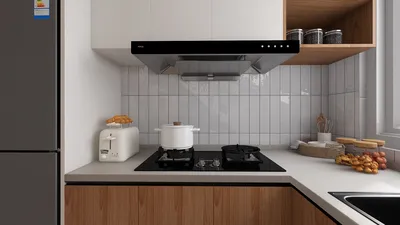
In a bachelor pad, an efficient galley or L-shaped kitchenette with 24-inch appliances can feel spacious if countertops remain uncluttered. Utilize a magnetic knife strip, a foldable dish rack tucked away in a drawer, and a single multi-function cooker to reduce the need for multiple cooking devices. Under-cabinet LED strips can enhance task visibility. Maintain a coherent color scheme that echoes the living area; excessive material variation can create a busy appearance.
Entry and Wardrobe Organization
Install an entry shelf, a small tray for keys, and a wall hook to minimize clutter. When shoe storage is ample, opt for a vertical rack with angled shelves for better capacity. In the bedroom area, a full-height wardrobe with mirrored doors can enhance the perceived space, while interior drawers keep items like socks and accessories organized. If spatial layout is uncertain, using an interior layout planner like Homestyler can enable efficient testing of storage solutions before purchasing.
Expressing Personal Identity Through Art and Lighting
Center the living area around a large piece of art or a tightly arranged grid of frames for a cleaner look, rather than scattering small pieces everywhere. Incorporate adjustable picture lights or slim wall washers to create a gallery feel. Utilize table lamps with dimming features for a cozy evening atmosphere, while concealed LED strips behind a headboard can provide subtle illumination without occupying floor space.
Maintaining Balance in Small Space Ratios
I adhere to certain spatial ratios: maintain varied furniture heights (low seating, mid-height tables, taller shelves) to create visual interest; limit oversized furniture to ideally one prominent piece per zone; and ensure at least 60% of the floor remains visible to cultivate a sense of spaciousness. In narrow spaces, arrange taller storage solutions against shorter walls to create the illusion of width.
Visualizing Layout Scenarios
Position the sofa opposite a media wall, marking the living area with a rug. A low bookcase can back the sofa while providing a subtle screen for the sleeping area. A wall-mounted desk oriented towards natural light can be paired with curtains for nighttime privacy. Use layout simulation tools like Homestyler to guarantee ease of movement for guests, without intruding on the sleeping area.
Position the bed within an alcove, using a curtain for added privacy. Keep the main living space uncluttered with a simple sofa, nesting table, and a compact media unit. Adding tall shelves above the alcove can provide additional storage and place a picture light for comfortable reading.
Opt for a living area designed for entertaining, featuring a slim sectional and a round dining table that can double as a workspace. In the bedroom, implement full-height wardrobes on one wall, leaving the rest open for artwork and mirrors. A floor lamp near the sofa can also serve as a task light for reading.
Daily Maintenance andFlow Management
Each item should have its designated place, complemented by a daily organization rule. Aim for countertops to remain 80% clear, commit to a quick five-minute clean-up every night, and refresh decor seasonally to prevent visual clutter. Prioritize washable slipcovers or performance fabrics, which can withstand the demands of daily life. A small apartment thrives not only on smart design but also on consistent daily habits.
Useful References and Suggested Readings
For evidence-backed insights into spatial quality and ergonomics, consider exploring Gensler’s research library and Herman Miller’s findings. For practical guidance on lighting standards and comfort strategies, the IES framework and WELL v2 offer valuable benchmarks.
Common Questions
Q1: What is the ideal sofa size for a studio?
A1: A 72-78 inch sofa strikes the right balance between seating capacity and circulation space. Elevated legs and narrow arms reduce visual bulk, while nesting tables keep pathways clear.
Q2: What brightness level should I aim for in my apartment?
A2: Target ambient lighting of around 100-300 lux for social areas and 300-500 lux for reading or tasks, adhering to IES recommendations. Utilize dimmers to adjust lighting as needed.
Q3: Which colors can make a small space feel more expansive?
A3: Light, neutral wall colors (like warm gray or off-white) can enhance perception of space. Introduce color through textiles and artwork; cool tones promote calm, while warm accents add vibrancy, according to color psychology research.
Q4: How can I achieve privacy without building walls?
A4: Use curtains, sliding panels, or a low bookcase to create designated areas. A rug beneath the sofa can anchor the living area and visually segregate it from the sleeping space.
Q5: What does an efficient workspace setup look like?
A5: A wall-mounted desk (30-48 inches wide), an adjustable task light (300-500 lux), and a compact supportive chair should suffice. Mount larger monitors on an arm to save workspace.
Q6: What measures can I take to improve acoustics in a small apartment?
A6: Incorporate rugs, upholstered furniture, fabric curtains, and add books to shelves for sound diffusion. Soft-close hardware and rubber feet can help minimize noise and vibrations.
Q7: What storage strategies can help avoid a cluttered appearance?
A7: Optimize vertical space with 12-15 inch deep shelves, conceal cables within a media unit, and consider double-hanging rods and slim hangers in your closet. Keep daily use items readily accessible near the entry.
Q8: Are multifunctional pieces beneficial in compact apartments?
A8: Certainly—pieces like drop-leaf tables, lift-top coffee tables, storage ottomans, and sleeper sofas (if guests visit frequently) provide flexibility without sacrificing space.
Q9: What color temperature should I use in different areas?
A9: Utilize 2700-3000K bulbs for living and sleeping areas to foster relaxation, while 3500-4000K bulbs are optimal for work surfaces. Ensure glare control with diffusers and matte finishes.
Q10: How can I maintain a sustainable approach to my décor?
A10: Opt for FSC-certified woods, low-VOC paints, and durable fabrics. Focus on long-lasting pieces rather than trendy items to minimize waste.
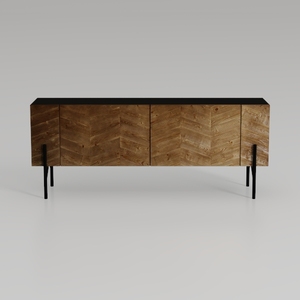
Modern Chevron Solid Wood Metal Sideboard 3D Model
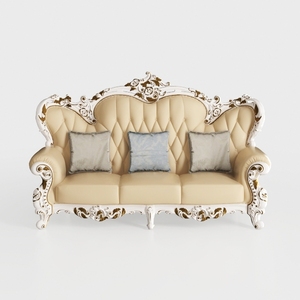
Baroque Luxury Leather Tufted Three Seat Sofa 3D Model
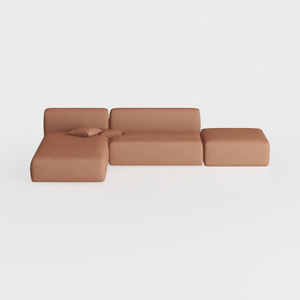
Minimalist Brown Fabric Modular Sectional Sofa 3D Model
Homestyler is a fantastic online home design platform that allows you to unleash your creativity with its easy-to-use design tool. Enjoy stunning 3D renderings, explore diverse design projects, and learn with engaging DIY video tutorials—all at your fingertips. Transform your space effortlessly!
Design jetzt kostenlos
































