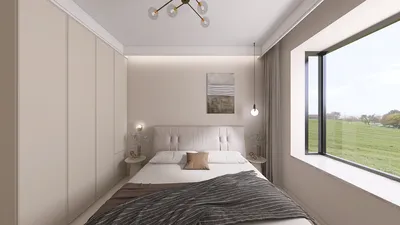


Living in a compact student hall does not have to feel restrictive. With over a decade of experience in designing small dorms and residence halls, I have found that the best designs stem from clear layouts, strategic layered lighting, and multifunctional materials. Today's students are spending more time indoors, and the WELL v2 framework emphasizes how critical lighting and acoustics are for health and cognitive function, with circadian-aligned lighting enhancing sleep and alertness. Additionally, Steelcase's research suggests that environments offering choice and control lead to increased engagement, a principle that applies to student halls where adaptable micro-zones for studying, resting, and socializing promote well-being.
It's essential to rely on specific guidelines for optimal design. The Illuminating Engineering Society advises that task surfaces such as desks should have light levels between 300 to 500 lux, while ambient lighting around 100 to 200 lux helps maintain a serene environment without glare. Ergonomically, desk heights should be around 28 to 30 inches and seat heights between 17 to 19 inches for comfort. For color choices, blues and greens are noted to foster calmness and concentration, thus should be thoughtfully incorporated within study areas, complemented by warm neutrals in relaxation spaces.
Establish a Foundation with an Organized Layout
In small rooms, visual clutter can be overwhelming. I typically begin by outlining a clear circulation path, usually running from the door to the window. By positioning bulk storage along one wall, the center of the room can remain open. Placing the bed against the longest wall with its headboard facing the door provides a logical orientation without obstructing window light. Situating the desk near the window optimizes natural daylight for reading and computer work, supported by a 4000K task lamp for evening tasks. If you're considering a new layout or rearranging furniture, utilizing a room planning tool like Homestyler can provide a valuable visualization of flow and space before making any changes.
Select Multifunctional Furniture That Achieves Dual Purposes
Avoid overly complicated “transformer” furniture. Instead, opt for pieces that serve multiple functions seamlessly, such as a platform bed with built-in drawers, a desk that features a shallow hutch for vertical storage, or a window bench with a lift-up lid for bedding. In shared rooms, a lofted bed over a desk can save around 30 to 35 square feet; just ensure there’s adequate headspace of about 36 inches underneath for comfort. Slim wardrobes that are 20 to 22 inches deep, along with hooks behind doors, can accommodate bags and coats, allowing for a clean floor space that psychologically enlarges the room.
Create Three Distinct Zones: Focus, Recover, Connect
In close quarters, behavioral cues can often replace physical barriers. I divide the space into three zones using variations in light, color, and texture instead of walls. The Focus zone features a desk by the window illuminated with a cool-white (3500–4000K) task light and a pinboard; incorporating color accents in shades of blue or green within a limited range of the visual field can aid concentration. The Restore zone encompasses the sleeping area with warmer lighting (2700–3000K) and soft materials to minimize sound. The Connect zone might include a lightweight chair or ottoman by the entrance for casual conversations, ensuring it's easy to tuck away when not in use.
Diverse Lighting: Bright for Work, Soft for Relaxation
Effective lighting can transform small areas. Aim for 300 to 500 lux at workspaces, 100 to 200 lux for ambient surroundings, and a softer 50 to 75 lux for night pathway illumination from bed to door. Implement fixtures designed for glare control; my preference is for matte-finished shades that achieve a 20 to 30-degree cutoff for comfortable brightness. In the evening, reduce overhead lighting intensity and rely on task lamps to cut down reflections. In low-ceilinged spaces, consider using wall-mounted sconces to bounce ambient light off the walls, thereby creating the illusion of more height.
Manage Noise with Soft, Washable Textiles
Noise can create a disordered feeling in small environments. Introduce at least three sound-absorbing elements, such as a low-pile washable rug, an upholstered headboard, and lined curtains. If permitted, a pinboard or cork wall near the desk can also act as acoustic dampening while providing a space to organize. Balancing hard surfaces like desktops and closet doors with softer textures can diminish echo and alleviate mental fatigue during long study sessions.
Utilizing Color Psychology in Compact Spaces
I favor subtle hues to maintain a tranquil visual flow: shades like stone, sand, or oatmeal work well as base tones, with controlled accent colors such as mid-tone teal or navy applied sparingly on walls or textiles. Insights into color psychology suggest that blues promote calmness and mental clarity, while greens imply balance, which is beneficial in study areas. High-chroma colors should be limited to removable items like decorations to adjust the energy of the room throughout the semester easily.
Storage Solutions That Enable Breathing Room
Small rooms necessitate storage solutions that do not overwhelm the space. Opt for open shelves placed above six feet to draw the eye upward, while utilizing enclosed storage at lower levels to conceal items. Maintaining a 2:1 ratio of closed to open storage helps achieve both neatness and personalization. Clear bins under the bed, labeled at the front, can assist in minimizing decision fatigue and supporting roommate boundaries.
Ergonomics for Prolonged Study Sessions
Comfort is essential for productivity. Select a chair that offers adjustable seat height (between 17 to 21 inches), lumbar support, and breathable fabrics. Ensure the desk depth is no less than 24 inches to accommodate keyboards and notebooks, or 30 inches for larger monitors. Position lighting opposite one's dominant hand to eliminate shadows on the workspace.
Functional Material Selections
Durable and easily maintainable finishes are crucial. Desks with high-pressure laminate surfaces, powder-coated steel frames, and solution-dyed upholstery are ideal for the dorm environment. Low-VOC paints contribute to better indoor air quality, and if incorporating rugs, choose washable materials supplemented by non-slip pads. Additionally, hardware with rounded edges can help prevent bumps in tighter spaces.
Maximize Vertical Space Effectively
Walls can provide valuable square footage. Installing pegboards (24 to 30 inches wide) above the desk creates space for supplies and accessories; narrow shelves over doors can store rarely used items. Over-door racks for towels or outer garments help keep the floor area open for a calmer visual experience and simplify cleaning.
Creating Personal Space Without Clutter
Individuality is significant in shared halls. Establish a small gallery rail for artwork and photographs instead of cluttering surfaces with tape. Limit the number of plants to two or three small, low-maintenance varieties, such as ZZ or pothos, chosen for their ability to thrive in low light. Employ a consistent accent color throughout bedding, storage, and art to promote a cohesive look.
Enhance Shared Hallways and Common Areas
Even in spaces that cannot be fully redesigned, slight adaptations can make a difference. Introduce cozy seating areas at corridor intersections, utilize pin-up boards for communal announcements, and ensure corridor lighting is set between 3000 to 3500K to evoke a warm welcome in the evenings. A corkboard display near elevators can serve as a shared memory board without hindering movement.
Two Layout Concepts to Try
Position the bed along the longest wall, place the desk perpendicular to the window to minimize glare, position the wardrobe across from the bed, and add a slim 24-inch bookcase next to the desk. A swing-arm sconce can help keep the desk surface clear.
Position beds on opposite walls; place desks near the window in an L-shape for sharing task light, along with a central shelf for shared items maintaining a clear main aisle of 30 to 36 inches for circulation and emergency access.
Referencing Evidence and Additional Readings
For researched strategies on lighting and health that align with building standards, I refer to the WELL v2 framework (light and mind components) and IES task lighting guidelines tailored for educational settings. Additionally, workplace productivity research from Steelcase concerning choice, control, and engagement provides actionable insights that can easily translate to student environments.
Common Questions
1) What light levels should I target for a study desk in a hall room?
Aim for 300 to 500 lux on the desktop for optimal reading and laptop use, coupled with ambient lighting around 100 to 200 lux. A 3500 to 4000K task lamp will enhance alertness during study sessions, while warmer dim lighting is suitable near the bed.
2) How do I minimize glare on my laptop screen in a small room?
Position the desk perpendicular to the window, consider matte screen filters if necessary, and reduce overhead light during the evening, relying instead on a task lamp with shielding for focused illumination.
3) What’s the recommended bed orientation for a compact room?
Place the bed along the longest wall, ensuring the headboard is positioned to see the door while not blocking window views; maintain at least 24 to 30 inches of clearance on one side to facilitate making the bed and daily activities.
4) Which chair and desk dimensions are best for long study periods?
A chair should have an adjustable seat height of 17 to 21 inches, with lumbar support, matched with a desk height approximately 28 to 30 inches is ideal for the majority of users. Keeping the desk depth at a minimum of 24 inches is also recommended.
5) What color schemes promote concentration without making the space feel cold?
Use desaturated blues and greens in limited doses within the study zone (10 to 20% of overall color scheme), complemented by warm neutral tones like oatmeal or sand to create an inviting atmosphere.
6) How can I include storage solutions without visually shrinking the room?
Consider under-bed storage, closed lower cabinets to conceal items, and open shelving above eye level to draw the eye upward while maintaining an effective balance of a 2:1 closed-to-open storage ratio.
7) Which acoustic improvements yield the most significant benefits?
Incorporate a washable rug, an upholstered headboard, and lined curtains. A pinboard or corkboard near the desk can help absorb sound while also serving as an organizational tool.
8) Is it possible for two people to share a small room without feeling crowded?
Absolutely—mirror the layout for efficiency, maintain a clear central aisle of 30 to 36 inches, and use color-coded bins to manage shared storage. One bed can be lofted if the setup allows for an underneath study area.
9) How do I effectively zone a compact space without walls?
Implement changes in lighting (cooler at desks, warmer at beds), utilize a small rug to define the sleeping area, and include a lightweight chair by the door for informal chats.
10) Are indoor plants beneficial in low-light conditions?
Select low-light, low-maintenance plants like sansevieria or pothos, limiting the total to two or three to prevent clutter while enhancing the room’s overall freshness.
11) What materials are most resilient in high-traffic student spaces?
Go for high-pressure laminate for desks, powder-coated steel for frames, solution-dyed fabrics for their stain resistance, along with low-VOC paints to enhance air quality indoors.
12) How can I bring a personal touch to the space while maintaining order?
Utilize a gallery rail or a single pin-up strip for artwork, keep a cohesive accent color throughout textiles and storage options, and consider rotating decor seasonally to prevent clutter.
13) What’s a simple way to improve lighting in a hall room?
Replace the current desk lamp with a dimmable LED option with a high CRI (90+) for improved color accuracy and eye comfort; positioning a night light can assist in safe movement during nighttime hours.
14) Do you have any suggestions for managing cables in confined spaces?
Install a small pegboard or under-desk tray for power strips and cords; utilizing braided cables and labeled Velcro ties can keep surfaces uncluttered.

Minimalist Solid Oak Square Coffee Table 3D Model

Minimalist Solid Wood Platform Bed With Slatted Headboard 3D Model

Minimalist Solid Wood Home Office Desk with Storage Hutch 3D Model
Discover the ease of home design with Homestyler! This user-friendly platform offers a fantastic online design tool, stunning 3D renderings, and a wealth of design projects. Plus, dive into inspiring DIY video tutorials that guide you every step of the way. Your dream space awaits!
Concevez maintenant gratuitement
































