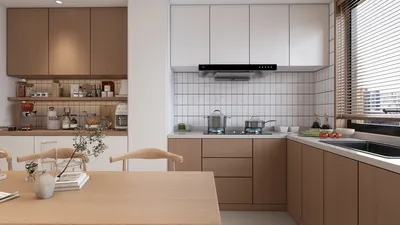


Matt tiles offer a sophisticated, low-luster appeal in living rooms, soothing brightness while enhancing the tactile quality of the space. For over ten years, I have favored matte finishes in high-traffic lounges and family areas due to their ability to temper reflections, conceal minor scratches, and provide a calm, architectural ambiance. In bright rooms, shiny surfaces may lead to visual strain; the Illuminating Engineering Society suggests that reducing reflections and glare can bolster visual performance, making matte finishes a preferred choice for enhancing comfort and detail perception under both natural and artificial lighting (IES standards). The impact of color is also significant: According to Verywell Mind, cool neutral shades like gray foster tranquility, while warm earthy hues create a welcoming atmosphere; matte tiles ensure these colors are displayed consistently, free from distracting glossy reflections.
Living spaces are intricate environments requiring task lighting for reading, ambient illumination for conversation, and natural light that flows across the floor. The WELL v2 standard advocates for consistent lighting and minimized glare to enhance comfort; using matte tiles assists in diffusing brightness across the entire surface, ensuring that light levels remain balanced between bright and shaded areas. Typically, I target ambient light levels of around 150–300 lux in living rooms and boost them to 300–500 lux in reading nooks, maintaining a warm color temperature between 2700–3000K and layering several accent lights. This approach allows matte porcelain or ceramic floors to avoid problematic light spots and create a soft, integrated glow, making evening relaxation much easier on the eyes.
Understanding the Unique Qualities of Matt Tiles
Matte tiles are processed in kilns or treated on their surfaces to diminish shine, which softens reflections and showcases the material's texture. This subtlety is particularly beneficial in living rooms, where screens, windows, and lamps can produce significant glare on polished flooring. The non-slip and tactile nature of matte tiles is an added advantage—especially important in homes with children or pets—while their maintenance remains practical since smudges and small scratches are less noticeable. From a sustainability perspective, various matte porcelain options include recycled components and robust glazes that enhance durability, ultimately extending the lifespan and reducing the need for replacements. Opt for rectified edges for tighter grout joints and a more refined visual flow, or choose cushion-edged tiles for a traditional, durable appearance.
Selecting the Proper Size and Configuration
The scale of tiles impacts your perception of space. Larger tiles (24×24 inches, 24×48 inches, or 900×900 mm and above) can visually enlarge a living room by minimizing grout lines, while smaller formats (12×24 inches, 12×12 inches) add a desirable rhythm and provide a more accommodating solution in older homes with uneven foundations. I usually orient large tiles perpendicular to the main light source to elongate the room's perspective. For those considering a furniture-first layout, utilizing a room planning tool like Homestyler can assist in experimenting with tile module sizes, rug arrangements, and traffic flow before finalizing cuts and transitions.
Exploring Color, Tone, and Atmosphere
The principles of color psychology are highly relevant in creating living spaces. Cool grays and stone-like neutrals convey a contemporary calm and harmonize well with metallic accents. In contrast, warm taupes, terracotta tones, and sandy shades foster a sense of comfort and grounding. Deep matte charcoal, while dramatic, benefits from abundant daylight and warm ambient lighting to avoid a heavy sensation. For multi-generational homes, I prefer a low-contrast palette—ensuring that tiles, walls, and upholstery are within two steps on the Munsell value scale—to minimize edge glare and promote visual comfort.
Nuance in Texture and Finish
It’s important to note that not all matte finishes are entirely flat. Satin-matte provides a gentle sheen that looks refined without becoming glossy, while structured-matte features slight variations to imitate carved stone or woven fabric. In living rooms, I often blend a smooth matte field tile with a subtly textured border or hearth area; the lighting can accentuate these textures to introduce a sense of dynamic depth. It's wise to keep textures confined to areas away from seating spaces where smoother finishes feel more comfortable underfoot. Additionally, to address acoustic concerns, pairing matte tiles with soft furnishings like wool rugs, upholstered chairs, and draperies can help absorb sound during conversations, thus creating a peaceful atmosphere.
Strategizing Grout and Visual Rhythm
Grout selection should be a deliberate design choice rather than an afterthought. Matching grout color to the tiles minimizes grid visibility, creating a seamless look, whereas intentional contrast can resonate with mid-century aesthetics. For rectified tiles, narrow joints (2–3 mm) achieve a sleek appearance, while wider joints can offer a more handcrafted feel. In open-plan living/dining areas, maintaining consistent grout color throughout promotes a cohesive flow, and introducing a subtle threshold detail—such as a shift in tile orientation—can signify changes in function without disrupting the flow of materials.
Illuminating Matte Floors
Matte floors respond exceptionally well to layered lighting designs. Begin with warm-dimmable LED downlights, incorporate wall washers to highlight artwork or bookshelves, and complement with floor and table lamps for inviting pools of illumination. The WELL v2 principle advocates for visual comfort and adjustable lighting; using dimmers and multiple light sources empowers occupants to adjust brightness levels based on different settings. Careful placement of light fixtures can be crucial to prevent direct reflecting light from hitting seating areas; with matte tiles, light diffusion occurs gently, yet careful aiming ensures a balanced and serene ambiance throughout the space.
Considerations for Durability, Slip Resistance, and Care
Porcelain matte tiles are highly rated for hardness and stain resistance, making them ideal for lively living spaces. Look for appropriate slip coefficients for residential uses; while matte finishes enhance traction, they should also facilitate easy cleaning. Routine maintenance typically involves vacuuming to remove any abrasive particles, using a damp mop with a pH-neutral cleaner, and quickly tending to spills. Avoid waxes that could introduce unwanted gloss, and always test any sealers on scrap pieces—often, dense porcelain tiles require no sealing, while matte natural stone may need breathable sealants to prevent discoloration.
Integrating with Other Materials and Furniture
Matte floors are enhanced through contrast with various materials: textured boucle sofas, walnut cabinetry, brushed brass fixtures, and linen drapes all beautifully complement a neutral tile base. If your tiles are in cool tones, introduce warmth with wood or leather accents; conversely, let cooler textiles balance warm tiles for visual tension. Aim for lighter furniture leg profiles—such as slender metal or tapered wood—to keep sightlines clear across the surface. Rugs should enhance rather than overwhelm the decor; covering about 60–70% of seating areas allows the tiles to remain the focal point while also optimizing acoustic conditions.
Advice for Open Layouts
In open living arrangements, consider utilizing furniture islands to establish clear pathways. Position the main seating area where traffic moves along the outskirts, ensuring tile designs align with these routes to prevent awkward cuts. If you're exploring sectional measurements or coffee table placements, a visual planning tool like Homestyler can help you visualize proportions and tile directions in relation to furniture before making any installations.
Budgeting and Value Considerations
The cost of matte porcelain varies widely, yet value can be assessed from a lifecycle perspective: durable tiles, rectified edges, and professional installations often result in long-term savings through reduced upkeep and fewer replacements. Focus on proper substrate preparation and hiring skilled installers—accurate cuts along perimeters and aligned grout lines elevate the aesthetic of any room, regardless of the tiles' price.
Avoiding Common Pitfalls
Neglecting to plan for lighting can lead to dull evenings; although matte tiles help, layered lighting is crucial. Overly contrasting grout can disrupt the flow in smaller spaces. Overlooking transition zones in open layouts invites awkward material changes. Lastly, pursuing very dark flooring without sufficient daylight can create a heavy ambiance; for those who appreciate depth, balance that with warm lighting and lighter rugs.
Frequently Asked Questions
Absolutely. The low-sheen finish camouflages minor scratches and provides greater traction compared to glossy surfaces. Pair them with washable rugs in active areas for softer landings and improved sound absorption.
Matte tiles do absorb more light than glossy ones, but with thoughtfully layered warm lighting (at about 2700–3000K) and well-balanced lux levels, the room remains inviting rather than dim. Utilizing large-format tiles along with lighter colors can counteract any initial impression of darkness.
Use larger tile sizes (e.g., 24×24 inches) with tight grout lines to create the illusion of more spacious floors. Experiment with orientation and furniture space using a design visualization tool to prevent narrow cuts.
Negligible. Matte finishes diffuse highlights, significantly reducing veiling reflections that might affect visual clarity—particularly relevant in light-filled spaces, as noted in IES glare guidelines.
Typically, selecting grout that is one tone lighter or equal to the tile keeps the appearance seamless. For added interest, select a darker grout while ensuring consistent joint widths to avoid visual clutter.
While no special cleaners are required, avoid oily solutions that may leave a sheen. Use pH-neutral products, clean regularly with a damp mop, and vacuum to minimize grit that may cause scratches. For natural stone, breathable sealers should be considered.
Yes, matte tiles can reflect sound, so it's beneficial to pair them with soft furnishings—such as rugs, upholstered pieces, and curtains—to manage sound reflections and enhance conversation clarity.
Certainly. Both porcelain and ceramic tiles conduct heat quite well. Be sure to verify the compatibility of the tiles and adhesives with radiant heating systems and incorporate movement joints as per installer recommendations.
Incorporate elements like walnut, cognac leather, aged brass, and cream textiles into your decor. Additionally, introducing a cooler counterpoint—such as charcoal metal or slate accents—will help maintain balance within the composition.
Achieve a smooth transition utilizing a minimal-profile strip or adjusting tile orientation at the threshold. Maintaining grout tone consistency with wood undertones will facilitate a cohesive aesthetic.

Black Stainless Steel Espresso Coffee Machine 3D Model

Natural Live Edge Solid Walnut Coffee Table Top 3D Model


Minimalist Fabric U Shaped Sectional Sofa with Side Tables 3D Model
Homestyler is your go-to online tool for home design enthusiasts! With its user-friendly interface, stunning 3D renderings, and a wealth of design projects and DIY video tutorials, you can easily create and visualize your dream space. Transform your ideas into reality today!
Design jetzt kostenlos
































