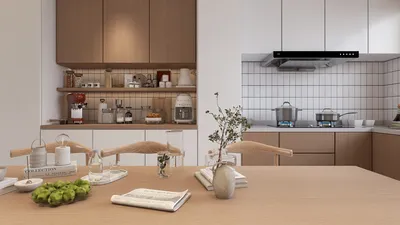


In my view, the design of false ceilings presents an excellent opportunity to enhance lighting, acoustics, and proportions, all while maintaining an aesthetic appeal. A thoughtfully designed ceiling can effectively minimize glare, manage sound echoes, conceal wiring, and instantly create an ambiance within a room. In larger spaces, varied ceiling heights can help delineate different areas, whereas in smaller settings, they can visually elevate the height with careful layering and proportioning.
The primary focus for me is lighting efficacy. The Illuminating Engineering Society (IES) suggests specific illuminance levels for various tasks; typically, living areas function optimally within the 100 to 300 lux range, while kitchens and dedicated workspaces often require 300 to 500 lux, all while managing glare. Furthermore, the WELL Building Standard emphasizes the importance of visual comfort and minimizing glare, underscoring the need for high-efficiency fixtures that should be paired with appropriate shielding, cut-offs, and contrast management. With these criteria, I incorporate multiple lighting layers—ambient, task, and accent—into the ceiling design to ensure the space feels inviting both day and night, leveraging tools like Homestyler for effective planning.
Color and atmosphere play a significant role in design. According to insights from Verywell Mind on color psychology, warmer shades create a cozy, intimate environment, while cooler hues promote a calm and expansive feel. For ceilings, soft off-whites with a hint of warmth enhance indirect light, whereas cooler whites can sharpen a contemporary aesthetic. Additionally, gloss levels impact perception—higher gloss results in increased light reflectance yet can cause glare, so I opt for matte or low-sheen finishes for general areas, reserving high-sheen only for accent features.
Design Objectives: Harmonizing Form, Light, and Acoustics
Every false ceiling should clarify the functional layout: designating areas for tasks, social interactions, and how sound will travel. I focus on three main objectives: 1) soften brightness contrasts across the viewing area, 2) decrease reverberation to comfortable levels, and 3) ensure visual balance so that the proportions of the room feel harmonious. To minimize echo in lively settings, I incorporate acoustic panels, perforated gypsum, or mineral fiber tiles with a noise reduction coefficient (NRC) of 0.70 or higher. In social spaces, a centrally located tray with indirect lighting serves as a focal point, discreetly concealing drivers and wiring; for workspaces, continuous recessed fixtures provide even illumination.
Layout Planning: Defining Zones, Heights, and Lines
Success in ceiling design relies heavily on layout. I begin by outlining zones and key points—sofa placement, dining area, bed alignment, kitchen island, and pathways for movement. Next, I establish height variations: a drop of 2 to 4 inches for subtle shadow details, or 6 to 8 inches for dramatic trays featuring cove lighting. For experimentation, utilizing a room layout tool like interior layout planners can help visualize massing, clearances, and lighting effects before any construction takes place.
Lighting Layers Within the Ceiling
Ambient lighting is essential for providing uniform light through recessed downlights or linear LEDs, with spacing that prevents scalloping. Task lighting should employ tighter beam angles over work areas; I generally recommend 3000 to 3500K in living spaces, and 3500 to 4000K for kitchens and studies, as this enhances clarity. Accent lighting can include cove lighting and wall washers that highlight textures or artworks. Managing UGR (Unified Glare Rating) is crucial, achieved by selecting fixtures with the right shielding and beam direction, while avoiding direct installations in reflective sightlines, such as above glossy tables or polished floors where glare could intensify.
Adjusting Color Temperature, Dimming, and Scene Control
Occupants' comfort improves when they can adjust lighting according to their activities. Warmer color temperatures of 2700 to 3000K can create a relaxed evening atmosphere, while neutral tones of 3500K can support daytime activities without feeling stark. I design scenes tailored for dining, reading, and cleaning, ensuring dimming curves minimize flicker and color shifts. While smart controls can enhance the experience, I keep interfaces simple with two to four clearly labeled scenes and provide manual overrides when necessary.
Proportion and Visual Rhythm
Elements within the ceiling—such as trays, coffers, and linear extensions—should reflect the room's geometry. In elongated spaces, arranging lines along the length enhances perception, while a centrally placed tray with cove lighting lends balance in square rooms. I maintain comfortable margins: 8 to 12 inches from walls for coves to prevent harsh lighting banding, and align fixtures with furniture lines to uphold order. A thoughtful repetition with slight variations (like alternating linear lengths) creates rhythm without cluttering the space.
Enhancing Acoustic Comfort in High-Traffic Areas
In spaces requiring a quieter atmosphere, such as media rooms, open-plan living, or children's playrooms, I integrate sound-absorbing panels or baffles directly behind the false ceiling to reduce reverberation. An NRC rating around 0.50 to 0.70 can significantly lessen fatigue during conversations. For ceiling-mounted speakers, I isolate them from adjacent panels using resilient clips to limit vibration transmission and ensure that wiring is routed through accessible channels for easy upgrades.
Materials: Gypsum, Wood, Metal, and Eco-Friendly Options
Gypsum board remains a staple—smooth, paintable, and budget-friendly. For a touch of warmth, I incorporate wood-veneer panels or slatted designs, achieving a balance of absorption and diffusion. Metal coffers work well in modern settings where precision and clean lines are paramount. It’s essential to evaluate VOC content in paints and sealants, opting for materials that emit low levels and come from verified sources. Eco-friendly choices not only enhance indoor air quality but also minimize odors under warm lighting conditions.
Detailing: Incorporating Services and Facilitating Maintenance
False ceilings provide a great way to conceal ductwork, sprinkler heads, sensors, and cable runs, yet access to these elements is crucial. I design subtle access points near junction boxes and equipment, ensuring removable sections are available where drivers and power supplies are located. Regarding HVAC, I steer clear of blowing air directly onto seating areas; diffusers must distribute airflow evenly without causing drafts, and lighting fixtures should be positioned away from high-heat lamp types to safeguard their finishes.
Maximizing Vertical Space in Small Rooms
In compact areas, I utilize perimeter coves to reflect light upwards, thus creating an effect of increased height. I keep the central plane minimal—avoiding heavy bulkheads—and select low-profile recessed linear lighting. Color choices are key: a cooler white on the ceiling, tempered to avoid excessive glare, along with light wall shades, can help extend the visual volume. Furthermore, positioning mirrors off-axis helps to prevent direct reflections from bright fixtures.
Feature Ceilings: Making a Statement Without Overwhelming
Feature ceilings can stand out without compromising comfort. Coffered grids with delicate shadow lines, sculpted gypsum waves, or timber slats with integrated light can become remarkable elements when sized appropriately relative to furniture and traffic flows. If a room features a focal point like a fireplace, headboard, or kitchen island, I ensure that the ceiling's emphasis aligns with these anchors to draw attention effectively.
Execution: Ensuring Quality and Precision
I prioritize tight tolerances on seams and joints: maintaining 1/8 inch gaps with shadow lines at panel joints, ensuring consistent cove widths, and leveling fixtures meticulously. Site inspections for ceiling heights and infrastructure preparations help avert last-minute adjustments. I confirm the positioning of fixture cutouts after mockups to prevent misalignment. Pristine edges and a consistent paint finish are essential for achieving a premium look.
Two key resources inform my ceiling designs: IES guidelines on illuminance and glare, along with WELL’s recommendations on visual comfort. These benchmarks provide a structured basis for design, allowing me to blend measurable comfort with creative flexibility. I always evaluate my designs against these principles before finalizing the specifications for fixtures and beam angles.
Frequently Asked Questions
Q1: What illumination levels should a false ceiling in a living room provide?
A: Aim for approximately 100 to 300 lux in general living spaces, following IES guidelines. Incorporate ambient and accent lighting, and ensure task lighting is available in areas designated for reading or hobbies.
Q2: What color temperature is best suited for bedrooms?
A: A warmer 2700 to 3000K is ideal for creating a restful ambiance and works well with dim-to-warm technology. Use soft accent lighting and avoid harsh downlights directly above the bed.
Q3: How can I manage glare from downlights effectively?
A: Employ fixtures with suitable shielding, select narrower beams for highlights, and avoid installing downlights over highly reflective surfaces. Indirect cove lighting can help soften brightness transitions.
Q4: Can false ceilings enhance acoustic performance?
A: Absolutely. Incorporating absorptive panels or mineral fiber tiles with an NRC rating of 0.50 to 0.70 can significantly reduce echo, particularly in open-plan or media spaces.
Q5: What materials are ideal for achieving a modern aesthetic?
A: Gypsum is excellent for sleek surfaces, while linear LED integrations provide clean lines. Metal finishes or slats add sharp detailing. Consistent reveals and minimal ornamentation are important to maintain a modern look.
Q6: How should I approach planning ceiling heights in smaller rooms?
A: Keep height drops to a minimum (2–4 inches), emphasize perimeter coves to create a lifting effect, and opt for low-profile linear lights to avoid overcrowding the visual space.
Q7: How should ceiling design interact with furniture layout?
A: Align trays and linear elements with furniture such as sofas, dining tables, and beds, creating focus lighting over important pieces. Tools for room layout can validate these alignments prior to construction.
Q8: Is smart lighting essential for my space?
A: While not necessary, scene-based dimming can enhance comfort. A simple setup with two to four clear lighting scenes—daytime, evening, dining, and work—sufficiently meets most needs without added complexity.
Q9: How do I maintain service access while keeping it discreet?
A: Utilize discrete access panels positioned along joints or shadow lines, and plan for removable sections near drivers and junctions. Coordination with HVAC and sprinkler arrangements should be done early in the design process.
Q10: What paint finish is optimal for ceilings?
A: A matte or low-sheen finish helps reduce glare and reflections. Reserve higher sheen finishes for accent areas where reflective highlights are desired.
Q11: When should I choose downlights over linear lighting?
A: Downlights excel at creating focused lighting; linear lights provide uniform illumination along specific axes. A combination of both is often beneficial—linear fixtures for ambient lighting and downlights for targeted accents.
Q12: How can false ceilings assist in defining zones within an open-plan layout?
A: Definitely. Varying ceiling heights, trays, and cove lines can effectively highlight separate dining, lounging, and workspace areas, providing structure without the need for walls.
Modern Glass Top Metal Frame Office Desk 3D Model

Minimalist White Electric Standing Desk 3D Model

Kids Table and 4 Chairs Set,Height Adjustable
Homestyler is your go-to online home design platform! With its user-friendly design tool, impressive 3D renderings, and a wealth of DIY video tutorials, you can easily create stunning spaces and bring your home vision to life effortlessly. Start designing today!
Zaprojektuj teraz za darmo
































