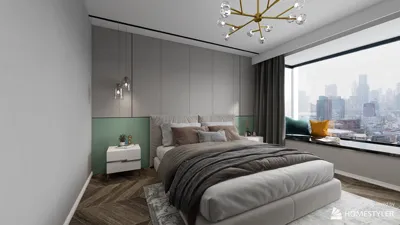


A client of mine once insisted on fitting a dining table for twelve into an 11 x 13 room — it was amusing, but it taught me about the immense potential for creative solutions. Small spaces truly highlight every choice made, and this challenge often leads to some of my most innovative designs. To visualize how to arrange your furniture before making any purchases, consider using tools like Homestyler, which can save you from future regrets on oversized items.
Selecting the ideal table and adaptable seating
I always prioritize scale in my designs: an 11 x 13 room typically accommodates a rectangular table that is 36–40" in width and 72" in length, or a round table that can be up to 48" if a more relaxed ambiance is preferred. Options like bench seating, extendable tables, or stackable chairs provide flexibility for gatherings while still being practical for everyday use. Although benches can appear casual, when paired with decorative cushions and an elegant runner, they can create a stylish and deliberate aesthetic.
save pin
Layered lighting to create distinct zones
Lighting acts as my secret tool for making compact dining areas feel more intentional. A central pendant light over the table alongside wall sconces or picture lights adds depth and allows for mood adjustments without overwhelming the height of the ceiling. Many overlook proper lighting in smaller spaces; thus, investing in dimmers and combining ambient with task lighting can elevate your interior design effortlessly.
save pin
Integrated storage and banquette seating solutions
Creating a shallow banquette along one wall with built-in storage beneath is a winning strategy for both seating and decluttering. These built-in features can discreetly store linens, dishes, or toys while establishing a cozy dining nook that feels custom-made. To aid initial planning, I often utilize Homestyler to sketch or develop a free floor plan to assess necessary clearances, balancing storage depth with necessary circulation space.
save pin
Mirrors, painting strategies, and vertical enhancements
Strategically using mirrors can enhance light and create an illusion of space in an 11 x 13 room, especially if they reflect windows or other light sources. Employing vertical elements, like tall furniture or open shelving, draws the eye upward and mitigates a boxy appearance. However, it’s worth noting that maintaining clean mirrors and avoiding overly busy vertical designs is crucial for a polished look, which is why I prefer restrained color palettes and purposeful surface designs.
save pin
Consider flow and proximity — beyond just the dining table
The relationship between your dining room and adjacent kitchen or living area significantly impacts functionality more than the footprint alone. If your kitchen is near the dining area, consider pathways for serving and clearing; small adjustments, such as resizing a doorway frame or selecting a narrow console, can alleviate congestion. I frequently adapt ideas from efficient kitchen layouts to ensure seamless collaboration between cooking and dining spaces. Keep in mind, you may have to sacrifice a full wall for a broader opening, affecting your wall art options, but the resulting improvement in functionality is usually beneficial.
save pin
Frequently Asked Questions
1. Is an 11 x 13 dining room adequate for a family of four? Absolutely — a space like this can comfortably accommodate a rectangular table that’s 36–40" wide or a round table between 42–48", ensuring sufficient seating and movement for daily activities.
2. What clearance is required around the table? Aim for a minimum of 36" from the table edge to walls or other furniture for smooth passage; 42" is preferable for often-used chairs. These measurements allow for easy movement without discomfort.
3. Which shape is best for an 11 x 13 table, round or rectangular? Both forms are effective. Rectangular tables optimize seating along the longer sides, while round tables enhance flow in tighter spaces. The choice should be based on your room’s layout and circulation preferences.
4. Does built-in seating contribute value? Definitely — banquettes provide both storage and an upscale feel. They can minimize the need for additional freestanding chairs and help to create the illusion of a larger room when executed thoughtfully.
5. What paint colors are most suitable for small dining rooms? Light neutrals and warm whites can expand the perception of space, while a single dark accent wall introduces drama without constraining the area. The type of finish is also important: low-sheen paint conceals imperfections, whereas high-sheen reflects light but may highlight flaws.
6. How can I balance aesthetics with practical storage? It’s beneficial to combine open spaces for showcasing special items with concealed cabinetry for everyday use. A slim buffet or a banquette with drawers can provide both visual appeal and functional storage without overwhelming your space.
7. What guidelines are there for rug sizing under a dining table? Select a rug that extends at least 24" beyond the edges of the table to keep chairs on the rug when pulled out; this creates a cohesive look and protects your flooring.
8. What clearance recommendations should I consider for dining and kitchen interactions? Follow standard guidelines: typically, a minimum of 36" is suggested for aisles and work areas, while the National Kitchen & Bath Association (NKBA) advocates similar spacing for optimal flow and usability (visit https://www.nkba.org for comprehensive details).
save pin
Discover the joy of home design with Homestyler! This user-friendly platform offers an intuitive online design tool, stunning 3D renderings, and a wealth of inspiring design projects. Plus, you can learn through engaging DIY video tutorials. Transform your vision into reality effortlessly!
지금 무료로 디자인하세요
































