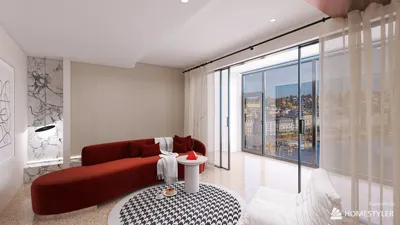


One client once strongly believed that their 16 x 16 dining room should accommodate an 8-seat dining table, a piano, and a corner for plants—simultaneously. I nearly sketched the dining table on the ceiling until we re-evaluated circulation and proportions; the outcome was surprisingly playful and very livable. To visualize arrangements prior to making firm decisions, take a look at my 16 x 16 layout example to understand how furniture, pathways, and lighting can harmoniously coexist. Additionally, using tools like Homestyler can assist in visualizing these layouts effectively.
Compact spaces compel thoughtful decisions: every inch is precious, and each selection makes a difference. Here, I present five actionable design ideas I’ve implemented in actual projects to enhance a 16 x 16 dining room, making it feel larger, cozier, and more functional.
1. Incorporating built-in bench seating to optimize flow
I’m a huge fan of bench seating because it snugly fits against the wall and opens up aisle space—ideal for a 16 x 16 room. In one project, I replaced two bulky chairs with a cushioned built-in bench, and suddenly, the room felt more spacious; guests could easily pass by without interrupting conversations. The benefits include storage beneath the bench and clearer sightlines; however, benches might come across as less formal, so don't forget to add cushions and a loose chair at the head to strike a balance between comfort and style. Homestyler can help visualize this concept effectively.
save pin
2. Use a round table with a mirrored wall for visual expansion
In cramped spaces, a round table enhances traffic flow and avoids sharp corners that could obstruct circulation. When paired with a slim mirror or mirrored panels, you effectively amplify light and the perceived depth of the room. I implemented this strategy in a rental where moving walls wasn’t an option—resulting in a room that felt approximately 20% airier. Just remember that mirrors can reflect clutter, so it’s vital to keep adjacent storage organized.
save pin
3. Layered lighting and a rug to define functional zones
Lighting can transform a space. A pendant light centered over the table, complemented by wall sconces and a dimmer, sets the mood for dining on any occasion. Incorporate a rug sized to allow chairs to remain on it when pulled out—anchoring the area within the 16 x 16 confines. A word of caution: rugs that are too small can segment the space awkwardly, so be sure to select one that is at least 8-12 inches larger than the table on all sides.
save pin
4. Opt for a slim buffet and vertical storage for essential items
Replace a bulky sideboard with a slim buffet or a tall, narrow cabinet to efficiently store dinnerware and linens while maintaining valuable floor space. I prefer a mix of open shelving and concealed drawers to create a feeling of airiness yet keep things organized. A note on budgeting: custom vertical storage is pricier per linear foot, but it is a wise investment in a compact area as it helps preserve walking space.
save pin
5. Flexible seating and an extendable table for adaptability
Design a layout that offers versatility: pairing an extendable table with stackable or folding chairs provides intimacy for everyday meals and accommodates larger gatherings during holidays. When planning proximity to the kitchen, consider workflow—short serving paths and a designated area for dishes are more important than harmonizing chairs. If you're interested in experimenting with how a dining nook can smoothly transition to the kitchen, tools like Homestyler can showcase effective layouts, helping you visualize your buffet and serving routes in a single afternoon.
Quick practical suggestion: before making purchases, sketch a to-scale plan or utilize a template—I've saved clients substantial sums by identifying traffic pinch points on paper first. For those who prefer starting with a template, a free floor plan creator can streamline the process while maintaining accurate dimensions.
save pin
FAQ
1. What table size is optimal for a 16 x 16 dining room?
I usually recommend a table that allows for at least 36 inches (90–92 cm) of clearance around all sides for comfortable movement. For a 16 x 16 area, a table measuring 60–72 inches (152–183 cm) round or a 72-inch rectangular table generally fits well.
2. Can a dining area and a living room coexist in a 16 x 16 space?
Absolutely—by using zoning techniques such as rugs, appropriate lighting, and careful furniture placement, you can create distinct areas for dining and lounging. Keeping the scale modest and ensuring clear pathways between zones is crucial to avoid a cramped atmosphere.
3. How can I determine the correct rug size?
Choose a rug that accommodates chairs remaining on it when pulled out—this typically means it should be 8-12 inches larger than the table edges on all sides. In a 16 x 16 room, this often translates to an 8x10 or 9x12 rug for a standard dining set.
4. Is it acceptable to use wallpaper in a small dining room?
Definitely—employ a subtle pattern or vertical stripe to infuse personality while avoiding an overwhelming effect. Select one wall for the pattern while keeping the others neutral for a balanced look.
5. How much space should I leave between the table and a buffet?
Allow at least 36 inches for passage, and 42–48 inches if you need access to drawers and want to serve comfortably. In tight quarters, consider a narrower buffet or opt for open shelving.
6. What essential lighting layers should I incorporate?
A central pendant, ambient lights (such as wall sconces or ceiling fixtures), and task lighting for side storage contribute to a flexible, inviting atmosphere. Implementing dimmers allows you to modify the ambiance for casual meals compared to more formal gatherings.
7. Is mixing chair styles around the table a good idea?
Combining a bench with various chair styles can be an effective strategy for smaller rooms—it introduces visual interest and can conserve space. Maintaining a consistent scale or color helps to achieve a cohesive look.
8. Where can I find guidelines on clearances and best practices?
For industry standards, check the National Kitchen & Bath Association (NKBA) guidelines; they offer comprehensive recommendations for circulation and appliance/workspace clearances. These benchmarks have aided me in justifying layout decisions to both clients and contractors.
save pin
Transform your home with Homestyler! This user-friendly online design platform offers an intuitive design tool, stunning 3D renderings, and a wealth of DIY video tutorials. Whether you're a beginner or a seasoned designer, Homestyler makes it easy to create and visualize your dream space.
تصميم الآن مجانا
































