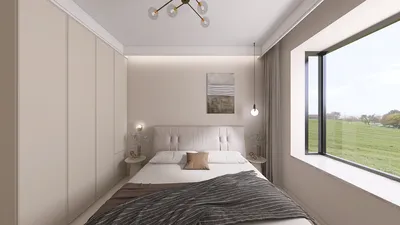


A 9x10 bedroom can surprisingly feel spacious when the layout, lighting, and flow are thoughtfully organized. I liken small rooms to a finely tailored outfit: they require clean lines, purposeful layers, and just enough structure to allow for free movement. In these compact spaces, perception is paramount—strategic lighting, cohesive colors, and ergonomic pathways can significantly enhance the room's ambiance and functionality, similar to what is achievable with Homestyler interior design tools.
In limited spaces, precise measurements are crucial. WELL v2 recommends layered lighting and effective glare management for visual ease. The Illuminating Engineering Society suggests that residential bedrooms aim for task lighting levels between 200–300 lux using warm-white bulbs (2700–3000K) to foster relaxation. Research by Steelcase highlights that decluttering visually aids concentration and tranquility—principles that translate beautifully into restful sleep areas. These foundational elements inform the design choices discussed below, ensuring the room remains serene rather than overly complicated. For experimenting with furniture layouts and rapid adjustments, an interior layout tool can effectively simulate furniture arrangements and circulation paths.
Select the Ideal Bed Size and Placement
In a 9x10 space, both a full or queen-sized bed can fit, but the orientation is vital. I prefer centering the headboard against the shorter wall when feasible to ensure a clear side clearance of 30–36 inches. If door swings or window placements disrupt symmetry, position the bed slightly off-center while aligning it with the room's visual axis; a bit of asymmetry is acceptable as long as circulation remains unobstructed. A simple upholstered headboard not only enhances the room acoustically but also gives the illusion of a larger wall. Opt for shallow under-bed drawers instead of deep bins to prevent tripping and to aid airflow.
Emphasize a Calm Color Palette with Dimension
Color psychology suggests that soft blues and muted greens can significantly lower heart rates and encourage relaxation. I recommend painting three walls in a light neutral shade (off-white, warm gray) with a slightly toned-down color on the headboard wall to add depth without shrinking the space. Aim for a subtle contrast in light reflectance values (higher on the field walls, medium on the accent wall) and ensure the trim is sharp to visually enhance the edges. Textiles contribute to the color scheme; using matte linens, tactile boucle throws, and low-sheen draperies can introduce texture without causing glare.
Maximize Lighting Layers: Ambient, Task, and Accent
Small rooms thrive on balanced lighting. An overhead fixture or a slim LED flush mount serves as ambient lighting; I aim for 200–300 lux in task areas while using warm-white 2700–3000K bulbs for evening relaxation. Incorporate glare-free sconces by the bed with cut-off shades positioned 28–36 inches above the mattress for reading. A dimmable strip light behind the headboard or under a wall shelf delivers subtle accent lighting that visually expands the wall's depth. To avoid disjointed color casts that can constrict space, maintain a consistent color temperature across all lighting options, following best practices from resources like IES lighting standards and WELL v2 for visual comfort.
Optimize Storage: Built-Ins, Vertical Space, and Concealed Areas
Storage solutions are key to making a small bedroom feel peaceful rather than cluttered. I advocate for a single, well-designed wardrobe instead of several smaller pieces. Shallow built-ins against the bed wall—12–16 inches deep—help maintain an open feel. Any cabinetry above the headboard should be minimal and recessed to avoid visual heaviness. Consider integrating slim drawers into a window bench and using a lift-top bedside table to maximize storage. Curate open shelves with fewer but larger items, and before finalizing designs, use an interior layout planner for multiple configurations.
Furniture Size and Clear Pathways
Choosing appropriately-sized furniture is essential for aesthetics and comfort. IFMA guidelines recommend preserving 30–36 inches for main pathways; however, I find that 24 inches is satisfactory for secondary access when the bed is prioritized. Nightstands should be 18–22 inches wide with a single drawer to minimize bulk; a wall-mounted shelf can replace one entirely, enhancing the open floor. If including a desk, opt for a 20–24 inch depth and pair with a compact, supportive chair rather than a full desk chair. Ensure handles are flush to avoid hindering movement along circulation routes.
Textiles, Acoustics, and Quality of Sleep
Achieving acoustic comfort makes smaller bedrooms feel more inviting. Use a dense area rug under the bed that extends at least 24 inches beyond for sound absorption and warmth. Layer your curtains with a sheer for filtering daylight and a heavier blackout curtain for sound sleep. Upholstered items, such as a headboard or cushion, absorb sound waves, reducing echoes from hard surfaces. Aim for breathable, low-VOC materials and steer clear of high-gloss finishes that bounce light and create visual distraction.
Window Treatment and Glare Management
Natural light is ideal, yet uncontrolled brightness is not. Implement double-layer window coverings to effectively manage light levels; stacking curtains to the side can maximize light penetration. Place reflective elements—like mirrors or metallic accents—opposite windows to enhance light distribution while ensuring they are showcased singularly to avoid overcrowding visual space. A discreet mirror positioned behind a nightstand can cleverly create a sense of wider dimensions without turning the room into a mirror maze.
Utilize the Ceiling to Your Advantage
Ceiling treatments can visually elevate a space. For rooms with standard 8-foot heights, opt for a ceiling color that is slightly lighter than the wall color and minimize the use of crown molding to reduce visual interruptions. In the presence of coffers or beams, painting them the same color as the ceiling can simplify the overall look and maintain continuity. A low-profile fan with a quiet operation provides an excellent upgrade; ensure its blades and finish blend seamlessly with the ceiling.
Create Visual Harmony: Art, Patterns, and Symmetry
Compact spaces gain from fewer, yet significant decor elements. A large artwork piece over the bed can anchor the room, while a sequence of vertical designs—like curtains, tall lamps, or wardrobe doors—draws the eye upward. Introducing patterns should be done sparingly: consider a single striped throw, a subtly patterned area rug, or bed linens with soft textures. Maintain a serene perimeter while focusing expressive pieces around the bed to safeguard the room’s visual tranquility.
Adaptable Additions: Benches, Shelves, and Niche Features
If space permits, a slender end-of-bed bench can serve a dual purpose as a storage spot for clothes or a reading nook. Floating shelves can transform into gallery spaces while keeping ample floor area clear. If a niche is available, repurpose it into a tiny desk or vanity with built-in lighting and organized cable management. Keep accessories purposeful—use a single tray for daily essentials and design concealed charging solutions along with a touch of greenery to soften edges without overcrowding.
• Centered bed + narrow twin nightstands + a single wardrobe opposite: clean symmetry and easy traffic flow.
• Off-center bed to mitigate window/door conflict + one nightstand + floating shelf on the other side: maximizes space for movement.
• Bed against the longer wall + wardrobe on the short wall + window bench for storage: emphasizes a strong axis and practical seating.
• Bed with built-in headboard storage + wall sconces + compact desk nook: multifunctionality without clutter.
Frequently Asked Questions
Q1: Is a queen bed suitable for a 9x10 room?
A1: Yes, as long as side clearances are maintained at 24–30 inches at a minimum, and the wardrobe depth remains shallow. A single nightstand with a wall shelf on the tighter side can optimize space.
Q2: What lighting temperature is optimal for sleep?
A2: Warm-white lighting at 2700–3000K is recommended for evening relaxation. Layer ambient, bedside task, and subtle accent lighting while ensuring the color temperature is consistent.
Q3: How can I enhance storage without overcrowding the space?
A3: A single, well-sized wardrobe along with slim under-bed drawers and vertical built-ins measuring 12–16 inches deep can assist in achieving this. Limit open shelves and prioritize concealed compartments.
Q4: What colors can make a small bedroom appear larger?
A4: Light neutral colors on the field walls paired with a muted accent on the headboard wall can enhance the perception of depth. Keeping trim defined and finishes matte helps reduce glare.
Q5: What are the essential circulation clearances?
A5: Ideally, 30–36 inches should be allocated for primary pathways. In smaller rooms, 24 inches is acceptable for secondary pathways if furniture edges are flush and handles do not protrude.
Q6: Do mirrors truly make a difference?
A6: A single sizable mirror situated opposite a light source can visually expand and brighten the room while avoiding a collection of smaller mirrors, which can create visual noise.
Q7: Is it feasible to include a desk in a 9x10 bedroom?
A7: Yes—consider a desk with a depth of 20–24 inches tucked into a niche or along a wall. Pair this with a compact, supportive chair and ensure integrated cable management to maintain clarity on surfaces.
Q8: How can I achieve acoustic comfort?
A8: A dense rug under the bed, an upholstered headboard, and layered drapery contribute to reducing noise from footfalls and hard surfaces, creating a more tranquil atmosphere.
Q9: What is the best type of window treatment?
A9: Double-layer treatments, which combine sheer and blackout options, effectively control daylight and nighttime privacy. Stacking the sides helps maximize natural light entry.
Q10: How can I minimize clutter on nightstands?
A10: Consider a nightstand with a single drawer and a wall-mounted shelf on the opposite side. Incorporate a tray for daily items and hide charging solutions within a concealed compartment.
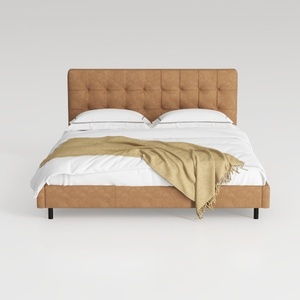

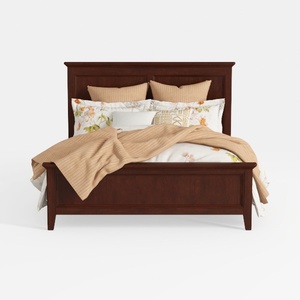
Traditional Walnut Solid Wood Upholstered Bed with Bedding Set 3D Model

Minimalist Solid Oak Platform Bed Frame 3D Model
Looking to transform your space? Homestyler is the ideal online home design platform for you! With its user-friendly design tool, stunning 3D renderings, engaging design projects, and helpful video tutorials, bringing your dream home to life has never been easier. Dive into creativity today!
Design Now for FREE
































