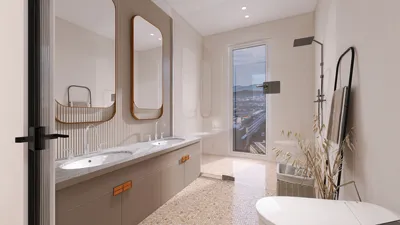


When I create racks, I apply the same meticulous approach I use for floor plans, emphasizing functionality first before aesthetics. A thoughtfully designed rack system can transform unused corners into effective storage solutions, keeps essential items within easy reach, and maintains a tidy appearance in a room. For residential spaces, I aim to allocate 10–15% of the room's footprint to versatile storage that evolves with changing life circumstances. In professional environments, strategic rack arrangement can significantly decrease the time spent searching for items and reduce the distance employees need to walk. A Steelcase study revealed that optimizing spatial organization could enhance productivity for knowledge workers considerably when retrieval friction is minimized. Coupled with a well-structured lighting plan, where WELL v2 suggests task illumination should be around 300–500 lux for everyday activities, you can achieve storage that is not only practical but also aesthetically pleasing, seamlessly integrating with tools like Homestyler.
The performance of a storage solution is based on solid evidence. The WELL Building Standard (WELL v2) underscores the importance of visual ergonomics and glare management as essential for comfort. Research from Herman Miller indicates the most efficient reach for a neutral posture lies within approximately 20–70 cm from seated elbow height, ensuring frequent access to items. In practice, I position everyday essentials within the shoulder-to-hip range, reserving overhead compartments for rarely accessed items. For color choices, insights from Verywell Mind suggest that cooler shades can invoke feelings of order and concentration; therefore, I prefer calming muted blues or cool grays on backs of open racks to reduce visual clutter. If you're experimenting with various rack configurations or flow patterns, utilizing a layout simulation tool like Homestyler can significantly aid in visualizing clearances, sightlines, and traffic patterns before finalizing your design.
Design Your Rack Based on Behavior, Not Just Measurements
I begin with understanding usage patterns: how often you access items, the frequency, and preferred postures. Zones for frequently used items should be positioned at chest height for standing tasks and at elbow-to-shoulder level for seated activities. Place one-handed items like files, spices, and tech gadgets within a 20–30 cm depth zone to ensure they are both visible and easily reachable without stretching. Reserve the upper tiers for seasonal or archival items, ideally using labeled bins to simplify organization.
Optimize Grid Dimensions: Heights, Depths, and Spacing
In living spaces, a shelf depth of 28–35 cm allows books and decor to stay organized without casting shadows throughout the room. Kitchens benefit from depths of 30–40 cm for appliance storage; ensure there is a minimum of 45 cm clearance above the cooktop for heat safety. In closets, a double-hang setup with rods at approximately 102 cm and 168 cm accommodates shirts and shorter garments, while a dedicated long-hang space (180–200 cm clear) serves coats and dresses. Don’t forget to maintain 5–7 cm of space above bins to prevent accidental bumps.
Illuminate Your Rack for Clear Visibility
Glare can significantly affect usability. I typically set general illumination levels between 300–500 lux, following WELL v2 guidelines, adding localized LED strips with temperatures of 2700–3500K for cozy living areas and 3500–4000K for work environments. Employ diffusers or indirect mount options to avoid glare from shiny surfaces. Adhering to IES recommendations for uniform lighting, you should aim for soft, even light distribution so that labels are readable from a normal standing position. Motion sensors can enhance usability in closets and pantries, but be sure to adjust delay settings to prevent irritating on-off cycles.
The Psychology of Color and Visual Order
Open racks can appear chaotic if color schemes clash. I treat the back panel as a visual anchor; shades like cool gray or soft blue encourage a sense of order, reflecting color psychology principles outlined by Verywell Mind. Warm elements like terracotta or pale oak can soften a utilitarian look, and a simple two-tone color scheme can help avoid the "patchwork" effect. Transparent bins can work well for uniform contents; otherwise, frosted or opaque options may help lessen cognitive stress.
Ergonomics: The Reach Envelope That Preserves Comfort
Regularly accessed items should remain within the neutral reach zone to minimize overhead lifting. Position heavier products between 60–110 cm from the ground to alleviate strain. Employ pull-out trays for mid-depth storage to avoid wrist strain and awkward movements. Labels should be placed on leading edges of shelves rather than the underside for better visibility without requiring neck extension.
Acoustic and Material Selections
Metal racks can amplify sound in hard-surfaced areas. If noise levels are a concern for spaces like home offices or studios, consider perforated steel with felt liners or wood racks with cork inserts. Soft-close mechanisms can also minimize distracting sounds. For environmentally friendly choices, seek out FSC-certified wood or powder-coated steel with low-VOC finishes; laminated materials with high recycled content offer durability and cost balance.
Proportion and Flow: Create Designed Storage Spaces
Ensuring visual balance prevents racks from overwhelming the space. I implement a 60/30/10 rule, allocating 60% for functional bays, 30% for display, and 10% reserved for flexibility. Align shelf reveals and maintain consistent vertical spacing, such as repeating 28 cm modules, to cultivate a rhythm. For racks that span a wall, consider breaking the mass with pilasters or open niches to soften the presentation.
Maximize Small Spaces: Vertical Solutions and Corner Usage
Opt for tall but lightweight configurations—using slim frames, adjustable shelves, and shallow modules to maintain clear pathways. Corner racks should incorporate diagonal or pie-cut shelves to avoid items disappearing in shadowy angles. For tight spaces, using an interior layout planner like Homestyler can assist in testing door swings, clearance, and the impact of vertical units on sightlines.
Entrance Halls, Living Areas, Bedrooms: Tailored Strategies
For entryways: integrate a 30–35 cm deep rack with top trays for keys and mid-level hooks for bags; include drip trays at the bottom for floor protection. For living rooms: design to accommodate cable management for devices; keep decor at eye-level and group items in odd numbers. In bedrooms: focus on quiet mechanisms and textile-lined bins. Ensure bedside racks stay under 30 cm depth to avoid knee bumps.
Kitchens and Pantries: Emphasizing Speed and Cleanliness
Plan around the "work triangle": preparation, cooking, and cleaning. Store knives at shoulder height in secure racks; position oils and spices near cooking areas while keeping them away from direct heat. In pantries, standardize container heights and label the fronts; allocate a shelf at eye level for expiring goods to prompt action.
Home Office and Studios: Prioritize Workflow
Coordinate process steps with designated rack zones: incoming, active, and archive. Maintain accessible yet visually tidy arrangements for cables and peripherals; perforated backing can improve airflow. Incorporate pull-out trays for media, such as cameras or drives. For frequently referenced items, a waist-to-shoulder level with angled shelving mitigates glare and reduces neck strain.
Children’s Rooms: Focus on Safety and Independence
Secure every tall unit to wall studs. Position everyday items at 50–80 cm height for child-friendly access; utilize rounded corners and soft storage options. Introduce color-coding to aid in categorizing items, thus simplifying clean-up tasks.
Closets: Adaptability That Grows with Change
Develop closets using adjustable uprights and shelf pin systems. Seasonal modifications can be achieved in moments if modules share hole spacing. Include a breathable area with ventilated shelves to prevent mustiness.
Installation, Securing, and Maintenance Guidelines
Employ stud finders, through-bolts, and anti-tip straps for any tall storage units. When feasible, keep a 2–3 cm gap from walls for air circulation. Dust accumulation can inhibit light reflection; aim for quarterly cleaning sessions. Replace worn edge banding and tighten hardware yearly.
Tips 1: Pre-Purchase Checklist
- Measure necessary clearances: maintain 75–90 cm for major pathways and 60 cm for secondary routes.
- Verify load limits: calculate shelf capacities and allow for a 20% safety margin.
- Plan your lighting: use task lights for active areas, indirect options for display purposes.
- Outline categories: designate zones before buying to prevent overcrowding.
Tips 2: Quick Layout Adjustments
- Use painter’s tape to prototype your footprint.
- Utilize design visualization tools to experiment with reach zones and sightlines.
- Document tests through photography and annotate any awkward configurations—then adjust heights and depths accordingly.
Frequently Asked Questions
Q1: What are the best rack heights for daily access?
A1: Position shelves for frequent use between 90–140 cm from the floor; heavier items should ideally be placed around 60–110 cm high to reduce strain, consistent with ergonomic reach principles substantiated by Herman Miller's research.
Q2: How much illumination is ideal for my storage wall?
A2: Aim for lighting levels of 300–500 lux for general tasks with good uniformity, adding localized fittings for deeper shelves. The WELL v2 standard promotes glare control, so focus on diffused sources rather than exposed LEDs.
Q3: What shelf depths are best for compact spaces?
A3: Rely on 24–30 cm for books and accessories, and opt for 28–35 cm for various decor items. Shallower options help maintain circulation and lessen visual clutter.
Q4: How can I mitigate noise from metal racks?
A4: Opt for perforated designs, felt liners, and soft-close mechanisms. In acoustically sensitive settings, consider wood or composite racks with cork for improved sound absorption.
Q5: Which colors help avoid a chaotic look in open storage?
A5: Utilize cool neutrals (like light gray or soft blue) on back panels to minimize visual chaos; warm accents achieve harmony. These principles align with color psychology insights regarding order and focus.
Q6: What’s the safest anchoring method for tall racks?
A6: Secure them to wall studs using proper anchors, incorporate anti-tip straps, and avoid excessive weight on the upper tiers. Confirm stability and adhere to manufacturer's load specifications, maintaining a safety margin.
Q7: How can I ensure my racks support workflow in a home office?
A7: Define your zones (incoming, active, archive), place frequently referenced items within the neutral reach zone, and consider angled shelves to limit glare and prevent neck fatigue.
Q8: Are adjustable racks a worthwhile investment?
A8: Absolutely—modular uprights and shelf pin systems allow for seasonal reconfigurations without needing new furniture, thus extending their usefulness and adaptability.
Q9: What clearance should I maintain in front of racks?
A9: Strive for 75–90 cm in primary pathways and at least 60 cm in secondary paths to facilitate the smooth opening of drawers and doors.
Q10: How can I visualize various rack layouts prior to purchase?
A10: Use a design tool to visualize layouts; digital programs allow for simulation of reach zones, lighting options, and flow, helping you avoid costly miscalculations.


Buffet Cabinet 55" Large Storage Coffee Bar with
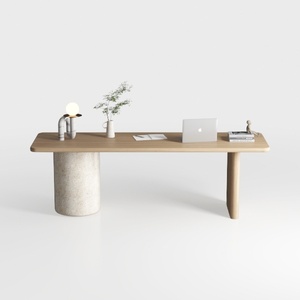
Minimalist Japandi Solid Wood Concrete Office Desk 3D Model
Looking to transform your home? Homestyler is your go-to online design platform! With its user-friendly design tool, impressive 3D rendering features, and a wealth of inspiring design projects paired with helpful video tutorials, you can effortlessly create and visualize your dream spaces. Start designing today!
Design Now for FREE
































