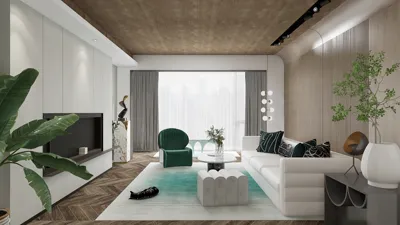


With the rise of game pass games, many gaming enthusiasts are transforming their living spaces into immersive entertainment hubs. Integrating comfortable seating and strategically placed lighting enhances the gaming experience, while modular furniture allows for adaptable layouts that accommodate both playtime and downtime. Creating a dedicated gaming zone within the home not only maximizes enjoyment but also contributes to a balanced lifestyle.
I once had a client who wanted their daybed to serve multiple purposes, including acting as a bookshelf, a guest bed, and even a display area for their houseplants — I chuckled initially, but then proceeded to draft a feasible design. In compact homes, such unique requests are a blessing; limitations can inspire innovation. For realistic and effective layouts, I frequently utilize a space-saving layout tool like Homestyler to experiment with furniture placements before finalizing any construction work.
1. Built-in Nook Daybed
I once designed a built-in daybed within a dining alcove, which soon became the family’s favorite spot. The benefits are clear: it feels customized, utilizes otherwise wasted wall space, and offers concealed storage beneath the mattress. However, it can be more expensive and less adaptable if you decide to relocate; yet for permanent residences, it proves to be a worthwhile investment.
save pin
2. Trundle + Storage Combo
Trundles effectively address two needs: providing a daytime sofa and an additional bed during nighttime without occupying too much floor space. I suggest opting for a low-profile frame with under-bed drawers; it’s especially suitable for rental properties since it maintains a small visual footprint. However, it’s crucial to consider the thickness of the mattress for the trundle — while thinner mattresses save space, they may sacrifice comfort for overnight sleepers.
save pin
3. Corner L-Shaped Daybed
Converting a corner area into an L-shaped daybed is my preferred solution for open-plan studios — it creates a cozy lounge while distinguishing different zones. This configuration works well with modular cushions that can be rearranged, and the corner design offers unexpected back support without requiring a cumbersome headboard. To visualize shapes and dimensions, I often use Homestyler to create a 3D planning view, allowing clients to understand scale before purchasing materials.
save pin
4. Folding Murphy-Daybed Hybrid
I developed a foldable daybed that can be concealed inside a cabinet like a traditional Murphy bed, but has a sofa front — ideal for when you want to keep the wall clear during the day. It’s versatile and perfect for a multipurpose home office or living/dining area conversion. The challenge lies in making sure the hardware is sturdy and installation is precise, which can raise costs, but the reward is a significant reclaimed space.
save pin
5. Bench-Daybed with Slatted Storage
For extremely compact spaces, a bench-depth daybed featuring slatted shelves below provides seating, sleeping, and display functions all in one unit. It can be budget-friendly if you opt for DIY plywood and cushions, and the slats allow for an airy appearance so the piece doesn’t appear bulky. For even smarter layouts that adapt to your area, I sometimes integrate sketches with Homestyler’s AI-driven features to maximize functionality within the same space.
save pin
Quick Practical Tips
Select a mattress size that aligns with how frequently you’ll use it: for occasional guests, a thinner mattress is sufficient, whereas nightly users require more support. Utilize machine-washable covers and modular cushions to refresh the style easily without the need for complete replacements. Also, think vertically: hanging shelves above a daybed offers additional storage without taking up more room.
save pin
FAQ
1. What mattress thickness is best for a daybed?
For infrequent use, 6-8 inches is generally comfortable; for those sleeping nightly, aim for 8-10 inches. While thicker mattresses are plush, they can limit storage options underneath.
2. Can a daybed replace a sofa in a living room?
Certainly! A well-upholstered daybed can serve as the primary seating option; choose durable fabric and supportive cushions to withstand daily use. It also functions as a guest bed, making it ideal for smaller homes.
3. Are built-in daybeds worth the cost?
If you intend to stay for several years, built-ins can enhance functionality and often increase perceived value by optimizing odd-shaped spaces. However, they offer less flexibility for renters, so it’s essential to consider future resale or relocation plans.
4. How to maximize storage under a daybed?
Incorporate deep drawers with smooth glides or design a lift-up platform for larger items; labeling bins keeps them accessible. Avoid leaving open piles as they can quickly accumulate dust and clutter.
5. What fabrics are best for daybed cushions?
Look for performance fabrics that are resistant to stains and wear, particularly if pets or children use the bed. Removable, washable covers significantly simplify maintenance tasks.
6. How much floor space does a daybed need?
A standard twin daybed occupies a footprint similar to a small sofa — about 39" x 75" — but ensure to allow extra clearance for traffic and side tables. Measure your routes (doors, closets) to avoid blocking flow with the daybed.
7. Can I DIY a daybed on a budget?
Absolutely! Simple plywood platforms, slatted shelves, and foam cushions can be used to create a stylish bench-daybed affordably. I’ve successfully built several for clients on tight budgets with great results.
8. Are there accessibility concerns with daybeds?
Yes — it’s important to consider mattress height and transfer ease for older users; platform heights around chair-seat level (18-20 inches) are more accommodating for getting up and down. For evidence-based guidance on sleep surfaces and ergonomics, visit the National Sleep Foundation (https://www.sleepfoundation.org).
save pin


Modern Marble Brass Solid Wood Nesting Coffee Tables 3D Model
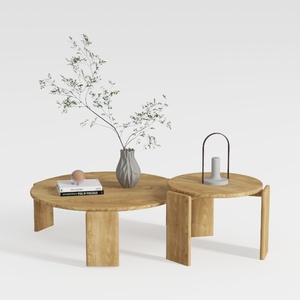
RUSTOWN 2-Piece Round Farmhouse Coffee Table
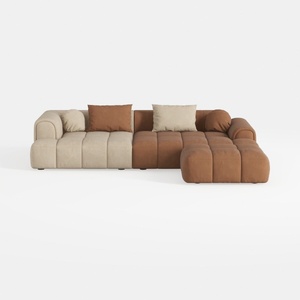
Modern Velvet Sectional Sofa, U Shape Minimalist M
Homestyler is your go-to online home design platform, perfect for turning your ideas into reality. With its user-friendly design tool, stunning 3D renderings, a plethora of design projects, and engaging DIY video tutorials, you can effortlessly create your dream space—no experience needed!
Zaprojektuj teraz za darmo
































