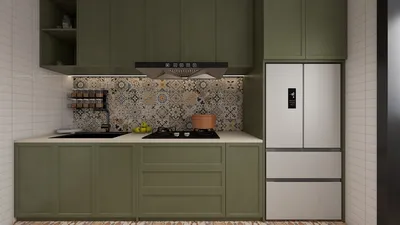


The adaptability of a hanging room divider is remarkable; it offers privacy without complicated construction, allows natural light to flow through, and adds texture and rhythm to any interior. Whether you're designing a reading corner in a compact apartment or establishing a collaborative area in a flexible loft, selecting the ideal suspended divider can enhance the sense of space, tranquility, and purpose. Consider using tools like Homestyler to visualize your layout effectively.
Research clearly indicates that distinctly defined areas can enhance our lifestyle and productivity. According to Gensler’s Workplace Survey, having options and control over one’s surroundings—particularly the ability to alternate between focus and collaboration—has a positive correlation with improved performance and satisfaction. Additionally, findings from Steelcase indicate that environments designed with flexible boundaries can diminish cognitive strain and facilitate task transitions. In home environments, lightweight hanging panels can provide comparable advantages, acting as visual cues that maintain a sense of openness. To ensure healthy interiors, standards such as WELL v2 stress the importance of controlling glare, balancing acoustics, and allowing user autonomy; effective hanging divider design plays a crucial role by modulating light, reducing sound, and empowering residents with layout choices. For those interested in evidence-based design, I recommend looking into Gensler’s studies and Steelcase’s workplace insights.
Design Objectives for Hanging Dividers
A suspended divider should simplify movement within the space, enhance comfort, and showcase material quality. My objectives include: 1) providing a subtle layer of privacy that avoids bulky partitions, 2) improving sound diffusion to reduce echoes, and 3) enhancing light quality by softening glare while allowing daylight to permeate. Achieving this typically involves a combination of perforated surfaces, translucency, and tactile elements to create spatial markers without completely closing off the area.
Organizing Your Space
Before installing any hardware, it's vital to assess actual movement patterns within the room. Identify key pathways (like from the entrance to the living area and the desk to the kitchen) and position dividers to frame these routes without obstruction. For circulation, I recommend allowing a clearance of 30–36 inches, increasing to 42 inches in high-traffic zones. Tools like Homestyler can help simulate different scenarios, testing circulation width and furniture arrangement before making permanent changes.
Managing Light and Glare
Creating a comfortable lighting environment begins with surface reflectance and the level of translucence. Sheer fabric panels that allow for 20–40% openness can soften incoming sunlight, while slatted or perforated materials disrupt direct beams that lead to glare. The Illuminating Engineering Society suggests a task illuminance of about 300–500 lux for reading and work activities; using filtered dividers near windows can help maintain light levels within this range while minimizing contrast on screens. I prefer matte finishes and light natural hues to diffuse brightness without losing depth.
Enhancing Acoustic Comfort
Hanging dividers contribute positively to sound dispersion, especially in rooms with hard surfaces. For noticeable acoustic improvements, opt for panels that incorporate mass and softness—such as felt, wool, cork-laminate, or fabric-wrapped frames. Even lightweight acoustic felt (8–12 mm) can effectively reduce high-frequency echoes. For additional sound management, layering two staggered panels with a 3–4 inch gap can create a simple type of diffusion that minimizes background noise without compromising the ambiance.
Impact of Color on Mood
Color plays an essential role in influencing behavior. Shades of blue and green can promote focus and recovery, while warm neutrals often encourage social interactions. Studies, such as those by Verywell Mind, corroborate my observations; cooler tones can help calm heart rates and enhance concentration, whereas warmer colors can foster a sociable environment. For versatile spaces, I blend a neutral base with a warmer accent to signal transitions from work to relaxation.
Material Varieties: From Soft to Sculptural
I categorize hanging divider materials into four primary groups:
- Soft textiles: including linen, cotton, wool felt, and acoustic polyester. Excellent for filtering daylight and sound absorption.
- Slatted wood: such as white oak, ash, and bamboo. These materials add warmth and rhythm; I suggest 1–2 inch spacing for partial privacy.
- Perforated metal: made of powder-coated aluminum or steel mesh. These are robust, modern, and effective for enabling airflow and light interaction.
- Mixed-media frames: comprised of timber or aluminum frames featuring fabric infill, reeded glass, or cork. They offer flexibility and are easy to repair.
Installation and Hardware
Ceiling-mounted tracks provide optimal flexibility—choose single tracks for straightforward slides or double tracks for layering panels. For fixed installations, discreet eye bolts and aircraft wire with turnbuckles ensure tension, while adhering within the ceiling's load capacity. Standard gypsum ceilings often require anchoring to joists, although toggle bolts may suffice for lighter structures—always check load ratings beforehand. I suggest maintaining a 1–1.5 inch gap from the panel edge to the floor to keep dust accumulation at bay and preserve visual lightness.
Proportions and Visual Alignment
Proportion is crucial when choosing dividers. In compact rooms, I keep the depth of the divider to less than one-third of the total room width, aligning panel breaks with architectural elements (like window frames and column lines) to maintain visual rhythm. A stacked-to-open ratio of about 60/40 strikes a balance between offering necessary privacy and allowing for the option to draw panels back and visually enlarge the space.
DIY Construction: Four Methods
Materials needed: curtain track, sheer fabric (with 20–40% openness), drapery hooks, and ceiling anchors. Cut the panels to the ceiling height minus 1 inch and hem the edges for durability. Install the track parallel to circulation paths and overlap the panels by about 4–6 inches for a seamless appearance. This is a quick method to increase privacy while maintaining natural light.
Materials include: 8–12 mm acoustic felt sheets, grommets, aircraft wire, and ceiling eye bolts. Strengthen the top edges with stitched webbing or aluminum strips to prevent stretching. Stagger the panels by 6–10 inches for a softer visual line. This approach reduces minor echoes and adds a tactile, crafted aesthetic.
Materials consist of: 1x2 hardwood slats, top and bottom rails, and cable hangers. Space the slats 1–2 inches apart; vary the spacing subtly to avoid moiré patterns with blinds. Seal the wood with low-VOC finishes. A suspended slat screen delineates areas while preserving airflow and light movement.
Materials include: powder-coated aluminum sheet with a 20–40% open area, C-channel frame, and wire suspension. This grid design casts beautiful shadows, suitable for kitchens or studios where durability is a priority.
Safety and Practical Considerations
Prior to hanging any heavier items, assess the ceiling structure. Avoid placing dividers close to smoke alarms or sprinkler systems. Ensure edges are smooth; using corner guards can be very helpful in tight passageways. For homes with children, opt for softer textiles or felt instead of sharp materials.
Sustainability Aspects
Select rapidly renewable materials (like bamboo and cork) and items made from recycled content (such as PET felt). Modular designs allow for easy repairs or replacements without increasing landfill waste. Choosing light-colored finishes and matte textures can also reduce dependency on artificial lighting and glare management systems. My goal is to identify materials that can be properly disassembled when they reach the end of their lifecycle.
Installation Checklist
- Verify ceiling anchorage and load limits.
- Map circulation space requirements and panel overlaps.
- Pre-finish materials to ensure clean edges.
- Check for glare issues with the panels open and closed during different times of day.
- Optimize acoustic effects by staggering or layering panels.
Styling and Tactile Elements
Small design choices can have a significant impact: consider adding a contrasting stitched edge, rounded corners on felt materials, or a slight shadow gap at the ceiling rail. Repeating the accent color from the divider in a nearby rug or throw can help unify the zones. Utilizing minimal hardware allows the materials to shine.
Choosing Between a Hanging Divider and a Solid Partition
Opt for a suspended divider when you desire light, airflow, and versatility. In contrast, a full partition serves best when acoustic isolation and regulatory fire separations are essential. If you expect frequent space reconfigurations—be it for seasonal work-from-home plans, hosting, or adapting children's areas—hanging dividers are the ideal choice.
Frequently Asked Questions
Q1: What’s the ideal height to install a hanging divider?
A: Install as close to the ceiling as feasible to enhance perceived height, leaving a 1–1.5 inch gap above the floor for dust prevention and subtle airflow.
Q2: Will a fabric divider darken my room?
A: Select sheer fabrics with 20–40% openness to allow daylight to reach the 300–500 lux comfort zone recommended for workspaces while minimizing glare.
Q3: What materials work best for enhancing acoustics?
A: Materials such as felt (8–12 mm), wool blends, or fabric-wrapped frames can effectively diffuse mid-to-high frequency sounds, reducing echo without making the room feel lifeless.
Q4: Can I put up a divider in a rental space without drilling?
A: Absolutely—consider using tension rods for lightweight fabric or clamp-on track systems where applicable. Always check your lease agreement and avoid imposing stress that could damage surfaces.
Q5: How do I keep the divider from swaying?
A: Incorporate discreet bottom weights, use dual suspension points to minimize movement, and keep panel width under 36 inches for lighter materials.
Q6: Which colors are ideal for multifunctional live-work areas?
A: Opt for desaturated cool neutrals to foster concentration, complemented by a warm accent to signal social interactions. Color psychology indicates that blue and green shades are calming, while warmer colors can invigorate.
Q7: Is a slatted screen adequate privacy for bedrooms?
A: Yes, as long as slat spacing is 1 inch or less and panels overlap. For additional privacy, consider adding a secondary sheer layer behind the slats.
Q8: How can I prevent glare near windows?
A: Utilize matte finishes, diffuse fabrics, and ensure panels partially overlap. Align them to disrupt direct views of bright skies or reflective surfaces.
Q9: Will a divider interfere with HVAC performance?
A: There will likely be minimal impact if gaps are maintained at the floor and ceiling, while using breathable materials. Avoid placing solid panels directly below air supply diffusers.
Q10: How should I plan the layout before making any permanent installations?
A: Draft circulation pathways and assess clearance requirements. If preferred, use an interior layout planner like Homestyler to visualize panel dimensions, overlaps, and furniture arrangements.
Q11: What finishes are best for maintaining indoor air quality?
A: Use low-VOC finishes for wood, powder coatings for metal parts, and OEKO-TEX-certified fabrics. These selections minimize off-gassing and enhance indoor air quality.
Q12: Can hanging dividers fulfill workplace needs?
A: In open office settings, suspended panels can effectively delineate areas for collaboration and focused work. Research from Steelcase and Gensler supports the notion that user control over spatial boundaries can lead to better productivity outcomes.




Discover the ease of home design with Homestyler! This user-friendly platform offers an innovative online design tool, stunning 3D renderings, and a wealth of DIY video tutorials. Whether you're a beginner or an experienced designer, you'll find endless inspiration for your next project.
Desain sekarang Gratis
































