

I have crafted and installed numerous foldable solutions, with Murphy tables often standing out as the centerpiece in compact studios, multifunctional dining areas, and micro-offices. When executed properly, these tables provide sleek designs, ergonomic safety, and versatile usage without obstructing movement. In smaller housing environments, intelligent surface designs can significantly influence how individuals work, eat, and relax. Research from Steelcase indicates that work surfaces between 28–30 inches support a natural shoulder alignment for most adults, reducing strain during extended use. Ensuring the right height in conjunction with secure wall anchoring and non-glare lighting makes a small table feel more spacious and inviting. Utilizing tools like Homestyler can help visualize these adjustments effectively.
The efficiency of space utilization is critical. Research from Gensler highlights that flexibility in spatial arrangement—quickly converting between setups—relates strongly to individuals' perceived effectiveness and satisfaction, particularly in mixed-use living and working spaces. The WELL v2 standard also underscores the importance of controlling glare and achieving target illumination levels of 300–500 lux for daily tasks. This distinction can transform a Murphy table nook from merely functional to highly inviting. When designing a table that serves both dining and work needs, prioritize height and lighting from the beginning, while ensuring a free circulation area of 30–36 inches to prevent it from feeling like an obstruction. For comprehensive ergonomic guidelines and planning standards, I keep references from Herman Miller and Steelcase readily accessible.
A Murphy table transcends being a simple hinged wall panel; it encompasses a cohesive blend of structure, reach zones, lighting, sound control, and material guidance. My usual approach involves mapping user interactions: morning coffee, daytime laptop work, and evening meals. Each scenario leads to distinct decisions regarding hinge types, leg designs, edge profiles, and material durability. I will outline planning ratios, measurement targets, hardware options, and construction steps, alongside subtle yet critical features that ensure a foldable table remains steady, quiet, and aesthetically pleasing, while tools like Homestyler can help with layout visualizations.
Evaluate Your Space and Define Dimensions
Start by measuring the wall and floor space, then outline the functional area. For a compact dining surface for two, dimensions of 24–26 inches deep and 36–42 inches wide serve well; for solo use, surfaces measuring 20–24 inches deep and 30–36 inches wide are usually adequate. Always maintain a circulation space of 30–36 inches when the table is deployed. The standard seated surface height is between 28–30 inches; for stool seating, a counter height of 36 inches can be effective while keeping elbows near 90 degrees to alleviate shoulder strain. Lighting should aim to provide approximately 300–500 lux at the table surface using 3000–4000K LEDs for an optimal balance of focus and comfort.
If the wall holds electrical switches or outlets, consider planning cutouts or relocating these fixtures. Be sure to identify stud positions and establish a continuous, load-bearing anchoring line that ideally spans at least two studs for even weight distribution. If you’re experimenting with various widths or circulation scenarios prior to building, a quick layout simulation tool like an interior planner offered by Homestyler can assist in confirming clearances and pathways.
Select a Hardware Strategy
Hinges: A continuous piano hinge ensures uniform load distribution and minimizes wobble. For heavier surfaces like solid wood or 3/4 inch plywood finished with laminate, opt for a stainless steel or brass piano hinge with a minimum of 8–10 screws securing both the tabletop and wall cleat. Concealed hinges can be used but generally complicate achieving a flush finish.
Support legs: Available options include drop-down legs, fold-out brackets, or cable stays. Drop-down legs provide optimal vertical stability and reduced noise; cable stays save on weight but may introduce some bounce. For a polished appearance, I frequently specify folding steel brackets rated for 200–300 lbs, complemented by soft-close support to prevent abrupt closures.
Wall cleat: Using a 2x4 or 1x3 hardwood cleat, securely lag-bolted into studs, effectively distributes the load. Ensure the cleat length matches or exceeds the table width, utilizing washers to avoid compressing fibers under bolt heads.
Material Choices and Finish
For durability, choose 3/4 inch Baltic birch plywood with high-pressure laminate to resist warping and damages from spills. Solid maple or oak can provide a tactile feel but increases weight; should you select solid wood, keep dimensions modest and consider undercutting edges to lessen perceived bulk. The edge profile is vital—a soft 1/8 inch radius can help reduce sharp edges for children and adults alike. A matte finish (20–30 gloss units) helps minimize glare and visual clutter.
The psychology of color can be subtle yet significant. Calming cool neutrals work well in busy corners, while a rich accent color like deep teal or olive under the panel can signal “active mode” when the table is lowered. An overview of color psychology from Verywell Mind indicates that shades of blue and green can enhance focus, whereas warmer tones contribute to a more social atmosphere—use this strategically for a workspace and dining combination.
Lighting, Sound, and Comfort
Integrate a slim LED task lighting strip under the table's closed panel to ensure illumination upon opening. Aim for 300–500 lux at the work surface, with 3000–4000K color temperature and CRI of 90+ for accurate color rendering. For glare control, position fixtures at right angles to the user's line of sight and consider a micro-prismatic diffuser. If your table is set against a window, incorporating a roller shade with 3–5% openness can help reduce veiling reflections.
Acoustic comfort is essential in smaller homes. Installing a felt-backed panel or cork pinboard on the wall behind the table can absorb sound reflections while serving as a display area. Soft rugs underfoot can also diminish noise and create a more settled atmosphere.
Human Factors: Reach, Clearance, and Safety
Maintain fingertip-to-elbow reach zones by keeping frequently used items within 16–20 inches of the front edge. Ensure there is at least 24 inches of leg clearance depth to keep knees comfortable, and avoid center supports that may obstruct movement. For tables accessed by children, implement soft-close stays and control the drop speed. Round edges (R6–R10 mm) can help prevent injuries in circulation paths.
Weight planning is crucial. Estimate live loads: two adults leaning against the table along with the contents can reach 200–250 lbs. Verify bracket ratings and bolt shear strengths. If mounting on plaster over masonry, opt for sleeve anchors; in drywall, always anchor into studs instead of relying solely on toggles.
Constructing the Project
1) Map out the stud locations, set the cleat height, and pre-drill holes for the lag bolts. 2) Create the tabletop using your selected material and finish; add a continuous hinge along one long edge. 3) Install folding brackets or drop legs aligned with the stud locations. 4) Conduct tests of the opening/closing mechanisms; adjust for levelness and fit. 5) Include bumpers or a concealed magnet catch to guarantee the panel sits flush when closed.
I often include a shallow storage rail inside the panel—sufficient for items like napkins, pencils, or a compact power strip. Ensure storage depth remains under 2 inches to avoid interfering with fold thickness or wall proximity.
Power and Cable Management Integration
Where feasible, position a low-profile outlet or surface raceway below the table line. A grommet placed near the rear corner helps keep laptop cables organized. If the table functions as a breakfast bar, hooks mounted underneath can accommodate bags or headphones, maintaining an uncluttered appearance.
Style and Visual Balance
In compact spaces, maintaining visual rhythm is just as essential as maximizing square footage. Align the closed panel of the table with existing wall features—light fixtures, artwork, or shelves—so that when folded, it appears to be an intentional part of the millwork. Utilize vertical grain if the panel is tall to highlight height; horizontal grain can give an illusion of width on narrow walls. A two-tone finish (neutral exterior and a warm wood interior) provides a delightful contrast when the surface is lowered.
Common Measurements and Ratios
- Seated height: 28–30 inches
- Counter height: ~36 inches
- Dining surface depth: 24–26 inches
- Laptop task depth: 20–24 inches
- Clearance when open: 30–36 inches
- Minimum knee clearance depth: ≥24 inches
- Lighting: 300–500 lux at surface, 3000–4000K
Maintenance and Durability
Verify and tighten hinge and bracket screws every six months. Attach felt pads where the table contacts the wall to avoid paint damage. Clean laminate surfaces with mild soap; do not use abrasives. For natural wood finishes, refresh with hardwax oil annually. Check cables or stays for potential fraying and replace them promptly before they deteriorate.
Variations on the Project
- Minimalist studio: slim laminate top, continuous hinge, two folding brackets, matte white panel that merges with the walls.
- Family kitchen: deeper top, rounded edges, drop-down legs, chalkboard finish inside for notes.
- Micro office: narrower top with a cable grommet, LED lighting strip, cork acoustic panel on the back, magnetic latch for silent closure.
Pre-Use Safety Checklist
- Confirm that lag bolts are well-secured into studs (using a stud finder and pilot holes).
- Ensure bracket or leg ratings match the expected load.
- Check for a level span across the width; use shims on brackets if required.
- Test soft-close mechanisms or stays to prevent finger pinching.
- Review lighting setup to avoid glare and ensure sufficient brightness.
Frequently Asked Questions
Q1: What is the optimal height for a Murphy table intended for both dining and laptop use?
A: Aim for a height of about 29 inches as a balanced seated height. This aligns with ergonomic recommendations for neutral shoulder positions and is compatible with standard dining chairs.
Q2: How much wall space is necessary?
A: Set aside the table width (30–42 inches for most designs) in addition to at least 30–36 inches of open floor space in front when deployed to maintain comfortable circulation.
Q3: Which hinge type offers the best stability?
A: A continuous piano hinge effectively distributes weight evenly along the edge, decreasing wobbliness compared to using two or three individual hinges.
Q4: Is it feasible to rely solely on drywall anchors?
A: No—securely anchor into studs or masonry. Drywall toggles are insufficient for dynamic loads resulting from leaning or the routine use of the table.
Q5: What type of lighting is recommended for the table area?
A: Use a slim LED light that provides 300–500 lux at the tabletop and maintains a color temperature between 3000–4000K to minimize glare and support comfortable work and dining experiences.
Q6: How can I reduce noise while using the table?
A: Incorporate felt bumpers, soft-close stays, and a magnet catch. Additionally, using a cork or felt panel behind the table can dampen sound reflections as well.
Q7: Which materials are the most durable?
A: 3/4 inch Baltic birch plywood with high-pressure laminate is a strong, warp-resistant choice. While solid hardwood adds beauty, it significantly increases weight.
Q8: How do I efficiently manage cables for remote work scenarios?
A: Utilize a grommet in the back corner, adhesive cable clips beneath the surface, and contemplate a compact raceway to connect cleanly to a nearby outlet.
Q9: Is a counter-height Murphy table practical?
A: It can be effective with stools for quick tasks or breakfast, but for extended typing sessions, a seated height of around 29 inches is better for shoulder and wrist alignment.
Q10: What edge design is safest in confined spaces?
A: A soft 1/8 inch radius or R6–R10 mm round-over minimizes impact risks along circulation routes and feels more comfortable against forearms.
Q11: How frequently should I inspect the hardware?
A: Conduct inspections every six months to tighten screws and assess brackets, stays, and hinges for wear.
Q12: Is it possible to include storage inside the fold-down panel?
A: Yes—ensure it remains shallow (≤2 inches) to avoid compromising fold thickness and allow for a clean closure.

Minimalist Solid Oak Fabric Upholstered Dining Chair 3D Model
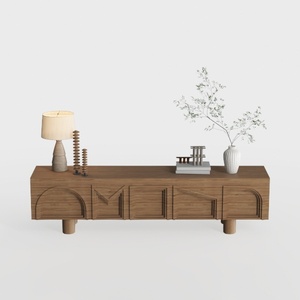

Minimalist Carved Solid Wood TV Stand Console Table 3D Model

If you're looking to transform your space effortlessly, Homestyler is your go-to platform! With its intuitive online design tool, stunning 3D rendering, and a treasure trove of DIY video tutorials, you can easily create beautiful interiors and bring your dream home to life.
Progetta ora GRATIS
































