

Creating a small makeup table requires precision: every inch should have purpose while fostering a tranquil, beautiful grooming space. In limited bedrooms, studies indicate that clutter can make a room feel smaller and increase stress levels—Steelcase research points to the fact that a visually organized environment enhances focus and simplifies daily tasks. According to data from WELL v2, the recommended task lighting for grooming is around 500 lux, pivotal for accurate makeup color application. I often start the design process by balancing task lighting, organizing storage, and ensuring ergonomic access to craft a vanity that feels spacious without extending its footprint.
Prioritizing lighting and visual clarity is essential. The IES suggests a Color Rendering Index (CRI) of 90+ for color-sensitive tasks; combining high-CRI LED lights with a neutral color temperature of 3000–3500K helps eliminate makeup mismatches. WELL v2 emphasizes controlling glare and achieving even light distribution, which is why I prefer using two vertical lighting sources by the mirror instead of a single overhead fixture that often creates shadows. For a deeper understanding of lighting and wellness standards, check WELL v2 at v2.wellcertified.com; for technical specifications, refer to IES standards available at ies.org/standards. Adjusting light quality can significantly elevate a compact vanity setup.
Understanding Scale, Proportion, and Ergonomics
In small rooms, proportion is key to comfort. A tabletop depth of 12–16 inches (30–40 cm) typically accommodates essentials without disrupting traffic flow. The seat height should be about 17–19 inches (43–48 cm), paired with a 28–30 inch (71–76 cm) tabletop to keep wrists in a neutral position, in line with common ergonomic seating practices. Ensure that frequently used items remain within a 10–15 inch reach zone to avoid shoulder strain. If you prefer standing while applying makeup, consider a 36–38 inch counter height and incorporate a mini anti-fatigue mat, which aids in joint comfort and conserves floor space by eliminating the need for a chair.
Smart Storage: Utilizing Vertical, Layered, and Concealed Options
Compact vanities excel with vertical storage. A slim, stacked system featuring shallow drawers combined with a deep bin can effectively segregate daily essentials from bulkier products. Utilizing drawer inserts with 2–3 inch compartments keeps items from rolling around, correlating with research from workplace studies by Gensler regarding cognitive load reduction. In exceptionally small spaces, I suggest mounting a low-profile peg rail above your vanity for storing heat-styling tools equipped with silicone sleeves, which not only saves drawer space but also enhances airflow post-use. A mirrored cabinet that is merely 4 inches deep can store skincare products in a sleek arrangement while acting as a light reflector.
Strategizing Mirror Use in Small Areas
Mirrors are both practical and spatial enhancers. A frameless, wall-mounted mirror that reaches at least the width of the table can visually enlarge the space and provide seamless reflection. Pair it with a compact 5x magnifying mirror that is attached to a swing arm and can be tucked away; this helps in minimizing countertop clutter while offering precision for tasks like eyeliner application. Softened visual weight can be achieved with rounded corners, and a beveled edge effortlessly refracts light, enhancing brightness perception.
Layered Lighting: Task, Ambient, and Accent
Task lighting needs to provide consistent, shadow-free brightness. Two vertical sconces or LED strips positioned at eye level (approximately 60–65 inches / 152–165 cm from the ground) create balanced facial lighting. Ambient illumination can be achieved through a small shaded lamp or a ceiling fixture set at 2700–3000K to add warmth to the area. Accent lighting—such as toe-kick LEDs—adds depth and aids nighttime navigation without harsh glare. Aim for illuminance levels of around 300–500 lux at the face for makeup application and 100–200 lux for general activities. Consider using dim-to-warm fixtures that elegantly transition from bright daytime light to softer evening tones.
The Psychology of Color for Calm and Accurate Makeup Application
Selecting color schemes is vital when assessing skin tone. Neutral, low-saturation palettes like soft greige, sand, and light taupe aid in preventing color distortions. As outlined in Verywell Mind’s exploration of color psychology, blues and greens promote calmness, while warmer tones tend to energize; I prefer employing a neutral backdrop with subtle cooler undertones to counterbalance ruddiness during makeup application. Matte finishes not only decrease glare but also hide fingerprints. If you desire pattern, placing it above eye level or on a stool minimizes visual clutter in the task zone.
Strategic Layouts for Tiny Spaces
In narrow bedrooms, positioning the vanity in an unused corner while keeping the stool floating helps maintain walkway widths of 30–32 inches. By wall-mounting the vanity top, legroom is liberated, allowing the stool to be fully tucked underneath. When it comes to planning reach areas, utilizing an interior layout planner can effectively visualize swing-arm mirrors, drawer accessibility, and stool movement; employing a room layout tool like Homestyler can assist in simulating these arrangements and preventing potential collisions before installation.
Materials and Sustainable Choices
Compact doesn't have to mean compromising on quality. I opt for sturdy, low-VOC finishes to ensure healthy indoor air quality. A laminate or veneer top with a solid wood edge resists warping while maintaining a sleek profile. For drawer construction, plywood with UV-cured coatings offers both lightweight durability. Clear, recycled acrylic organizers are easy to maintain and keep items looking as good as new. Hardware also plays a crucial role: soft-close slides minimize vibrations that could topple standing bottles, while leather or fabric pulls create a cleaner visual than shiny metals in smaller spaces.
Enhancing Acoustic Comfort
Morning routines often create unexpected noise. A felt-lined tray reduces the sound from clinking glass jars. A small area rug can help absorb footsteps and give the space a grounded feel. If the vanity is positioned near a shared wall, a cork pinboard mounted above doubles as a mood board and provides an acoustic buffer while allowing you to keep notes or swatches visible.
Multi-Functional Vanities
In studio apartments, I frequently design vanities that can also serve as workstations. A flip-up mirror can cleverly conceal a spot for a laptop; a magnetic strip behind the mirror frame can hold bobby pins and tweezers securely. Effective cable management, done through a grommet, keeps charger cords out of sight. It’s essential to have distinct lighting settings: a cooler neutral task light for makeup application and a warmer ambient light for reading or video calls.
Establishing Visual Rhythm and Balance
Even in confined spaces, rhythm remains essential. Repeating one material in three locations—such as the tabletop, drawer pulls, and stool base—helps unify the overall look. Ensure the largest object (the mirror) is centered and balance it with a smaller feature (such as a single sconce or a plant) to avoid rigidity. Personal touches like a small vase, a candle, or a framed photo can add character without overwhelming the space.
Quick Configuration Ideas
- Wall-mounted shelf (depth of 12–14 inches), foldable stool, swing-arm mirror
- Slim console with two shallow drawers, paired with two vertical sconces
- Floating drawer unit with a surface tray, complemented by an under-shelf LED strip
- Peg rail with heat-safe holders, together with a mirrored cabinet above
- Flip-up mirror desk with integrated cable grommet and dim-to-warm light settings
FAQ
Q1: What is the ideal lighting setup for a small makeup table?
A1: Use two vertical lights at eye level with high-CRI (90+) LEDs in the color range of 3000–3500K. Aim for a task illuminance of near 500 lux to minimize shadows and ensure color accuracy, aligning with WELL v2 guidelines for visual comfort.
Q2: How deep should a compact vanity be?
A2: A tabletop depth of 12–16 inches generally suffices for storing essentials while allowing for easy circulation. Pair this with a stool that can tuck completely underneath to maximize floor space.
Q3: What type of mirror maximizes spatial efficiency?
A3: A wall-mounted, frameless mirror that is equal to or wider than the tabletop enhances visual space. Incorporate a fold-flat magnifying mirror on a swing arm for precision tasks without adding clutter.
Q4: How can I keep a compact vanity tidy?
A4: Isolate daily-use items into shallow drawer inserts and dedicate one deep drawer for larger tools. Implement vertical storage solutions such as a peg rail with silicone holders and a mirrored cabinet for slim, effective storage options.
Q5: What stool height is considered optimal?
A5: Aim for a seat height between 17–19 inches with a tabletop height of 28–30 inches to promote neutral wrist positioning. For those who prefer standing while applying makeup, a 36–38 inch counter height is ideal.
Q6: Which colors facilitate accurate makeup application?
A6: Neutral, low-saturation colors with matte finishes help avoid color distortions and reduce glare. Incorporating slightly cooler undertones in the wall colors can help balance skin redness during application.
Q7: Can a small makeup table serve as a workstation?
A7: Absolutely. A flip-up mirror with hidden storage for devices works perfectly, add a cable grommet, and set up two distinct lighting scenes—one neutral task light for makeup and a warmer ambient light for tasks such as reading or video calls.
Q8: How can I manage sound near my vanity?
A8: Felt-lined organizers, a small area rug, and a cork pinboard can help to absorb noise, creating a more serene experience, particularly useful in shared or compact living spaces.
Q9: What materials are both durable and suitable for small vanities?
A9: Look for laminate or veneer tops with solid wood edges that resist warping and maintain a lightweight appearance. Drawer boxes made from UV-cured plywood and clear recycled acrylic inserts are both tough and easy to keep clean.
Q10: Are there layout tools available to assist in planning a small vanity?
A10: Yes, utilizing a room layout tool, such as Homestyler, allows you to explore clearances, mirror swing zones, and stool placement effectively before installation. This method visualizes movement paths and helps prevent collisions in tight spaces.

360 Lighting San Carlos Coastal Cottage Modern


Minimalist Solid Oak Bookshelf Open Storage Display 3D Model
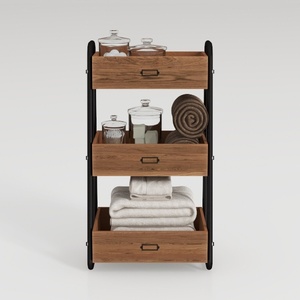
IBUYKE Narrow Side Table with Storage Shelf, 3
Homestyler is your go-to online home design platform! With its user-friendly design tool, stunning 3D renderings, a wealth of design projects, and insightful DIY video tutorials, transforming your living space has never been easier or more enjoyable. Unleash your creativity today!
今すぐ无料でデザイン
































