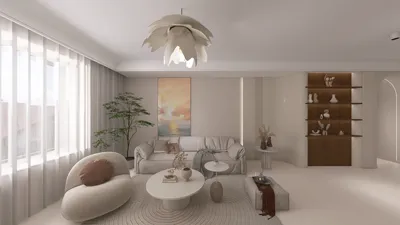


I once had a client who was adamant about fitting a standing desk, a printer, and a potted palm into their RV office — all within the confines of a 4-foot counter depth. This experience taught me that working with limited space can ignite my creativity. I drew up a few designs on-site, dubbing it my 'compact command center'; that initial sketch became a beloved tiny office setup that I often recommend. If you're adapting your workspace to an RV, an efficiently planned tiny office layout can dramatically enhance your daily work experience.
1. Fold-down desk with concealed storage
Fold-down desks have become a favorite of mine as they offer a complete workspace that disappears entirely when not in use. I once installed one above an RV dinette, incorporating wireless chargers and a slim shelf behind a magnetic panel — it created the feeling of a hidden office. The advantage is that you gain maximum floor space and a streamlined aesthetic; however, heavier equipment necessitates careful cable management. Some DIY reinforcement and labeled cable channels can resolve most issues.
save pin
2. Nook facing the window to elevate mood
Whenever feasible, I position the desk towards a window — natural light expands tight spaces and keeps me focused, especially during lengthy calls. In a previous conversion, I added a narrow ledge and a swivel chair, transforming the workstation into a daytime lookout and an evening reading nook. It's easy to implement and budget-friendly, although managing glare can occasionally be a small challenge; lightweight blinds or a low-profile screen generally remedy that.
save pin
3. Vertical storage solutions and pegboard systems
I often rely on vertical solutions to keep desk surfaces tidy: slender cabinets, pegboards, and hanging file pockets. For instance, I designed a wall grid in an RV office that accommodated everything from headphones to folding lamps, instantly creating an organized atmosphere. If you're visually inclined like I am, a labeled wall is a game changer. For tactile organization enthusiasts, consider incorporating a small shelf for frequently accessed items; it costs little and saves plenty of time. You can even visualize layouts with a quick 3D floor mockup using Homestyler before making any commitments.
save pin
4. Convertible seating: from bench to office chair
One of my go-to solutions is to utilize seating that also serves as storage. A cushioned bench with hidden compartments can become both a comfortable seat and a place to store cables, backups, or a compact shredder. In a recent RV setup, I added a slide-out keyboard tray beneath the bench — both ergonomic and discreet. This strategy keeps the area organized but may need customized cushions or an upgrade to foam for extended comfort; budget-friendly upholstery foam often does the job well.
save pin
5. Multi-zone micro office with clear sightlines
When space permits, I like to delineate zones: one for focus, another for storage, and a relaxation corner — all within sight to allow smooth transitions without a complete setup overhaul. In an RV remodel, I distinguished zones using various surface materials and a low divider; these visual markers made the compact office feel both intentional and expansive. While this might come at a slightly higher budget due to materials, creating specific zones minimizes distractions and enhances productivity — explore some effective room planning examples for layout inspiration and ideas.
save pin
FAQ
Q1: What is the ideal desk size for an RV office? A1: Aim for a depth of 18–24 inches to accommodate a laptop and mouse, with a minimum width of 36 inches for comfort. Smaller desks can be effective if you utilize vertical storage and a laptop stand.
Q2: How do I achieve ergonomic design in an RV office? A2: Utilize an external keyboard, elevate your screen to eye level with a stand, and select a supportive chair. Remember to take short breaks and stretch every 30–45 minutes to avoid stiffness.
Q3: Is it safe to operate a printer and other electronics in an RV? A3: Yes, just be mindful of your power limits; employ surge protectors and be aware of your RV's maximum load. To prevent overloading the circuit, unplug high-demand devices when not in use.
Q4: Why is natural light significant in an RV workspace? A4: It greatly enhances mood and concentration. If windows aren't feasible, strive for layered lighting: a combination of ambient light and a task lamp with adjustable color temperatures.
Q5: How can I manage cables effectively in a compact RV office? A5: Use cable channels, adhesive clips, and a small power hub stashed in a drawer. Label both ends of each cable to simplify setups.
Q6: What’s an economical upgrade that makes a substantial difference? A6: Investing in a good-quality laptop stand and an ergonomic mouse can greatly enhance comfort for under $100. I have installed these in various client RVs, and the feedback has been immediate: less neck strain and improved posture.
Q7: Are there tools available for space planning to visualize ideas? A7: Absolutely — many designers, including myself, create mockups before the build; these visual aids help minimize costly mistakes and test furniture arrangements.
Q8: How can I ensure that my RV office adheres to safety and ergonomic standards? A8: Follow fundamental ergonomic principles from trusted sources like OSHA for workstation configuration and check the electrical limits outlined in your RV manual. According to OSHA's guidelines, key factors for healthy posture include monitor height, keyboard positioning, and chair support.
save pin
Discover Homestyler, the ultimate online home design platform! With its user-friendly design tool, stunning 3D renderings, and a wealth of inspiring design projects and DIY video tutorials, transforming your space has never been easier. Unleash your creativity and design your dream home today!
立即免费设计
































