

HSR Layout, a vibrant area in southeast Bangalore, seamlessly combines the energetic spirit of startups, pedestrian-friendly streets, and convenient proximity to major roadways, making it an ideal choice for room rentals. Drawing on my experience with designing interiors for co-living spaces and compact apartments in Sectors 2 and 3, I evaluate the rooms here with a focus on practical factors such as commute times, natural light, sound insulation, and the unique character of each micro-neighborhood. An important metric for daily satisfaction is the availability of daylight; according to WELL v2 standards, workspaces should have a minimum of 250 lux for optimal visual comfort. In HSR, rooms facing east or north often achieve this level on sunny days, while ground-floor options can benefit from brighter color schemes and effective task lighting. Insights from Gensler’s research consistently reveal that both daylight and views correlate strongly with well-being and productivity, which is certainly evident even in smaller rental spaces where light is appropriately incorporated and glare is minimized.
While budget considerations are crucial, the efficiency of the room layout plays an equally significant role. According to research by Steelcase, individuals spend about 30% of their home time on small, routine tasks such as laundry, meal preparation, and digital work. Therefore, a room designed for efficiency, utilizing a straightforward zoning plan (dedicating areas for sleep, work, and storage), helps minimize clutter and reduce stress. For effectiveness in lighting, a range of 300–500 lux is typical for reading or desk-based tasks; utilizing a lamp rated between 3000 to 3500K paired with shaded fixtures can help mitigate glare in rooms featuring glossy tile floors. If you need to visualize the space before committing to a lease, a room layout tool like Homestyler can help simulate placements for beds and desks in relation to windows and doorways, ensuring smooth movement and sound isolation.
Understanding the Micro-Neighborhoods of HSR Layout
HSR Layout is organized into several numbered sectors, each showcasing its own unique ambiance. Sectors 2 and 3 are bustling with cafes, fitness centers, and coworking spaces, while Sectors 6 and 7 provide a quieter atmosphere close to parks and spacious roads. When renting, I quickly assess three key aspects: the noise dynamics (traffic versus quiet lane sounds), the street orientation (east or north for gentler daylight), and the proximity to major bus routes along the ORR and the bustling Silk Board junction. If your work schedule involves late hours, being just 10–15 minutes away from the main junction can lessen the disturbance from honking and high temperatures, all while maintaining convenient transportation access.
Types of Rooms: Singles, Shared, and Studios
In Sectors 2 to 5, single rooms with shared kitchens are prevalent, while shared accommodations offer savings of 15–30% but at the cost of privacy. Compact studio apartments are typically situated closer to commercial areas. I prefer layouts that position the bed opposite the door for privacy and parallel to the window to encourage cross-ventilation. It's important to maintain a clear pathway of at least 600–800 mm between the door and desk to avoid accidents at night and simplify daily routines.
Room Pricing and Influencing Factors
Rental prices fluctuate based on factors like distance from main nodes, room size, floor level, and what furnishings are included. Corner units boasting two-sided exposures generally command higher rates but offer superior airflow. While first-floor units may be more affordable, they could also be noisier; conversely, upper-level apartments tend to be quieter but might lead to increased heat retention during the summer months—consideration for blackout curtains and fans rated no higher than 50–60 dB at maximum speed is essential for maintaining acoustic comfort.
Commuting and Connectivity
If your workplace is along the ORR or near Bellandur, it's advisable to chart a route that avoids peak traffic at Silk Board. I personally aim for accommodations within a 10–12 minute walk from a dependable bus stop or along a direct auto path, as this ensures a more manageable weekday routine. For those who prefer cycling, ensure there is dedicated, secure bike parking and that the stairwells are sufficiently wide for easy maneuvering of bicycles.
Illumination, Color, and Acoustic Comfort
In compact rooms, the psychology of color plays a significant role: research from Verywell Mind indicates that blues and greens typically help alleviate stress, while vibrant reds may create an excessive stimulation, making them suitable as accents but not for large wall spaces in smaller sleeping quarters. I recommend keeping walls in neutral tones (such as off-white or light gray) while integrating soothing shades in textiles. For sound, incorporating soft rugs and upholstered seating can significantly reduce echoes created by hard tile surfaces; including a simple bookshelf next to the desk can also help with sound diffusion. It's ideal to target a nighttime noise level of 35–45 dB, which can be gauged by standing by the window around 10 p.m. on a weekday.
Maximizing Storage and Space Efficiency
Utilize vertical space effectively. A 2.1–2.4 meter high modular shelf that combines closed bins for off-season items and an open middle section for everyday necessities can create a visually appealing rhythm in the room. Aim to keep the bed’s footprint under 35–40% of the total floor area to avoid a cramped feel. Opt for a sleek 120 cm desk that includes cable management features rather than larger tables, which can impede flow within the room.
Choosing Materials for Durability and Aesthetics
In rental properties, the finishes are often predetermined, but you have control over additional items. I prefer washable cottons for curtains (which allow for light diffusion), low-VOC foam pillows, and a small jute rug to add a tactile warmth. For glossy floor surfaces, selecting matte-finish furniture helps diminish glare. Avoid positioning full-length mirrors directly across from windows; instead, use a narrow mirror near the wardrobe to ensure balanced lighting.
Ergonomics for Combining Work and Living
For those anticipating remote work within their rental, ergonomics should be prioritized. A desk height that promotes a neutral wrist position while allowing a 90–100° hip angle can alleviate strain. WELL v2 highlights the importance of adjustable lighting and acoustic considerations in facilitating cognitive tasks. I recommend placing a task lamp 30–40 cm to the left or right of the monitor to avoid glare and adding a footrest if the chair height is fixed.
Safety, Airflow, and Upkeep
When searching for accommodations, assess the quality of window grills, locks, and stairway illumination. Assess the presence of cross-ventilation—having an operable window and a door vent or additional opening can help mitigate heat during the warmer months of April and May. Pack a small maintenance toolkit that includes a surge-protected extension cord, a door sweep to keep out dust, and silica gel packs for moisture control in wardrobes during the monsoon season.
Understanding Lease Terms and Key Questions to Ask
Before finalizing a rental agreement, ensure clarity on included utilities, the frequency of housekeeping services, conditions regarding deposit returns, and designated quiet hours. Request photographs taken at different times throughout the day to evaluate variations in natural light and glare. In shared accommodations, establish early agreements regarding cooking, guests, and designated cleaning responsibilities to avoid future disputes.
Simple Layout Adjustments for Enhanced Daily Comfort
By repositioning the bed so that the headboard is against the wall opposite the window, you can minimize drafts during cooler evenings. Place the desk on the wall that receives the most light, avoiding direct sun exposure to prevent screen glare. If you need a swift way to visualize available configurations, using an interior layout planner like Homestyler can assist in arranging beds, desks, and wardrobes while considering window and door placements for optimal circulation and storage.
Research from Gensler and guidelines provided by WELL v2 can offer valuable insights for improving health and performance within residential spaces. I frequently apply their recommended thresholds to compact rentals, yielding predictable comfort without overly complicating the arrangement.
Tip 1: Focus on Listings Within Three Blocks
Narrow your search to properties located within three blocks of essential destinations such as bus stops, grocery stores, or gyms. This approach helps to minimize commuting variables while ensuring safer late-night returns.
Tip 2: Evaluate Natural Light and Noise Levels Before Committing
Plan your visits around 8:30–9:30 a.m. to assess morning light and again between 7:30–8:00 p.m. to gauge noise levels. Look for glare on glossy floors and ensure you can comfortably read a book by the window without needing to switch on additional lighting.
Tip 3: Define Micro-Zones Within Your Space
Establish separate areas for sleeping, working, and storing items within distinct corners. Anchoring the work area with a rug or floor lamp assists in organizing space and keeps cables out of high-traffic areas.
Frequently Asked Questions
Q1: Which sectors in HSR Layout are best for peaceful rentals?
A1: Sectors 6 and 7 typically feature quieter residential lanes and proximity to parks, whereas Sectors 2 and 3 are more active due to concentrations of cafes and coworking spaces. Take a nighttime stroll along potential rental streets to evaluate actual noise levels.
Q2: What amount of daylight is necessary for comfortable reading in a rental room?
A2: Strive for around 300-500 lux at your desk as suggested by IES guidelines. Rooms facing east or north tend to provide more consistent and gentle daylight. Complement these with a 3000–3500K task lamp to manage glare effectively.
Q3: What color strategies can help reduce stress in compact living spaces?
A3: Utilizing neutral wall colors with blue or green tones has been associated with positive mood stabilization according to color psychology, while vibrant colors should be reserved for textiles or accents.
Q4: What’s the best way to quickly assess a room layout before committing to a rental?
A4: Outline locations for bed, desk, and wardrobe while ensuring a clear passage of 600–800 mm from the door to the desk. Tools like Homestyler can help visualize furniture arrangements to avoid congestion.
Q5: Do higher floors offer better noise reduction in HSR Layout?
A5: Generally, yes. Higher-level apartments are likely to experience less street noise, although they might lead to greater heat retention. Be prepared with blackout curtains and fans that operate below 60 dB to enhance your overall comfort.
Q6: What minor enhancements can improve acoustics in rooms with tiled floors?
A6: Incorporate soft rugs, fabric drapes, and a bookshelf filled with books to serve as sound absorbers and diffusers, helping to reduce echoes and maintain clarity during conversations.
Q7: How can I ensure ergonomic comfort for hybrid work in a rental space?
A7: Position your screen at eye level for optimal ergonomics, maintain elbow angles around 90 to 100 degrees, and use a task lamp placed off to the side to minimize glare. According to WELL v2, light and noise controllability are crucial for cognitive comfort.
Q8: What should I delineate in lease agreements?
A8: Confirm included utilities, deposit return terms, maintenance response times, and noise policies. Request images that depict the space at different times of the day to assess daylight quality and glare potential.
Q9: What’s a practical way to approach monthly budgeting for rooms in HSR Layout?
A9: Divide your budget into segments for rent, utilities, and transportation (car, bus, or bicycle). While corner units or dual-aspect rooms may incur higher costs, they often result in savings on ventilation and daylighting expenses.
Q10: How can I quickly assess ventilation in a rental?
A10: Look for at least one operable window and an additional opening such as a door vent or nearby window. You can also light incense briefly and observe for consistent airflow exiting the room.

Minimalist Solid Oak Wood Stacked Round Stool 3D Model
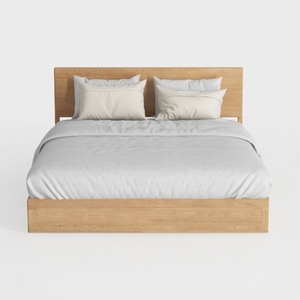
Minimalist Solid Oak Wood Platform Bed 3D Model

Minimalist Oak Fabric Dining Chair 3D Model
Homestyler is an outstanding online platform for anyone looking to create stunning home designs. With its user-friendly design tool, impressive 3D renderings, diverse design projects, and informative video tutorials, you can effortlessly turn your interior design dreams into reality!
Design Now for FREE
































