

Modern living rooms are designed to serve multiple purposes beyond merely facilitating conversations. They balance work calls, manage foot traffic, and create serene transitions between social spaces and private areas. Thoughtfully designed wooden partition walls can achieve these objectives while maintaining an open feel. Research from Steelcase indicates that environments offering a mix of openness and controlled privacy can enhance employee productivity perceptions by 10–15%. This insight is especially relevant for home layouts, where flexibility and functionality are essential. The WELL v2 guidelines also emphasize the importance of acoustic comfort and visual connectivity for overall wellbeing, advocating for design strategies that find harmony between openness and sensory management. The innovative platform, Homestyler, can assist in visualizing these concepts effectively.
The interplay of color and light is as crucial as the spatial arrangement of a room. According to Verywell Mind, incorporating natural materials and warm color palettes can reduce stress levels and foster a sense of safety. In living spaces, the warmth of wood harmonizes well with neutral tones, while proper lighting—ideally between 100–300 lux in casual settings—ensures that partitions are perceived as elegant architectural features, rather than mere obstacles. When seeking to adapt layouts, a room layout tool can be invaluable for modeling sightlines, daylight access, and circulation patterns before implementing any physical changes.
Key Considerations for Wooden Partition Walls
I begin with a clear purpose: Do we need to direct movement, enhance privacy, offer storage, or improve acoustics? Then, I consider how to align height, openness, and material choice with those objectives. The ideal partitions maintain visual openness while allowing natural light to filter through, providing sufficient separation to minimize distractions. I aim for a balanced ratio of 60/40 between open and closed areas in open-plan living rooms—just the right amount of texture to define distinct spaces without overwhelming them visually.
Lighting, Transparency, and Proportions
Slatted and perforated timber are effective because they filter rather than completely block light. For adjoining living and dining areas, I typically opt for slats measuring between 25–45 mm wide, with gaps of 15–25 mm to achieve approximately 40–55% openness—sufficient for airflow and light penetration while concealing clutter behind the partitions. Proper alignment of the ceiling with the partition can enhance visual continuity; extending the slat rhythm into a ceiling band for 300–600 mm can give the space a more elongated feel. Additionally, a minimum clearance of 900 mm around the ends of partitions is essential for smooth traffic flow and accessibility.
Maximizing Acoustic Comfort
Open spaces often face challenges with sound reverberation. While timber's structure aids in this, effective design requires more than just the right materials. I incorporate felt-backed battens, micro-perf panels (with small 0.5–1.5 mm holes), or slatted fronts over acoustic insulation in areas near TVs and home offices. My goal is to achieve a reverberation time of around 0.4–0.6 seconds in small living areas, maintaining intelligibility without sacrificing comfort. The acoustic principles in WELL v2 highlight the importance of layering for absorption and diffusion, promoting overall comfort.
Material Selection and Finishing Techniques
Wood species like oak, ash, and walnut are favored for their stability and ease of use. White oak, with its neutral appearance, fits well with Scandinavian and contemporary styles, while walnut adds depth to lighter spaces. For durability, I suggest using waterborne polyurethane with a matte gloss level of 5–10, or hardwax oil in lower-traffic areas. In sunlit environments, UV-inhibiting finishes prevent discoloration. For spaces with fluctuating humidity, quarter-sawn boards help reduce warping; I recommend allowing 3–5 mm movement gaps cleverly concealed in shadow reveals. Opting for sustainably sourced, FSC-certified materials enhances environmental responsibility.
Varieties of Wooden Partition Designs
Timeless and flexible, these partitions can be crafted with solid or engineered wood slats supported by concealed metal brackets at the floor and ceiling. Alternating slat depths (like 20 mm and 40 mm) can create a dynamic visual effect. For enhanced functionality, consider adding a felt core behind every third slat. When determining configurations, a layout visualization tool such as Homestyler can analyze openness and spatial relationships effectively.
These designs work well for facilitating face-to-face interactions between kitchen and living spaces. I recommend a height between 900–1100 mm, topped with a solid wood cap 40–60 mm thick to add a tactile element. Adding power outlets on the vertical surfaces can support devices during casual gatherings.
A minimalist solution that allows light through while attenuating sound. Combine 10–12 mm laminated glass framed in oak with slim vertical supports (30–40 mm wide). Using frosted or textured glass above eye level offers a balance of privacy and illumination. Consider adding operable clerestory panels to allow steam and odors from the kitchen to escape easily.
Perfect for adaptable living and workspaces, I recommend 1.5–2.0 m wide pivot units equipped with soft-close hardware; the blades can rotate between 0 and 90 degrees, allowing for control over glare and privacy. Aligning the blade angle with natural light can prevent direct sunlight from reflecting on screens.
Combining dual-functionality and built-in units: design 300–400 mm deep cabinets facing the living area and open shelving oriented towards an entryway or dining area. Mount the top 200–300 mm below the ceiling to retain an airy feel and facilitate air circulation. Manage cables for the TV and sound systems within a dedicated chase to minimize surface clutter.
Fluted designs enhance shadow play while softening sound. Utilize moisture-resistant MDF for stability, covered with real wood veneer. Running flutes vertically can create an illusion of height, while horizontal flutes can widen the perception in lower-ceilinged spaces.
Charred wood offers a striking texture in moderation—consider a 1.2–1.8 m wide accent piece within a larger light-oak setting. Ensure proper sealing to prevent soot transfer, and pair it with soft fabrics to maintain a balanced aesthetic.
User-Centric Ergonomics and Daily Utilization
I analyze typical daily scenarios: Where do people read? Where do the kids drop their backpacks? How often do video calls occur? Seating arrangements should be oriented away from visible clutter. Position partitions to shield entry points and work areas from the main lounge, minimizing TV glare and noise disruptions. In family-oriented homes, I suggest integrating a 300–500 mm shelf adjacent to the partition for keys and mail, which helps keep tabletops clear.
Illuminating the Partition
Light transforms a structure from an obstacle to a sculptural feature. I prefer warm LED lighting with a rating of 2700–3000K for living areas, ensuring a high color rendering index (CRI) of 90+ to highlight wood tones effectively. Grazing lights that cast 50–150 lux reveal the texture of the wood grain, while glare-free downlights contribute to visual comfort. Utilizing dimmers allows for adaptable lighting; aiming for a 3:1 contrast between the partition and surrounding ambient light focuses attention without harshness. Position task lighting thoughtfully to avoid glare on reflective surfaces.
The Psychology of Color and Wood Tones
Warm woods like oak and cherry convey a sense of comfort and sociability, while darker woods such as walnut or wenge suggest elegance and tranquility. Pairing these with muted greens or terracotta colors fosters relaxation, as studies reveal these tones evoke feelings of groundness and restoration. If the living room leans towards cooler shades (like grays and blues), introducing honey-colored oak can enhance warmth and comfort.
Sustainability and Healthy Material Choices
Prioritize using low-VOC finishes, FSC-certified woods, and cores free from formaldehyde. Focus on easily repairable designs—screw-fixed battens instead of glued installations—allowing for refinishing or replacement as needed. Whenever feasible, opt for locally sourced species to minimize the footprint associated with transportation. The WELL v2 guidelines advocate for transparency in materials; always request High-Performance Data Sheets or Declare labels for composite materials.
Strategic Planning and Execution
I utilize digital prototypes to refine layouts, validating circulation, acoustics, and lighting positions prior to construction. Employing a layout simulation tool assists in optimizing partition heights, openness ratios, and furniture arrangements, helping to avert expensive revisions. During installation, ensure that the partitions are flush and level with both the ceiling and floor, check for any concealed installations, and prefinish panels in a controlled setting. A 10–15 mm shadow gap where partitions meet walls absorbs tolerances while providing a clean finish.
Budget Considerations and Value Engineering
As budgets become constrained, I prioritize tactile components such as caps and edges in solid wood and switch larger flat surfaces to veneer over stable substrates. I minimize custom hardware by utilizing standardized pivot mechanisms and simplify profiles to take advantage of shadow effects. Lighting can also be optimized by using effectively placed dual-circuit tracks in place of numerous downlights.
Emerging Trends for 2024–2025
- Hybrid partitions that cleverly conceal micro-workspaces with foldable desks
- Textured oak and rift-cut ash gaining ground over standard veneers
- Integration of varied materials: timber paired with cane, woven slats, or acoustic felt enhancements
- Framed translucent panels that adjust privacy for video conferencing needs
- Biophilic elements, incorporating plants into high shelves or trellised slats
Further Reading and References
Research published by Steelcase explores the connections between privacy, performance, and spatial diversity, providing useful guidance for balancing openness and control in design. The WELL v2 framework offers distinct acoustic and material standards aimed at promoting health and comfort. These principles inform the design details discussed here, facilitating a harmonious blend of aesthetics and functionality in living room partitions.
Frequently Asked Questions
Q1: What is the recommended height for wooden partitions in living rooms?
A1: To create divisions without complete enclosure, I generally use heights of 1.8–2.1 m for slatted panels and between 0.9–1.1 m for shorter walls. Full-height designs are effective as long as they maintain 40–55% openness or include glass to preserve visibility.
Q2: Will installing a wooden partition darken my living room?
A2: Not if you carefully manage openness and lighting. Aim for designs with 40–55% slat spacing, and incorporate warm 2700–3000K lights. Ensure that windows remain unobstructed above 1.2 m to allow daylight to enter freely.
Q3: Which wood types are most suitable for partitions?
A3: White oak is well-regarded for its versatility and durability; ash is appreciated for its lighter grain, while walnut adds richness. For areas with variable humidity, prioritize quarter-sawn cuts or engineered materials to minimize movement issues.
Q4: How can partitions enhance acoustic quality?
A4: By combining timber slats with felt backing and micro-perforated panels over insulation, you can augment sound absorption and diffusion, effectively minimizing echoes from televisions and conversations without compromising the open space concept.
Q5: What finishes are best for ensuring durability and good air quality indoors?
A5: Choose low-VOC waterborne polyurethane or hardwax oils with acceptable ratings. Look for certified products and use FSC-certified lumber or formaldehyde-free cores to ensure a healthier indoor environment.
Q6: Is it possible to integrate storage into a partition while maintaining a lightweight appearance?
A6: Yes, keep storage units no deeper than 300–400 mm, floating them about 200–300 mm from the ceiling to preserve an open feel and facilitate air circulation. Use alternating open and closed designs, accompanied by a shadow reveal at the ceiling for a lighter aesthetic.
Q7: What is the most effective spacing for slats to ensure privacy?
A7: For optimal balance between privacy and visibility, use slats that are 25–45 mm wide with gaps of 15–25 mm. Tighten the spacing in areas near desks or entries while allowing for greater openness in less critical locations.
Q8: How should I plan in relation to building services and HVAC systems?
A8: Confirm pathways for air supply and return; consider suspending partitions from the ceiling or integrating transfer grilles. Ensure that electrical conduits run within thicker structural elements and predrill for cable access to avoid visible raceways on surfaces.
Q9: Are pivoting louver partitions a good choice for families?
A9: Yes, especially when equipped with soft-close features and concealed pivot mechanisms. Choose robust finishes, rounded edges, and designated stops for blades. Locking positions at 0°, 45°, and 90° make them accessible for children.
Q10: How should I care for wooden partitions?
A10: Dust regularly with a microfiber cloth, avoiding silicone polishes, and refresh hardwax oil every 12–24 months in frequently touched areas. For scratches, spot-sand and refinish only the affected panel to maintain the overall finish.
Q11: Can I install a partition in a rental space?
A11: Yes, consider using tension-fit posts or freestanding slatted screens that won’t harm walls or ceilings. Modular pieces can be disassembled and transported without damage.
Q12: What common mistakes should I avoid with wooden partitions?
A12: Avoid over-enclosure, obstructing daylight, neglecting acoustic needs, and overlooking cable management. Also, steer clear of high-gloss finishes that can enhance glare and show fingerprints in living spaces.

Minimalist Solid Wood Lattice Room Divider Screen 3D Model
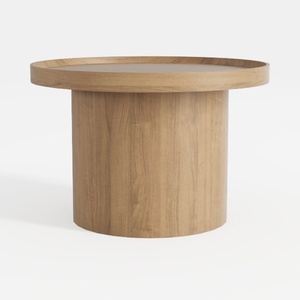
Minimalist Solid Oak Round Coffee Table 3D Model
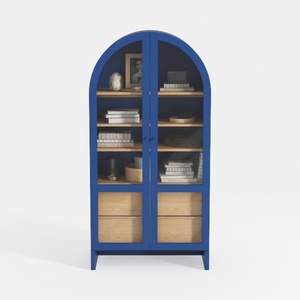
Arched Kitchen Pantry Cabinet with Glass Doors
Homestyler is your go-to online platform for creative home design. With its user-friendly design tool, stunning 3D renderings, and a wealth of inspiring DIY video tutorials, it empowers you to transform your living space effortlessly—unleash your inner designer today!
Concevez maintenant gratuitement
































