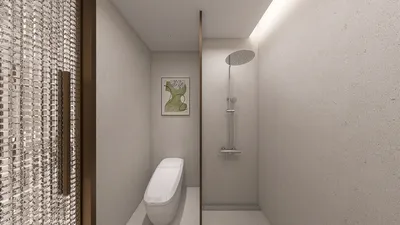


The subtle allure of glass in a living room is a feature I've always appreciated. It captures natural light beautifully, minimizes visual heaviness, and gives a lighter feel to technology setups. When glass is thoughtfully integrated into a TV cabinet—through doors, shelves, or accent panels—it transforms storage from merely functional to a sophisticated element within the room's overall aesthetic. In my designs, incorporating glass cabinetry enhances the sense of openness, especially in smaller living areas.
Effective storage solutions need to be visually appealing and promote comfort and functionality. Research from Steelcase indicates that clutter and chaotic visuals can diminish focus and satisfaction in multifunctional areas like living rooms, which are often used for watching media, working, and socializing. The WELL v2 framework emphasizes the importance of controlling glare and achieving balanced lighting to minimize eye strain—an essential aspect for those spending time in front of screens or utilizing reflective materials. For in-depth information on optimizing comfort and performance in interior spaces, WELL v2 is a trustworthy guide, especially for those looking to achieve WELL Certification.
Design Objectives: Lightness, Functionality, and Visual Equilibrium
My top priority is to maintain a visually light ambiance in the TV area. Utilizing glass doors or side panels reduces heaviness while allowing for a quick glance at stored items. I keep proportions straightforward: the cabinet height should ideally be between one-third to one-half of the wall height, with a width that supports the TV without overwhelming it. Transparency levels are adjusted too; fully clear glass encourages openness, while smoked or reeded glass adds a degree of sophistication and conceals cables.
Selecting the Appropriate Glass: Clear, Smoked, or Textured
Clear tempered glass is ideal for modern, bright spaces, enhancing daylight and creating sharp visual lines. Smoked glass complements darker woods and metal frames nicely, minimizing visual clutter within the cabinet. Textured glass, like reeded or fluted designs, can conceal devices and remotes while still reflecting ambient light. For safety, I choose tempered or laminated glass; tempered glass is significantly more durable than standard annealed glass and shatters into small, rounded pieces rather than sharp shards, making it a sensible choice for family environments.
Design Strategies for Both Small and Large Living Rooms
In smaller rooms, a low, wall-mounted glass-front cabinet helps maintain visibility of the floor, creating an airy feel. In larger areas, a combination of a base cabinet with glass doors and tall side units featuring reeded glass establishes a vertical rhythm without appearing overwhelming. If you're looking for assistance in testing clearances and access zones, tools like an interior layout planner can be extremely helpful, such as the room layout tool available through platforms like Homestyler.
Integrated Lighting: Reducing Glare, Embracing Warmth
Lighting is critical when it comes to glass cabinetry. I suggest using warm white LED strips (2700-3000K) inside shelves, combined with a dimmable task light near the TV to harmonize screen brightness. The Illuminating Engineering Society (IES) advises on managing contrast and luminance ratios to mitigate glare; diffuse lighting placed behind vertical surfaces within cabinets can help avoid bright spots on the glass. It's important to keep brightness levels subdued and indirect, steering clear of exposed LED diodes that face the viewer. Edge lighting can beautifully showcase collections without overpowering the room.
Cable Management and Airflow Considerations
Glass showcases more than wood, making cable management crucial. I include a rear cable channel equipped with removable panels and grommeted pass-throughs among compartments. For devices like streaming boxes and gaming consoles, strategic ventilation slots at the back and bottom ensure proper airflow. While smoked or textured doors can help conceal equipment, I still prefer to integrate perforated sections or mesh panels behind the glass to keep devices cool.
Impact of Color Psychology and Material Combinations
The color palette you choose sets the mood around transparent components. Cool neutrals alongside clear glass create a fresh and modern ambiance; warmer woods combined with smoked glass offer a more relaxing feel. Guidance on color psychology from VerywellMind consistently shows that blues promote calm, warm neutrals provide comfort, and vibrant hues can energize. Mixing glass with matte finishes—like oiled walnut, powder-coated steel, or boucle fabric—helps balance reflectivity. To soften bright spaces, consider adding muted rugs and soft textiles to dampen light and sound.
Safety, Durability, and Practicality in Everyday Use
In homes with children or pets, I select tempered glass doors equipped with soft-close hinges and profiles that are safe for fingers. The weight ratings for shelves are assessed according to the equipment they will hold; most audiovisual components weigh under 10–20 pounds, although amplifiers may be heavier, necessitating proper shelf thickness. Handles or touch-latch mechanisms should be easily reachable at common heights; ergonomics.org offers valuable insights on reach and grip dimensions that translate well into home cabinetry designs.
Acoustic Comfort Around Glass Elements
Since glass reflects sound, I address potential echo issues by incorporating various absorptive elements such as thick rugs, upholstered sofas, curtains, and acoustic wall art. Positioning speakers on decoupling pads within or next to the glass cabinet can reduce resonance. If the area feels too lively, think about using a textured wall behind the TV and complementary soft furnishings across from the cabinet to counteract reflections.
Zoning Storage: What to Display Behind Glass
Items that you don't mind displaying—such as books, curated décor, and vinyl sleeves—should go behind clear glass. Conversely, conceal remotes, controllers, and cables behind smoked or textured panels. Organizing small items using trays and labeling the interior sides of deep cabinets can help maintain a tidy appearance. Consistent shelf spacing (6-10 inches for books, 10-12 inches for mid-size decor) contributes to a clean sightline and minimizes micro-clutter.
Built-in vs. Freestanding: Choosing the Best Fit for Your Space
Freestanding glass cabinets offer flexibility and cater to renters. Built-ins provide a sophisticated, tailored appearance and seamlessly integrate wiring, ventilation, and lighting. I favor built-ins in spaces where walls can accommodate recesses or when the TV is a long-term fixture; freestanding options are ideal for changing households and open layouts.
Style Categories: Modern, Transitional, Minimalist
Modern design favors metal frames, clear tempered glass, slim profiles, and fluted LED accents. Transitional looks combine smoked glass with mid-tone woods, framed doors, and brass details. Minimalist aesthetics lean towards push-latch glass doors, handleless fronts, concealed cable raceways, and muted color palettes. Each style emphasizes restraint—too many reflections or finishes can make a space appear cluttered.
Maintenance Tips and Care Instructions
To maintain glass surfaces, employ a non-ammonia cleaner along with a microfiber cloth to prevent streaks. For finger smudges, an anti-static spray can be beneficial. Regularly check hinge tension and clean interior LED channels to prevent dust accumulation. Additionally, treat wood or metal components according to the manufacturer's instructions to ensure that finishes remain consistent with the glass’s sheen.
Cost Considerations and Value Assessment
Expenses vary based on glass type, thickness, hardware, and lighting. Tempered clear glass is generally more budget-friendly, while smoked or reeded glass incurs additional costs. Incorporating built-in lighting not only increases both value and cost but also enhances the overall experience. If budget constraints exist, focus on cable management, safety glass, and possibly a single accent panel instead of fully glazed fronts.
Planning Checklist
- TV dimensions and centerline height (typically 42-48 inches for seated eye level)
- Cable management routes and device ventilation
- Selection of glass type and door style (clear, smoked, reeded; framed or frameless)
- Lighting color temperature and dimming controls (2700-3000K adjustable)
- Zoning for visible versus concealed storage items
- Acoustic softening options: rugs, curtains, upholstered seating
- Achieving finish harmony with existing furnishings
Frequently Asked Questions
Q1: How can I avoid glare on glass cabinet doors?
A1: Utilize warm, indirect LED lighting inside the cabinet, and avoid overhead lights directed at the doors. Task lamps should be positioned to the side. Adhere to IES recommendations for managing brightness ratios to achieve a balance between ambient and task lighting near the TV.
Q2: Which is more suitable for a family living room: tempered or laminated glass?
A2: Tempered glass is usually preferred for shelves and doors due to its resistance to impacts and safer breakage patterns. Laminated glass provides an interlayer that keeps fragments intact, making it a good option for larger panels or situations requiring enhanced safety.
Q3: What height should the TV be positioned relative to the cabinet?
A3: The centerline of the TV should align near eye level when seated, generally around 42-48 inches, accounting for sofa height and viewing distance. Ensure that the cabinet is low enough to support the TV without obstructing views.
Q4: Which glass type conceals clutter the best while maintaining elegance?
A4: Reeded or lightly smoked glass effectively reduces visual noise while preserving a sophisticated appearance. It obscures cables and small devices better than clear glass, especially when soft lighting is used.
Q5: Will incorporating glass result in a noisier living room?
A5: Glass does reflect sound, but this can be countered with soft elements such as rugs, curtains, and upholstered seating, along with acoustic art. Decoupling speakers and adding felt pads can help mitigate resonance inside glass cabinets.
Q6: How can I discreetly manage cables in a glass cabinet?
A6: Incorporate a rear cable channel, utilize grommets between compartments, and bundle cords using fabric ties. Smoked or textured doors assist in camouflaging runs while ventilation slots help maintain cool temperatures for devices.
Q7: What color palette pairs effectively with glass cabinetry?
A7: Combining cool neutrals with clear glass creates a fresh and modern look; warmer woods and smoked glass contribute to a more relaxed atmosphere. Employing matte finishes will balance reflectivity and add depth to your design.
Q8: Are built-in cabinets more worthwhile compared to freestanding ones?
A8: Built-ins offer the advantage of integrated wiring, ventilation, and lighting for a cohesive design. Freestanding units provide flexibility for layout changes or relocations. Select based on how permanent your setup will be and the extent of renovations planned.
Q9: Can I install lighting in a glass cabinet without visible strips?
A9: Absolutely—diffused LED channels can be placed behind the frames or under shelves, and frosted lenses can obscure direct light. Keeping brightness gentle and aiming light away from the viewer achieves a pleasing effect.
Q10: How do I clean glass surfaces to avoid streaks and haze?
A10: Use non-ammonia cleaners with microfiber cloths, applying vertical strokes, and finishing with a dry polish. Regularly clean hinges and LED channels to prevent dust build-up that can affect lighting.
Q11: What shelf thickness should I consider for audiovisual equipment?
A11: For standard components (typically 10-20 pounds), shelves made of tempered glass with suitable thickness (usually 8-10 mm) are reliable. Increase thickness for heavier amplifiers and verify recommended load limits from manufacturers.
Q12: How can I plan for future technological upgrades in my cabinet?
A12: Leave spare conduits and include adjustable shelving, ensuring modular cable access. Opt for door hardware and lighting solutions that can be maintained without disassembling the cabinet.
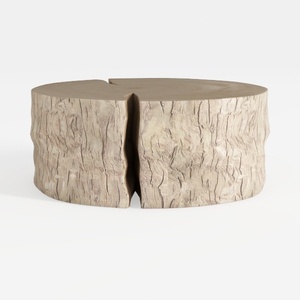
Rustic Solid Wood Split Log Coffee Table 3D Model
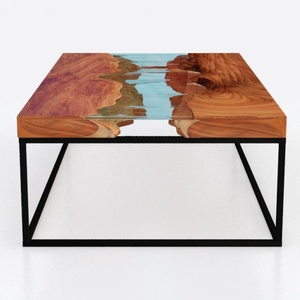
Modern Solid Wood Epoxy Resin Square Coffee Table 3D Model
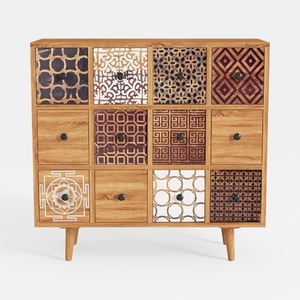
Bohemian Solid Wood Multidrawer Accent Cabinet With Patterned Fronts 3D Model
Looking to transform your home design ideas into reality? Homestyler is your go-to platform! With its user-friendly online design tool, stunning 3D renderings, inspiring design projects, and helpful DIY video tutorials, you’ll effortlessly create the perfect space, whether you're a beginner or a seasoned pro.
Design Now for FREE
































