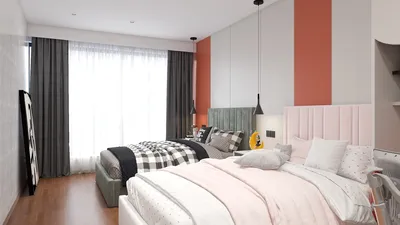


Organizing your hostel room from day one can significantly affect your well-being. Sleep quality, concentration, and daily routines are influenced by how well you plan your living space. In academic environments, proper lighting is crucial; according to the IES, a range of 300–500 lux is ideal for reading and studying, minimizing eye strain and perfectly suited for most hostel-related activities. Moreover, the WELL Building Standard emphasizes the importance of acoustic comfort and circadian lighting, indicating that thoughtful decisions regarding room features can enhance both study endurance and sleep health.
Effective study habits are also enhanced by well-defined areas within your room. Research from Steelcase shows that distinct zones with clear functions help reduce cognitive overload, allowing students to transition smoothly between studying, resting, and socializing. Based on my experience with compact room designs, creating a dedicated study area (complete with task lighting, an ergonomic chair, and vertical storage) alongside a restful zone (featuring warm, low lighting and soft decor) proves beneficial for maintaining focus and healthy sleep patterns, without requiring a larger space.
Types of Hostel Rooms: What to Anticipate
Hostels usually offer single rooms and shared doubles, occasionally accommodating triples during peak periods. Commonly included features are a single bed with a mattress, a study desk and chair, a personal wardrobe, an overhead fan, task outlets by the desk, and window ventilation. Bathroom arrangements differ by building; some floors include shared amenities, while newer sections may have semi-private bathrooms. Regarding storage, expect modest wardrobes and limited under-bed space, making effective vertical storage solutions vital.
Strategic Space Planning: Maximizing Your Compact Room
In smaller rooms, layout becomes a vital consideration. Place your desk near a window to take advantage of natural light for studying, and avoid placing your bed directly in line with the door to maintain privacy and reduce distractions. Aim for an efficient one-wall setup—place your desk, wardrobe, and open shelves along one wall to optimize space and keep pathways unobstructed. For roommates, mirrored zones with parallel desk setups can ensure equal access to light and power. If you wish to experiment with potential layouts before moving furniture, a tool like Homestyler can assist in visualizing arrangements and storage options.
Lighting: Ready for Study and Sleep-Friendly
Layer your lighting thoughtfully: utilize an adjustable task lamp set to 4000–5000K during study sessions, complemented by ambient lighting around 2700–3000K for relaxation. Ensure that your desk receives between 300 and 500 lux while minimizing glare from direct LED lights. A useful feature is a clip-on lamp with a pivoting head that can redirect light off the wall for a gentler illumination experience. For early risers or night owls, a low-lumen warm lamp is essential in maintaining a healthy circadian rhythm. If your room has exposure to bright outside lights, light-blocking curtains can facilitate melatonin production and ensure quality sleep.
Ergonomics: Safeguard Your Body
Elevate your laptop by 10-15 cm with a stand, ensuring the top of the screen is at or slightly below eye level, and employ an external keyboard and mouse to promote better posture. Your chair height should enable a knee angle of 90–100° with your feet firmly on the floor; using a footrest can help maintain comfort for shorter individuals. Rest your forearms lightly on the desk while keeping a neutral wrist position. Remember to stand up and adjust your posture every 30 to 40 minutes; these minor adjustments can greatly diminish neck strain over the semester.
Acoustic Comfort: Enhancing Focus
Hostel corridors tend to be bustling. To decrease noise interference, install a draft stopper at the base of your door. Incorporate soft materials like rugs, curtains, and fabric boards to absorb sound and reduce echo. For intensive study sessions, consider over-ear headphones that provide passive noise cancellation, as some students find active noise cancellation can be tiring. Set quiet hours with your roommates and establish a communication signal (like a colored lamp or door sign) during exam periods.
Color Psychology in Small Spaces
Choose calming base colors such as off-white or warm gray for your linens, complemented by a single accent color. Softer hues like light blue or green can promote tranquility and sustained focus, whereas vibrant reds or oranges make effective energetic accents when used sparingly. A thoughtfully chosen color zone—like a muted green pinboard above your desk—can help direct attention where it’s needed most.
Storage Strategies for Limited Areas
Utilize vertical space: stacks of crates above wardrobes, adhesive hooks for bags and cables, and over-the-door organizers for toiletries or stationery can all maximize storage potential. Use drawer dividers to categorize essentials (like technology, stationery, snacks, and toiletries) effectively, minimizing search time. In shared rooms, consider color-coded bins to avoid mix-ups, and maintain a designated 'reset shelf' near the entrance for keys, IDs, and chargers to streamline your mornings.
Optimizing Daily Life: Zoning and Routines
Establish three distinct zones: study (desk and task lamp), rest (bed and warm light), and prep (entry and storage). Keep snacks and drinks nearby in the study zone to alleviate trips to the corridor during intense work sessions. Transition to warm lighting 60-90 minutes before bedtime and position your devices beyond arm's reach while they charge. Collaborate with roommates to set a weekend cleaning schedule; maintaining hygiene is crucial, especially for allergy-sensitive students, and can improve sleep quality.
Moving In Checklist
- An adjustable task lamp (neutral white)
- An extension power strip with surge protection
- Laptop stand along with keyboard and mouse
- A couple of sets of bedding (for washing rotation)
- A small toolkit (including tape measure, scissors, duct tape)
- Laundry bag and drying clips
- Basic first-aid supplies and essential medications
- A reusable water bottle and a compact kettle (if permissible)
- Door draft stopper and a small rug
Shared Spaces Etiquette
To ensure smooth operation in communal areas like kitchens, laundry rooms, and study lounges, establishing simple protocols such as labeling food, managing laundry timings, and cleaning up afterward is helpful. Creating a shared calendar on a whiteboard for important deadlines (like exams and club activities) can mitigate crowding. When inviting friends over, communicate with neighbors in advance; good manners are vital in close living conditions.
Wellbeing: The Importance of Sleep, Light, and Breaks
Maintain consistent sleep and wake patterns, even amidst project deadlines; irregular schedules can negatively impact memory and mood. Exposure to morning daylight for 10–15 minutes at your window can help regulate your body’s internal clock. Brief midday breaks, such as stretching or taking light walks, rejuvenate focus more effectively than prolonged late-night study sessions.
Essential Standards and Research Background
For those curious about the rationale behind these recommendations, the IES lighting guidelines back the 300-500 lux desk standard, while WELL Building Standard v2 connects suitable light spectra and minimized glare at night with enhanced circadian synchronization and recovery. Detailed lighting standards can be explored at ies.org/standards, whereas health-focused construction methods are available at v2.wellcertified.com.
FAQ
Position an adjustable task light at 4000–5000K opposite to your writing hand to avoid shadows, aiming for 300–500 lux on your workspace. Complement this with a low, warm ambient lamp to balance the room's contrast.
To create equal conditions: arrange two desks along one wall with synchronized power access and independent shelving above each workstation. Implement color-coded storage and a shared calendar to manage cleaning and quiet times.
Before bed, switch to warm lighting 60-90 minutes in advance, block out external light with curtains, keep devices out of reach as you charge them, and ensure regular wake times. Employ a soft rug and draft stopper to minimize hallway noise.
Absolutely. Elevating your monitor to eye level helps to alleviate neck strain and shoulder discomfort. Pairing it with an external keyboard and mouse promotes a neutral wrist position.
Combine environmental adjustments (like rugs, curtains, and door seals) with behavioral strategies; set quiet hours, utilize passive over-ear headphones, and prefer studying in a quieter lounge for extensive reading periods.
Maintain a calm color palette (like off-white and warm gray) with cooler accents in the study area, using brighter colors sparingly to prevent visual overload.
Indeed. Consider using a straightforward interior layout planner to experiment with desk placements, such as by window versus wall configurations, and evaluate walking space and storage accessibility: utilize room design tools.
For task lighting, employ a quality 7-10W LED lamp (neutral white), positioning it approximately 30-40 cm from your work surface. If text appears washed out or shadowy, adjust the lamp’s position or increase its brightness.
Establish a straightforward time slot during peak usage hours, maintain a labeled caddy for toiletries, and store quick-dry towels nearby. Rotate cleaning duties and keep spare soap and cleaning supplies handy to avoid last-minute efforts.
Encourage cross-ventilation by slightly opening the door when feasible, use breathable fabrics for bedding, refrain from putting electronics on your bed, and close curtains to limit heat accumulation from sunlight exposure.
Position your desk perpendicular to the window, employ a light-filtering shade to soften harsh sunlight, and angle your display to diminish reflections while still benefiting from natural daylight.
Discover the ease of home design with Homestyler! This user-friendly platform offers an intuitive online design tool, stunning 3D renderings, and a wealth of DIY video tutorials. Whether you're a beginner or seasoned designer, you can effortlessly create and visualize your dream space. Start your design journey today!
Progetta ora GRATIS
































