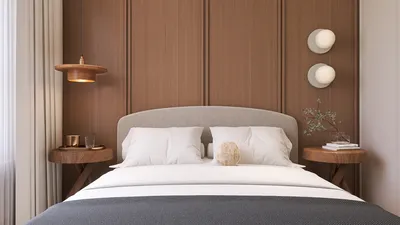


When it comes to setting the mood as soon as someone enters a space, a hallway plays a crucial role. The appropriate wallpaper can achieve this effect instantly, influencing light, dimensions, and movement in ways that paint often cannot. In my designs, I prefer patterns that alter the perception of width, height, and depth, which I then balance with lighting and acoustic elements to ensure the area feels well-organized instead of chaotic. Making thoughtful choices in this regard yields quick results—particularly in slim entryways or extended corridors.
Design choices need to be based on solid principles. Research from Steelcase indicates that visual complexity and the rhythm of patterns affect cognitive load, potentially increasing stress and complicating navigation in transitional areas like corridors. Similarly, the WELL v2 initiative emphasizes the importance of glare control and uniform light levels in circulation zones, advising a careful relationship between reflective surfaces and light sources. Following these guidelines helps prevent wallpaper from becoming a visual or lighting burden, allowing the hallway to function as a tranquil, comprehensible threshold rather than just an additional decorative element.
Understanding Scale: Evaluating Proportions in Your Hallway
Every hallway essentially communicates a ratio: height, width, and length. In narrow spaces, vertical striped wallpapers can create an illusion of a higher ceiling, but it's advisable to keep stripe widths less than 2 inches to avoid unwanted strobing effects from overhead lights. For low ceilings, using a soft ombré design that transitions from darker at the chair-rail height to lighter near the ceiling enhances verticality without the rigidity of stripes. For longer halls, a subtle large-scale pattern introduces rhythm and variety, breaking the monotony of a 'runway' feel.
Light, Reflectivity, and Pattern Visibility
The effectiveness of a pattern heavily relies on the lighting used to showcase it. The Illuminating Engineering Society suggests that for circulation areas, a target illuminance of 50–100 lux is suitable for safe navigation, with brighter localized lighting at feature walls. Balancing this with matte or low-sheen wallpaper eliminates glare issues near sconces or shiny trims. For cozy environments, aim for a color temperature of 2700–3000K in residential hallways; cooler 3500K can create a sharp look, but may dull warm-toned wallpapers. Layered lighting is also important: consider using wall grazers to highlight textures, sconces positioned at eye level for vertical illumination, and a soft ambient light for comfortable contrast ratios.
The Psychology of Patterns: Calmness, Energy, or Direction
Color and pattern significantly influence emotional responses. Muted greens and blues often evoke a sense of tranquility, while gentle geometric patterns lend clarity and order. Research in color psychology indicates that shades of blue and green frequently reduce perceived stress, making them ideal for transitional spaces that separate outdoors from living areas. If your hallway needs to spark energy—perhaps adjacent to a creative workspace—bright yellows or terracotta-inspired micro-patterns can introduce warmth without overwhelming. It's advisable to steer clear of high-contrast micro-patterns under focused lighting, as they can cause eye fatigue.
The Importance of Texture: Acoustic and Tactile Comfort
Halls with hard finishes can amplify echoes. Textured grasscloths, cork-backed wallpapers, and fabric-backed vinyls help to slightly absorb sound while also providing depth. In homes with children or pets, durable, washable vinyl featuring a woven texture adds tactile richness and is easy to clean. For sustainable options, seek low-VOC adhesives and wall coverings made from recycled materials, confirming wipeability ratings, especially if your hall leads to a kitchen or mudroom.
Feature Wall vs. Full Wrap
Incorporating a feature wall at the stairway or at the end of a hallway creates a visual focal point, especially useful for elongated layouts. A full wallpaper wrap envelops the space and can unify uneven spots. My guideline: if the hallway has multiple doorways, opt for a full wrap to prevent pattern dead-ends; if there's a single focal area (like a stair return), a feature wall can effectively concentrate your budget and enhance architectural details.
Stripes, Geometrical Designs, and Botanicals: Appropriate Applications
- Vertical stripes: ideal for elevating low ceilings; use gentle contrasts to prevent a ‘barcode’ appearance.
- Horizontal stripes: serve to widen slim hallways; best utilized with subtle color transitions.
- Geometric patterns: introduce structure and should be medium in scale to avoid flickering under bright lights.
- Botanical motifs: soften rigid lines; choose simplified shapes for compact halls to reduce visual overload.
- Textural plains: the designer's discreet advantage—rich, understated, and timeless under any lighting.
Color Strategy for the Seamless Transition from Entry to Living Area
Hallways are interconnected spaces. I choose a wallpaper base color that complements the hue of adjacent living room walls or rugs, slightly adjusting the saturation to indicate a transition. If the living area is serene and cool-toned, the hallway can be warmer by a notch, making it more inviting. Metallic inks can reflect light in darker entries, but should be used sparingly and positioned away from direct light sources to avoid glare.
Managing Seams, Corners, and Doors
Proper seam alignment is crucial for patterned wallpaper installations. Center the pattern on the longest uninterrupted wall and let adjustments occur at door casings. When wrapping around outside corners, extend at least 1 inch to prevent edges from lifting. Should your hallway contain numerous doors, consider using a small-scale, forgiving pattern or plain textures to minimize visual disruption from seams against trim.
Hallway Stairs: Treads, Risers, and Visual Continuity
When wallpaper meets the stairs, the riser lines interact with pattern repeats. Align motifs like botanical stems or geometric shapes with the sightline from the bottom step. For grand staircases, pair a subtle textured wallpaper with sculptural lighting; for simpler stairs, a refined stripe can add architectural flair.
Integrating Lighting: Sconces, Grazers, and Natural Light
Wallpaper with light embossing or textured grasscloth flourishes under wall grazers, but it's essential to test samples; too much texture with direct grazing light can highlight imperfections. Sconces positioned at 60–66 inches above ground level prevent glare issues for seated sightlines if the hall connects to a living area. If daylight spills in from a transom, select lightfast inks and verify the wallpaper's UV stability rating to avoid fading.
Planning Your Layout Before Ordering
Identify the locations of switch plates, thermostats, and return vents on your elevations, and arrange the pattern so that prominent motifs don’t clash with hardware. For narrow spaces, I recommend temporarily mocking up the motif scale on the wall with painter's tape before making a purchase to confirm rhythm and sightlines from both ends. If contemplating furniture arrangements or sightline corridors to the living space simultaneously, an interior layout planner can assist in visualizing the overall flow alongside your wallpaper choices—like a room layout tool such as Homestyler.
Installation: Preparation and Performance
Quality wallpaper won't look good on poorly prepared walls. Ensure to skim-coat, sand, and apply a wallpaper-specific primer. In older houses, I recommend avoiding heavy embossed patterns on unstable plaster walls; lighter nonwoven materials are a better choice. Always check that lot numbers match for consistency. Pre-trimmed vinyls can save installation time, while natural grasscloths may require paneling and acknowledge color variations—embrace these as part of the design.
Small Hall, Big Impact: My Favorite Combinations
- Narrow, low-ceiling spaces: soft vertical pinstripes in warm gray-beige, with a matte finish and 3000K sconces paired with low-sheen trim.
- Long corridors: medium-scale geometric patterns with expanded spacing, complemented by a feature wall at the end and a subtle stripe runner for directional alignment.
- Dark entryways: textural plains featuring a pearlescent finish (not glossy), layered with a glass-shaded pendant to diffuse hotspots.
Maintenance and Longevity
Residential halls endure wear from bags and hands. Opt for scrub-rated vinyl or high-durability nonwovens over 20 oz/yd² in high-traffic areas, and ensure sealed edges in kid-friendly zones. Keep touch-up rolls stored flat and away from heat for any future repairs. Clean thoroughly with a damp microfiber cloth and pH-neutral soap, and steer clear of harsh abrasives that might damage matte inks.
Budget Considerations and Value
Investing in wallpaper offers a high return on investment when addressing proportion and lighting in a single application. Budget your resources first for wall preparation and lighting (which enhances the overall quality), followed by the wallpaper itself. A moderately priced textural vinyl in adequate light conditions will exceed the performance of a high-end pattern under poor lighting every time.
- Steelcase's investigations into visual complexity’s impact on cognitive load in transitional spaces assist me in choosing soothing patterns for entries (steelcase.com/research).
- The WELL v2 Light concept clarifies glare control essentials and illuminance levels, directing finish sheen and sconces placements (v2.wellcertified.com).
Frequently Asked Questions
Q1. What wallpaper scale is optimal for a narrow hallway?
A1. Medium to small-scale patterns (3–8 inch repeats) work well to maintain legibility at close distances without causing visual disruptions. Gentle contrasts paired with vertical motifs can also elongate the space.
Q2. How do I synchronize wallpaper with my living room’s color palette?
A2. Choose the base color from a textile or wall in the living room, adjusting saturation or value by one step. This method maintains cohesiveness while indicating a transition. Metallic details should align with existing metal finishes for continuity.
Q3. Can textured wallpaper contribute to noise reduction?
A3. Yes, but only to a minor extent. Grasscloth and fabric-backed vinyls offer minimal sound absorption but can soften reflective noise. For substantial acoustic improvements, consider adding rugs, soft furnishings, and upholstered benches.
Q4. What lighting temperature best suits most wall coverings?
A4. For residential hallways, temperatures between 2700–3000K help retain warmth in textiles and natural fibers. If your wallpaper features cooler shades or grays, using 3000–3500K keeps it bright without appearing clinical.
Q5. How can I minimize the visibility of seams in wallpaper?
A5. Opt for patterns boasting gentle transitions or textures, positioning seams at less visible areas near casings, ensuring your walls are impeccably smooth. Matte finishes and consistent vertical illumination can help reduce seam shadows.
Q6. Is a feature wall or full wallpaper wrap more beneficial for resale?
A6. Full wraps offer an intentional feel and can elevate perceived quality in compact residences, while a well-placed feature wall provides flexibility for future owners. Regardless, impeccable installation is crucial.
Q7. Are there wallpaper options friendly for kids and pets?
A7. Certainly—scrubbable vinyls and highly durable nonwovens resist marks and are easy to clean. Look for low-VOC inks and adhesives while steering clear of delicate natural fibers in high-contact spaces.
Q8. Is wallpaper feasible in hallways with uneven walls?
A8. Yes, but preparation is vital. Skim coat and prime the walls beforehand, and avoid high-contrast geometric patterns that highlight irregularities; instead, opt for textured plains or organic designs that camouflage minor flaws.
Q9. What precautions should I take against glare on shiny wallpapers?
A9. Choose matte or satin finishes, direct sconces towards diffused shades, and maintain shallow beam angles. Position brightly lit task lighting perpendicular to walls to minimize reflections.
Q10. What is the ideal height for sconces in hallways?
A10. Generally, sconces should be placed 60–66 inches above the finished floor to keep glare out of most sightlines, ensuring even vertical light distribution while aiding navigation and enhancing pattern visibility.
Q11. How do I determine the number of wallpaper rolls to order?
A11. Measure the width and height of walls, factor in pattern repeats, and add an additional 10–15% for cuts and any future repairs. Always confirm roll lengths and types from the manufacturer to avoid mismatches.
Q12. Will stripes visually alter the dimensions of my hallway?
A12. Yes! Vertical stripes enhance height perception, while horizontal stripes can visually expand a narrow hallway. Use subtle contrasts and ensure stripe widths are proportionate to wall height to prevent distortion.


Looking to transform your space with ease? Homestyler offers a user-friendly online design tool, stunning 3D renderings, and a wealth of DIY video tutorials. It's perfect for anyone wanting to unleash their creativity in home design, no matter their experience level!
تصميم الآن مجانا
































